NL
NL ES
ES PL
PL TR
TR


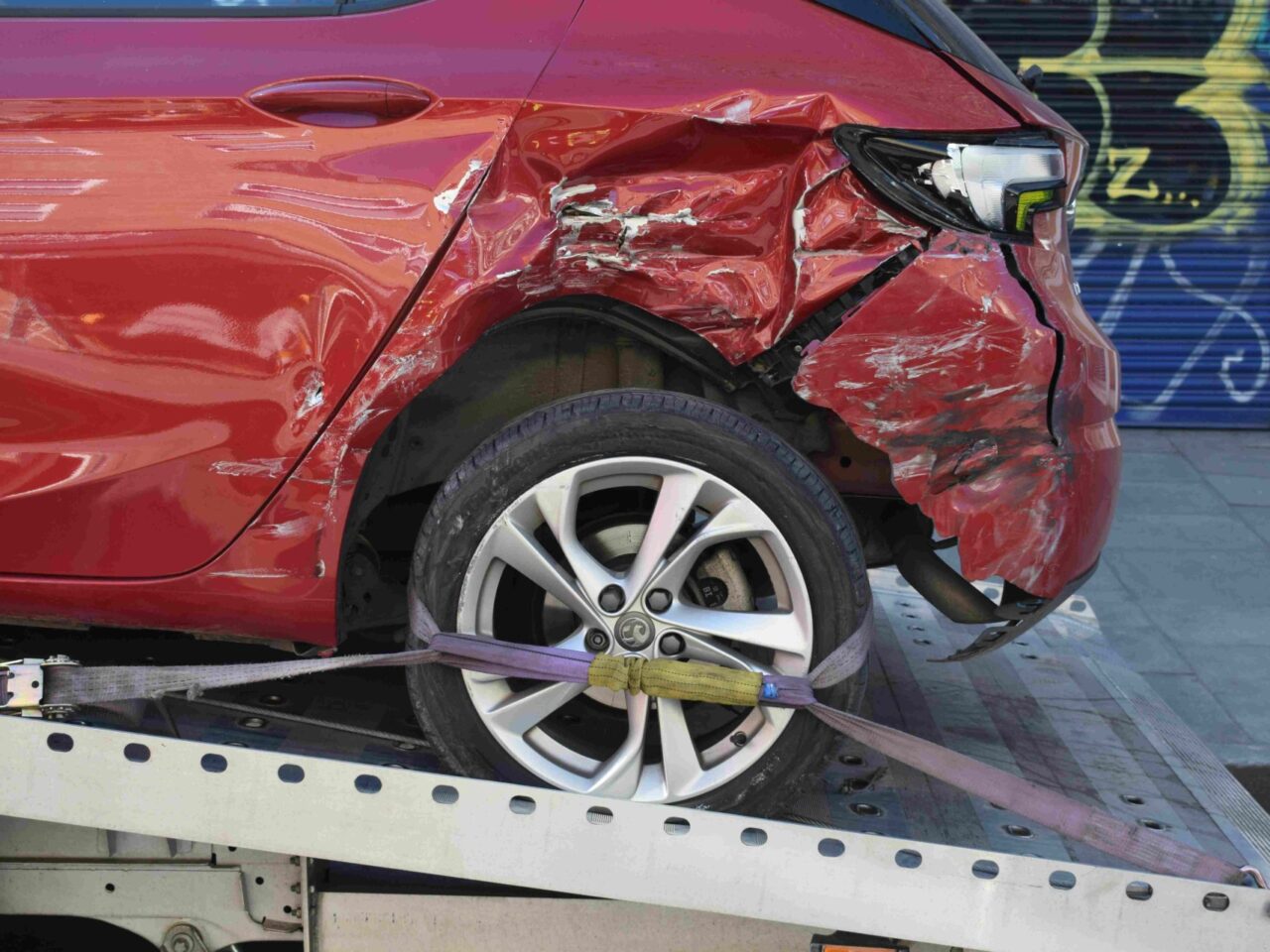
عند وقوع حادث تصادم، يكون السؤال الأول: من المخطئ؟ في حالة الاصطدام من الخلف، يكون سائق السيارة الخلفية هو المخطئ عادةً. ومع ذلك، توجد بعض الحالات التي قد تُعتبر فيها أنت، بصفتك سائق السيارة الأمامية، مسؤولًا عن الحادث. على سبيل المثال، إذا اضطررت فجأة إلى الفرملة بقوة عند إشارة مرور أو لافتة مرورية أو كاميرا مراقبة السرعة أو بسبب حيوان يعبر الطريق. وقد يختلف الأمر أيضًا إذا اصطدمت سيارة بسيارتك من الخلف أثناء تغيير المسار أو التجاوز. في هذا المقال، نوضح بالتفصيل من يكون المخطئ في حادث اصطدام من الخلف بين سيارتين.
في هذا المقال ستقرأ عن:
- السيارة الخلفية هي المخطئة من حيث المبدأ
- سائق السيارة الخلفية ليس مخطئًا دائمًا
- الفرملة دون وجود ضرورة مرورية
- الخلاصة
السيارة الخلفية هي المخطئة من حيث المبدأ
وفقًا للقانون، يجب أن يكون السائق قادرًا على إيقاف سيارته ضمن المسافة التي يمكنه رؤية الطريق فيها بوضوح والتي تكون خالية أمامه. وهذا يعني أن السيارة التي تسير خلفك يجب أن تترك مسافة كافية للتوقف دون الاصطدام بك. لذلك، من حيث المبدأ، يكون سائق السيارة الخلفية التي تصطدم بسيارتك هو المخطئ. وبالتالي، يكون مسؤولًا أيضًا عن تعويض الإصابة الشخصية التي تعرضت لها.
سائق السيارة الخلفية ليس مخطئًا دائمًا
هناك بعض الحالات التي قد تُعتبر فيها أنت، بصفتك سائق السيارة الأمامية، مخطئًا.
عند الفرملة المفاجئة والقوية دون وجود حالة طارئة
على سبيل المثال، الفرملة بقوة قبل لافتة مرورية مباشرة، أو عند إشارة مرور خضراء، أو عند إشارة تتحول إلى اللون الأصفر بينما لا تزال بعيدًا عنها. وتُعتبر هذه الحالات جميعها فرملة قوية دون وجود حالة طارئة. كما قد تُعتبر مخطئًا إذا فرملت فجأة وبقوة أمام كاميرا مراقبة السرعة.
عند الفرملة بسبب «الحيوانات الصغيرة»
إذا فرملت فجأة وبقوة بسبب قطة أو بطة تعبر الطريق ولم تعد السيارة خلفك قادرة على تفاديك، فقد تتحمل المسؤولية. فلا يجوز لك الفرملة المفاجئة إلا إذا كانت هناك حالة طارئة في حركة المرور، مثل وجود خطر إصابة لك أو لشخص آخر إذا لم تفرمل. ولا ينطبق ذلك عادةً على الحيوانات الصغيرة (الأصغر من الكلب). لكن هذا لا ينطبق على مجموعة من الإوز أو البجع، إذ قد تكون هناك في هذه الحالة ضرورة مرورية تستدعي الفرملة.
عند تغيير المسار أو التجاوز
إذا غيرت مسارك أو قمت بالتجاوز واصطدمت بك المركبة التي خلفك، فقد يتم تحميلك المسؤولية عن الأضرار. فقد يدعي السائق الخلفي أنك قطعت عليه الطريق من خلال الانتقال مباشرة أمامه ثم الفرملة بشكل مفاجئ.
ملاحظة: حتى في هذه الحالات، يجب على المركبة التي تسير خلفك الحفاظ على مسافة أمان كافية. وإذا لم يحافظ السائق الخلفي على مسافة كافية، فقد يظل هو المخطئ في حادث الاصطدام من الخلف.
هل لديك سؤال قانوني حول حادث اصطدام من الخلف؟ أرسل سؤالك إلى فريقنا القانوني عبر نموذج الاتصال. سنتصل بك في يوم العمل نفسه.
الفرملة دون وجود ضرورة مرورية
عند الفرملة دون وجود ضرورة مرورية، مثل الفرملة بسبب عبور حيوان، يمكن للسيارة التي تصطدم بالسيارة الأمامية من الخلف أن تطالب سائق السيارة التي فرملت فجأة بتعويض الأضرار التي لحقت بها. انظر أيضًا مقالنا: الاصطدام من الخلف بسبب الفرملة المفاجئة والقوية.
الخلاصة
وفقًا للقانون، يكون سائق السيارة الخلفية التي تصطدم بالجزء الخلفي من سيارتك هو المخطئ في معظم الحالات. ومع ذلك، توجد استثناءات، مثل الحالات التي تقطع فيها الطريق على المركبة خلفك أثناء تغيير المسار أو التجاوز. كما قد تُعتبر مسؤولًا عن حادث اصطدام من الخلف إذا فرملت فجأة وبقوة دون وجود ضرورة مرورية. على سبيل المثال، عندما تضغط بشكل مفاجئ على المكابح عند إشارة مرور خضراء أو كاميرا مراقبة السرعة أو لافتة مرورية أو بسبب حيوان يعبر الطريق. ومع ذلك، يجب على السائق الذي يسير خلفك الحفاظ على مسافة أمان كافية حتى في هذه الحالات. فإذا لم يحافظ على مسافة كافية، فإنه يظل مخطئًا في حادث الاصطدام من الخلف.

هل تريد مشاركة هذا المقال؟