 NL
NL ES
ES PL
PL TR
TR


 By:
By: 
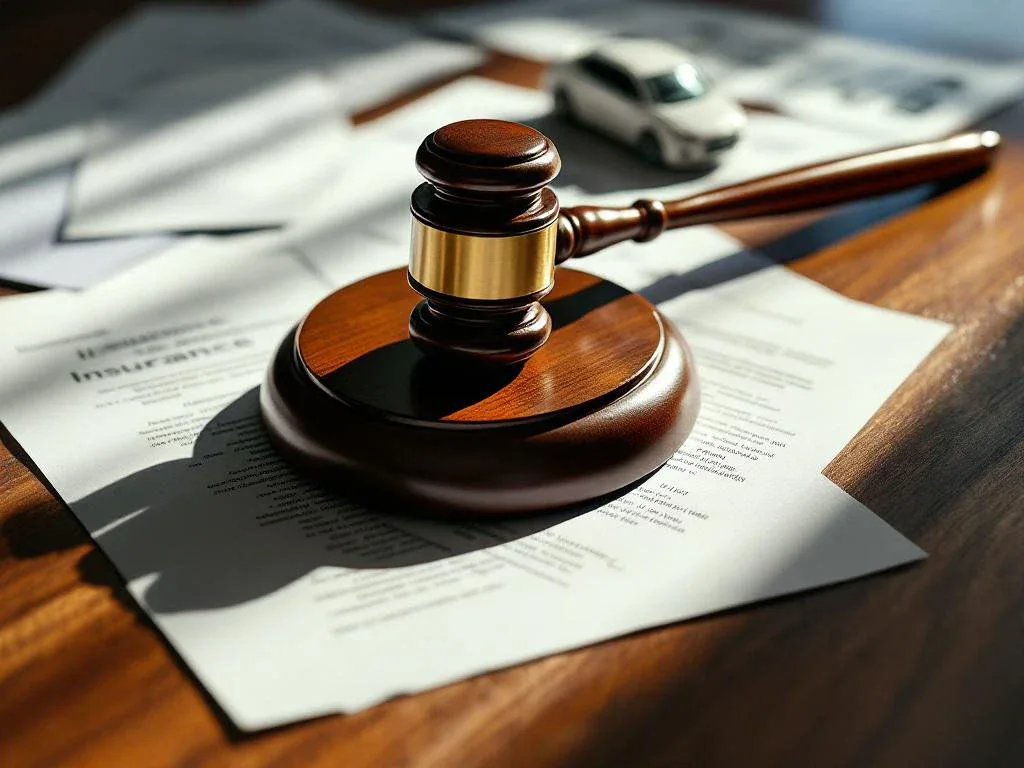
Legal liability in a car accident refers to the legal responsibility one party bears for causing damage or injuries to another party. It establishes who must compensate victims for their losses, including medical expenses, property damage, and other costs. Understanding liability is crucial for determining fault and securing appropriate compensation after a car accident.
What does legal liability mean in car accident cases?
Legal liability in car accident cases means the legal obligation to compensate others for damage caused by your negligent or wrongful actions. It differs from moral responsibility, as it requires meeting specific legal standards and criteria established by traffic laws and civil liability principles.
Legal liability centres on the concept of negligence, which occurs when a driver fails to exercise the reasonable care that a prudent person would use in similar circumstances. This includes following traffic rules, maintaining proper vehicle control, and being aware of road conditions. When this duty of care is breached and results in an accident, legal liability is established.
The distinction between legal and moral responsibility matters significantly for compensation claims. While someone might feel morally responsible for an accident, legal liability requires proving specific elements: duty of care, breach of that duty, causation, and resulting damage. Courts focus on these objective legal standards rather than subjective feelings of guilt or responsibility.
How do courts determine who is at fault in a car accident?
Courts determine fault by examining evidence, including police reports, witness statements, traffic law violations, vehicle damage patterns, and expert testimony. They assess whether each party met their legal duty of care and identify which actions directly caused the accident.
The legal process begins with gathering comprehensive evidence from the accident scene. Police reports provide official documentation of the incident, including officer observations, traffic citations issued, and preliminary fault assessments. However, these reports are not conclusive, and courts conduct independent evaluations.
Key evidence types include:
- Witness testimony from independent observers
- Physical evidence such as skid marks, vehicle damage, and debris patterns
- Traffic camera footage or dashcam recordings
- Mobile phone records to check for distracted driving
- Vehicle maintenance records and mechanical inspections
Courts also consider traffic law violations as strong indicators of fault. Speeding, running red lights, failing to yield, or driving under the influence typically establish clear liability. Expert witnesses may reconstruct the accident to determine vehicle speeds, impact angles, and the sequence of events.
What factors can affect liability determination in traffic accidents?
Multiple factors influence liability determination, including weather conditions, road defects, vehicle malfunctions, driver behaviour, and contributory negligence by other parties. Courts examine all circumstances that may have contributed to the accident.
Environmental factors play a crucial role in liability assessment. Poor weather conditions such as rain, snow, or fog do not automatically excuse drivers from liability, but they may reduce the degree of fault if proper precautions were taken. Similarly, road defects such as potholes or inadequate signage might shift some liability to government authorities responsible for road maintenance.
The following comparison shows common liability factors:
| Factor Category | Examples | Impact on Liability |
|---|---|---|
| Driver Behaviour | Speeding, texting, impairment | Increases fault percentage |
| Vehicle Condition | Brake failure, tyre blowout | May reduce driver liability |
| Road Conditions | Construction zones, poor lighting | Can shift partial liability |
| Weather | Rain, ice, visibility issues | Mitigating factor if driving is adjusted |
Vehicle defects can significantly impact liability determination. If mechanical failure caused the accident, liability might shift from the driver to the vehicle manufacturer or maintenance provider. However, drivers remain responsible for regular vehicle maintenance and addressing known defects.
Can liability be shared between multiple parties in a car accident?
Yes, liability can be shared between multiple parties through comparative negligence principles, where each party’s fault is assessed as a percentage of the total responsibility. This allows courts to allocate damages proportionally based on each party’s contribution to the accident.
Comparative negligence recognises that accidents often result from multiple contributing factors. Under this system, each party’s actions are evaluated independently, and fault is assigned as percentages totalling 100%. For example, one driver might bear 70% responsibility for speeding, while another bears 30% for failing to signal properly.
The percentage allocation directly affects compensation amounts. If total damages equal £10,000 and you are found 30% at fault, your compensation would be reduced by £3,000. This system ensures a fair distribution of financial responsibility based on actual contribution to the accident.
Multiple parties beyond drivers can share liability, including vehicle manufacturers for defective parts, government entities for poor road maintenance, or employers for inadequately trained commercial drivers. Each potentially liable party’s insurance coverage and legal responsibility are evaluated separately.
Understanding liability principles helps accident victims protect their rights and pursue appropriate compensation. Professional legal guidance ensures proper evaluation of all liable parties and maximises recovery potential. For comprehensive assistance with car accident claims, our team can help you calculate your damages and navigate the complex liability determination process.
Frequently Asked Questions
What should I do immediately after a car accident to protect my liability position?
Document everything at the scene by taking photos of vehicle damage, road conditions, and traffic signs. Collect contact information from witnesses and other drivers, but avoid admitting fault or discussing liability details. Contact police to file an official report, even for minor accidents, as this creates crucial evidence for liability determination.
How long do I have to file a claim after determining liability in a car accident?
Time limits for filing claims vary by jurisdiction, but typically range from one to three years from the accident date. However, it’s advisable to start the claims process immediately after liability is established, as evidence deteriorates over time and insurance companies may impose their own shorter deadlines for reporting accidents.
Can my insurance premiums increase even if I'm found not liable for an accident?
Generally, insurance premiums should not increase if you are determined to be 0% at fault for an accident. However, some insurers may still raise rates based on your claims history or risk assessment. Review your policy terms and consider switching insurers if you face unfair premium increases after a non-fault accident.
What happens if the other driver doesn't have insurance but is found liable?
If an uninsured driver is found liable, you can pursue compensation through your own uninsured motorist coverage if available. Alternatively, you may need to file a lawsuit directly against the liable driver, though collecting damages can be challenging if they lack sufficient assets to cover your losses.
How does partial liability affect my compensation if I'm injured in an accident?
Under comparative negligence rules, your compensation is reduced by your percentage of fault. For example, if you’re 20% liable for a £50,000 claim, you’ll receive £40,000. However, some jurisdictions have modified comparative negligence rules that may bar recovery if your fault exceeds 50% or 51%.
Would you like to share this article?

