 NL
NL ES
ES PL
PL TR
TR


 By:
By: 
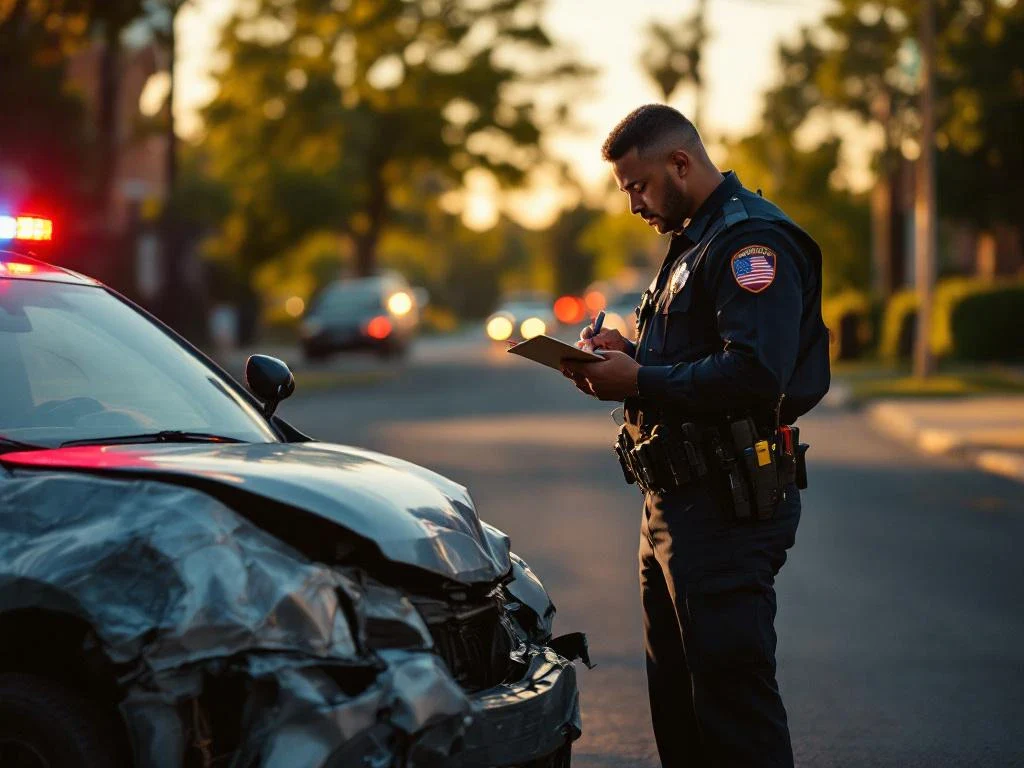
A police report is mandatory for a car accident in the Netherlands when there are injuries, significant property damage, disputes about fault, or hit-and-run situations. Dutch law requires immediate police notification for any accident involving personal injury, regardless of severity. Understanding these requirements helps protect your legal rights and ensures proper documentation for any potential car accident claim. The following sections address common questions about police reporting obligations and procedures.
When is a police report legally required after a car accident?
Dutch law mandates police reporting for car accidents involving personal injury, significant property damage exceeding €1,135, or when parties cannot agree on fault. You must also contact the police for hit-and-run incidents, accidents involving commercial vehicles, government property damage, or when drivers appear to be under the influence of alcohol or drugs.
This legal requirement applies regardless of how minor the injuries might seem initially. Even if someone feels fine immediately after the accident, symptoms can develop hours or days later. Police documentation creates an official record that becomes crucial for insurance claims and potential legal proceedings.
Specific circumstances requiring police involvement include:
- Any person injured, including passengers, drivers, cyclists, or pedestrians
- Property damage exceeding the statutory threshold
- Disagreement between parties about who caused the accident
- Suspected impaired driving or reckless behaviour
- Damage to public property, traffic signs, or barriers
- Accidents involving commercial vehicles or hazardous materials
When accidents occur on motorways or major roads, police response is typically automatic due to traffic safety concerns. Emergency services prioritise clearing the roadway while ensuring proper documentation of the incident.
What happens if you don’t file a police report when required?
Failing to report an accident when required can result in fines of up to €390 and potential criminal charges for leaving the scene. Insurance companies may deny claims or reduce settlements when proper police documentation is missing. This creates significant complications for recovering medical expenses, vehicle repairs, and other accident-related costs.
The legal consequences extend beyond immediate fines. Your driving record may be affected, potentially increasing insurance premiums for years. If injuries emerge later or the other party disputes fault, the absence of an official police report severely weakens your position.
Practical implications of missing police reports include:
| Issue | Consequence | Impact |
|---|---|---|
| Insurance claims | Delayed or denied coverage | Out-of-pocket expenses |
| Fault determination | Conflicting accounts | Reduced compensation |
| Evidence preservation | Lost witness statements | Weakened legal position |
| Medical documentation | Delayed injury recognition | Treatment cost disputes |
Insurance investigators rely heavily on police reports to establish facts and determine liability. Without this official documentation, they may assume partial fault or question the severity of the damages claimed.
How do you properly report a car accident to the police in the Netherlands?
Call 112 immediately for accidents involving injuries or emergency situations. For non-emergency reporting, contact the local police station within 24 hours. Provide your location, the number of vehicles involved, injury status, and whether traffic is blocked. Stay calm and answer questions clearly to ensure accurate documentation.
The reporting process differs based on accident severity and immediate circumstances. Emergency calls receive priority response, while minor property damage accidents may be handled through delayed reporting procedures.
Step-by-step reporting procedure:
- Ensure safety by moving to a secure location if possible
- Check for injuries and call 112 if medical attention is needed
- Document the scene with photographs before vehicles are moved
- Exchange insurance and contact information with other parties
- Collect witness contact details and statements if available
- Contact the police using 112 for emergencies or 0900-8844 for non-urgent reports
- Provide accurate location details and an accident description
- Wait for police arrival if instructed or visit the station within 24 hours
When calling, have your driving licence, insurance papers, and vehicle registration readily available. The police will need these details along with a clear description of how the accident occurred.
What’s the difference between a police report and insurance claim documentation?
A police report is an official legal document created by law enforcement that establishes facts about the accident. Insurance claim documentation includes forms you complete for your insurance company plus supporting evidence such as photos and medical records. Both serve different purposes but work together to support your compensation claim.
Police reports carry legal weight and provide independent verification of accident circumstances. They include officer observations, witness statements, and preliminary fault assessments. Insurance documentation focuses on damages, costs, and coverage details specific to your policy.
The police report serves as the foundation for establishing liability, while insurance documentation quantifies the financial impact. Insurance companies use police reports to verify claim details and determine coverage obligations.
Key differences in purpose and content:
Police reports document the factual circumstances surrounding the accident, including road conditions, weather, vehicle positions, and initial statements from involved parties. They provide an objective third-party account that insurance companies and courts consider highly reliable.
Insurance documentation focuses on policy coverage, damage assessments, medical expenses, and compensation calculations. This paperwork translates the accident facts into financial terms relevant to your specific insurance coverage.
Both documents complement each other in building a strong foundation for your claim. The police report establishes what happened, while insurance documentation demonstrates the financial consequences and your entitlement to compensation.
Understanding when police reports are mandatory protects your legal rights and ensures proper documentation for potential claims. Whether dealing with minor injuries or significant property damage, proper reporting creates the foundation for fair compensation. If you’ve been involved in a car accident, professional legal guidance can help you navigate the reporting process and maximise your settlement. Use our damages calculator to estimate your potential compensation and contact us for expert assistance with your claim.
Frequently Asked Questions
What should I do if the police don't arrive at the accident scene?
If police don’t respond to the scene, you must visit the nearest police station within 24 hours to file a report. Take detailed photos of vehicle damage, road conditions, and license plates before leaving. Ensure you have contact information from all parties involved and any witnesses present.
How long does it take to receive an official copy of the police report?
Police reports are typically available within 5-10 business days after filing. You can request a copy from the police station where the report was filed or through the online portal. Some insurance companies can obtain reports directly, but having your own copy ensures faster claim processing.
What happens if the other driver refuses to provide insurance information?
Document their license plate number and vehicle details immediately, then contact the police regardless of damage severity. The police can compel drivers to exchange information and will include these details in their report. Never leave the scene without proper documentation, as this could be considered a hit-and-run.
Can I file a police report later if I initially thought no report was needed?
Yes, you can file a delayed police report within reasonable time limits, though it’s more challenging to establish facts after the scene is cleared. Contact the police station immediately if injuries develop or damage appears worse than initially assessed. However, delayed reporting may complicate insurance claims and evidence collection.
Would you like to share this article?

