 NL
NL ES
ES PL
PL TR
TR


 By:
By: 
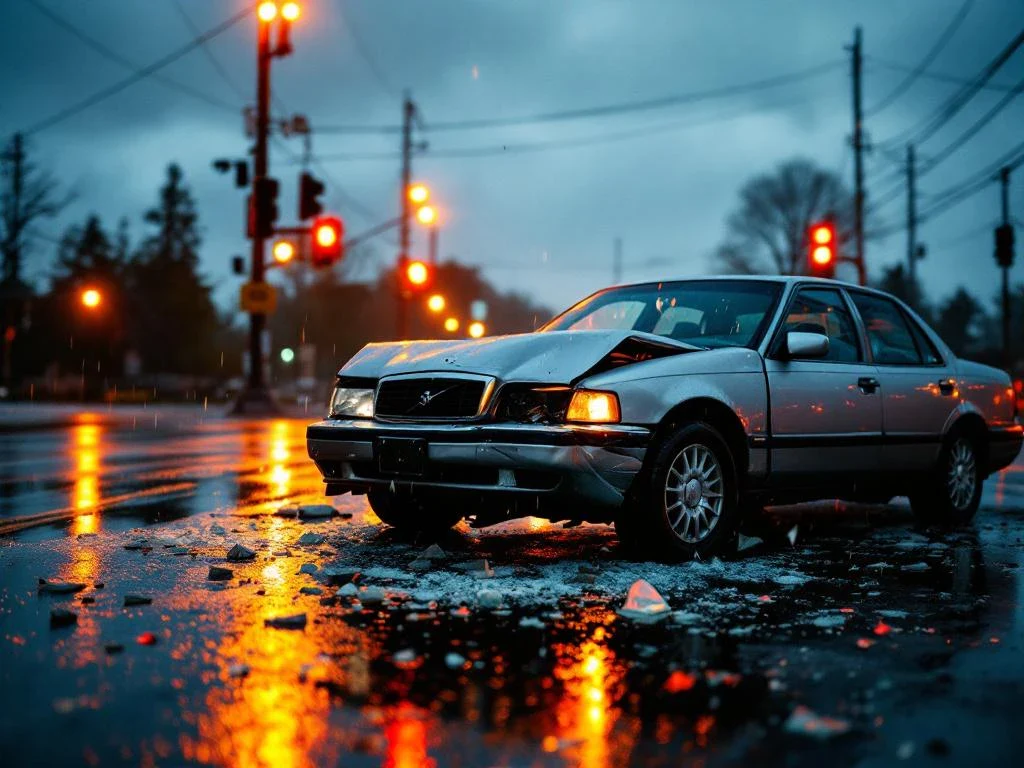
Car accidents come in several distinct types, each with unique characteristics and causes. The main categories include rear-end collisions, side-impact crashes, head-on collisions, and single-vehicle accidents. Understanding these different types helps drivers recognise potential risks and take appropriate safety measures. Each accident type presents specific injury patterns and requires different approaches for car accident claims.
What are the main categories of car accidents?
Car accidents fall into four primary categories based on the direction and nature of impact. Rear-end collisions occur when one vehicle strikes another from behind and represent the most common type of traffic accident. Side-impact crashes happen when vehicles collide at perpendicular angles, often at intersections. Head-on collisions involve vehicles travelling in opposite directions, while single-vehicle accidents involve only one car and typically result from driver error or road conditions.
Each accident category presents distinct patterns of vehicle damage and occupant injuries. Rear-end collisions commonly cause whiplash and neck injuries due to the sudden forward-backward motion. Side-impact crashes often result in injuries to the torso, pelvis, and head, particularly for occupants on the struck side. Head-on collisions typically produce the most severe injuries due to the combined speed of both vehicles.
Understanding these categories helps drivers identify high-risk situations and adjust their driving accordingly. Approaching intersections requires heightened awareness of side-impact risks, while maintaining proper following distances reduces the likelihood of rear-end collisions.
How do rear-end collisions happen and what makes them so common?
Rear-end collisions occur when drivers follow too closely, become distracted, or fail to respond quickly enough to changes in traffic. Following too closely eliminates the reaction time needed to brake safely when traffic slows. Distracted driving, including mobile phone use, eating, or adjusting controls, prevents drivers from noticing stopped or slowing traffic ahead.
Weather conditions significantly increase rear-end collision risk. Rain, snow, and ice reduce tyre grip and extend stopping distances, while fog limits visibility. Rush hour traffic creates stop-and-go conditions that challenge driver attention and reaction times.
| Common Causes | Contributing Factors | Prevention Methods |
|---|---|---|
| Following too closely | Heavy traffic, impatience | Maintain 3-second rule |
| Distracted driving | Mobile phones, passengers | Focus solely on driving |
| Weather conditions | Rain, snow, ice | Increase following distance |
| Sudden braking | Unexpected obstacles | Anticipate traffic patterns |
These accidents account for approximately 30% of all traffic collisions because they involve the most common driving scenario: following another vehicle. The combination of human reaction time limitations and inadequate following distances creates frequent collision opportunities.
What’s the difference between side-impact and rollover accidents?
Side-impact collisions occur when one vehicle strikes another’s side, creating a “T-bone” pattern, while rollover accidents involve vehicles tipping onto their side or roof. Side-impact crashes typically happen at intersections when drivers run red lights or fail to yield the right of way. The striking vehicle’s front end contacts the target vehicle’s door area, creating significant force transfer to occupants.
Rollover accidents usually affect taller vehicles like SUVs and trucks due to their higher centre of gravity. These accidents often result from sharp turns at excessive speeds, striking kerbs or soft road shoulders, or side-impact collisions that destabilise the vehicle. Single-vehicle rollovers frequently occur on rural roads and motorway exits.
- Side-impact characteristics: Occur at intersections, involve two vehicles, create lateral force on occupants
- Rollover characteristics: Affect high-profile vehicles, often single-vehicle events, involve vehicle rotation
- Injury patterns: Side-impacts cause torso and pelvic injuries; rollovers risk head and spinal injuries
- Vehicle factors: Side-impacts affect all vehicle types; rollovers predominantly involve SUVs and trucks
Modern vehicles include specific safety features for each accident type. Side-impact protection includes door-mounted airbags and reinforced door frames, while rollover protection features electronic stability control and strengthened roof structures.
Why are head-on collisions considered the most dangerous type of car accident?
Head-on collisions combine the speeds of both vehicles, creating impact forces that far exceed those in other accident types. When two vehicles travelling at 50 mph collide head-on, the combined impact energy is similar to hitting a stationary object at 100 mph. This physics principle makes head-on crashes disproportionately deadly despite representing only 2% of all accidents.
These collisions typically occur due to wrong-way driving, unsafe overtaking, or drivers crossing the centre line. Impaired driving, fatigue, and medical emergencies frequently contribute to head-on crashes. Rural roads with narrow lanes and no physical barriers present higher head-on collision risks than divided motorways.
The frontal impact zone, while designed to absorb crash energy, faces extreme forces in head-on collisions that can overwhelm safety systems. Occupants experience rapid deceleration that can cause traumatic brain injuries, chest trauma, and lower extremity fractures even with properly functioning airbags and seatbelts.
Prevention focuses on maintaining lane position, avoiding risky overtaking manoeuvres, and recognising signs of impairment in other drivers. Divided highways with physical barriers significantly reduce head-on collision rates compared to two-way roads with painted centre lines only.
Understanding different car accident types helps drivers recognise risks and respond appropriately when accidents occur. Whether dealing with minor rear-end collisions or serious head-on crashes, seeking proper legal guidance ensures a comprehensive evaluation of your situation. Professional assistance is valuable regardless of injury severity, helping secure appropriate compensation through accurate damages calculation and proper claim handling.
Frequently Asked Questions
What should I do immediately after being involved in any type of car accident?
First, ensure everyone’s safety and call emergency services if anyone is injured. Document the scene with photos, exchange insurance information with other drivers, and avoid admitting fault. Even in minor accidents, consider seeking medical attention as some injuries may not be immediately apparent.
How long do I have to file a car accident claim after different types of collisions?
Most jurisdictions have a statute of limitations ranging from 1-3 years for personal injury claims, regardless of accident type. However, it’s advisable to contact a legal professional as soon as possible after the accident to ensure all deadlines are met and evidence is preserved properly.
Are certain types of car accidents more likely to result in higher compensation amounts?
Head-on collisions and side-impact crashes typically result in more severe injuries and higher compensation due to the greater forces involved. However, compensation depends on specific factors like injury severity, medical costs, lost wages, and long-term impacts rather than just accident type.
What evidence is most important to collect for different types of accident claims?
For all accident types, gather photos of vehicle damage, road conditions, and injuries. In rear-end collisions, focus on documenting following distances and brake marks. For intersection accidents, capture traffic signals and road signs to establish right-of-way and fault determination.
How do insurance companies determine fault differently across various accident types?
Rear-end collisions typically assign fault to the following driver, while intersection accidents require detailed analysis of traffic signals and right-of-way rules. Head-on collisions focus on which driver crossed the centre line, and single-vehicle accidents examine road conditions and driver behaviour patterns.
Would you like to share this article?

