 NL
NL ES
ES PL
PL TR
TR


 By:
By: 
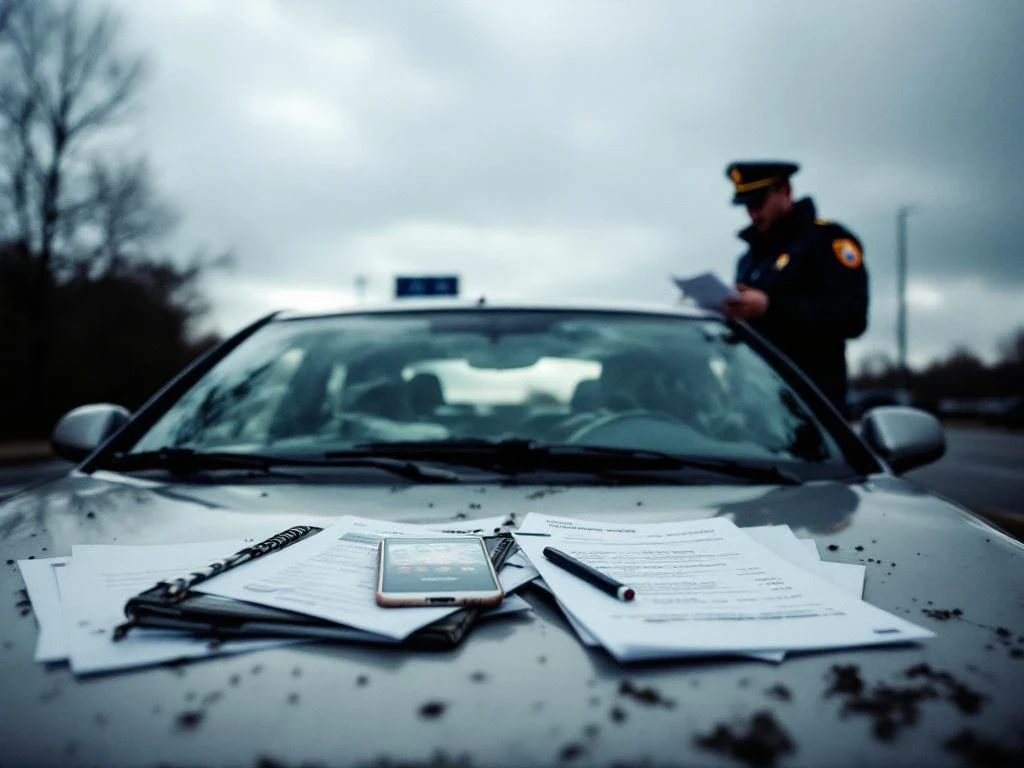
International car accidents involve complex legal procedures that vary depending on the countries involved, applicable treaties, and local jurisdiction rules. When you’re involved in a car accident abroad, multiple legal systems may apply, requiring specific documentation and particular insurance claim processes. Understanding these procedures helps ensure you protect your rights and receive appropriate compensation, regardless of where the accident occurs.
What legal procedures apply when you’re involved in a car accident abroad?
International car accidents are governed by a combination of local traffic laws, international treaties, and jurisdiction rules that determine which country’s legal system applies to your case. The Rome II Regulation within the EU establishes that the law of the country where the accident occurred typically applies, while bilateral agreements between countries may override this principle.
When an accident happens abroad, you must immediately contact local emergency services and the police, even for minor incidents. Many countries require official police reports for any insurance claim, regardless of the severity of the damage. The responding officers will apply local traffic laws to determine an initial assessment of fault and create documentation that becomes crucial for your claim.
International treaties such as the Hague Convention on Road Traffic Accidents help coordinate legal procedures between participating countries. These agreements establish standardised processes for evidence collection, witness statements, and document authentication. However, not all countries participate in these treaties, which can complicate cross-border claims.
Your first priority should be ensuring immediate safety and seeking medical attention if needed. Document the scene thoroughly with photographs, collect contact information from all parties involved, and obtain details of local witnesses. Request business cards from the responding police officers and note their badge numbers for future reference.
How do insurance claims work for international car accidents?
Cross-border insurance claims involve coordination between your home-country insurer and the foreign country’s insurance system, often requiring specific procedures and extended processing times. Most EU countries participate in the Green Card system, which provides automatic recognition of coverage, while non-participating countries may require separate international insurance policies.
Contact your insurance company immediately after the accident, preferably within 24 hours. Your insurer will guide you through their specific international claims process and may assign a local representative in the country where the accident occurred. This representative can assist with language barriers and local legal requirements.
The Motor Insurance Directive within the EU ensures that victims can claim compensation directly from insurers in their home country through appointed representatives. Each EU country maintains a compensation body that handles claims when the responsible party is uninsured or unknown.
| Claim Type | Processing Time | Required Documentation |
|---|---|---|
| EU Green Card Claims | 30–90 days | Police report, insurance details, medical records |
| Non-EU International Claims | 90–180 days | Translated documents, local legal certificates, witness statements |
| Uninsured Driver Claims | 120–240 days | Compensation body application, proof of uninsured status |
What documentation do you need for an international car accident claim?
Essential documentation for international car accident claims includes official police reports, medical records, insurance certificates, and properly translated versions of all foreign-language documents. Apostille certification may be required for documents used in countries that are signatories to the Hague Convention, ensuring international legal recognition.
Obtain a certified copy of the police report from local authorities, as this document forms the foundation of your claim. Request medical documentation from any healthcare providers who treated you, including emergency room visits, diagnostic tests, and ongoing treatment records. These documents often must be translated by certified translators and authenticated by the relevant authorities.
Your insurance documentation should include your policy certificate, Green Card (if applicable), and any international coverage extensions. Collect insurance details from all other parties involved, including policy numbers, insurer contact information, and coverage limits, if disclosed.
Key documents you’ll need include:
- Official police accident report with case numbers
- Medical records and treatment documentation
- Insurance certificates and policy information
- Photographic evidence of vehicle damage and the accident scene
- Witness statements with contact information
- Rental car agreements or alternative transport cost records
- Employment documentation for lost income claims
Keep multiple copies of all documents and store them securely. Consider using digital storage with cloud backup to ensure you don’t lose critical paperwork during travel or extended claim processes.
How does fault determination work in cross-border traffic accidents?
Fault determination in international car accidents follows the traffic laws of the country where the accident occurred, though different legal systems may interpret evidence and assign liability differently than in your home country. Comparative negligence rules vary significantly between jurisdictions, affecting how shared fault impacts your compensation.
Local police conduct the initial fault assessment based on their country’s traffic regulations, road rules, and evidence collection procedures. Their determination carries significant weight in insurance settlements, though it may not be the final legal conclusion if the case proceeds to court.
Some countries use strict liability systems, where certain violations automatically result in a finding of fault, while others employ contributory negligence principles that can reduce compensation based on your partial responsibility. Understanding these differences helps you prepare appropriate evidence and arguments for your claim.
European countries often follow standardised fault-determination guidelines through agreements like the Motor Insurance Directive, which promotes consistent liability assessment across borders. However, countries outside these agreements may apply significantly different standards to identical accident scenarios.
Evidence collection procedures also vary internationally. Some countries require specific witness statement formats, particular photographic documentation, or immediate medical examinations to support injury claims. Working with local legal representatives familiar with these requirements can significantly affect your claim’s success.
International car accidents require careful navigation of complex legal and insurance procedures that vary significantly between countries. Understanding these processes, maintaining proper documentation, and seeking appropriate legal guidance helps ensure you protect your rights and maximise your compensation potential. Whether dealing with minor property damage or serious injuries, professional legal assistance can help you navigate the complexities of cross-border claims effectively. For expert guidance on your international car accident claim, consider consulting specialists who understand both local and international legal procedures. Calculate your potential compensation to better understand the value of your international accident claim.
Frequently Asked Questions
What should I do if the other driver's insurance company refuses to communicate in English?
Contact your own insurance company immediately, as they often have multilingual representatives or partnerships with local insurers abroad. Many insurance companies also provide translation services or can assign a local claims adjuster who speaks your language to facilitate communication and ensure your claim is properly processed.
How long do I have to file an international car accident claim?
Claim filing deadlines vary significantly by country, ranging from 30 days to several years after the accident. Contact your insurance company within 24-48 hours regardless of local deadlines, as many insurers have their own stricter notification requirements that could void your coverage if missed.
What happens if my rental car insurance doesn't cover accidents abroad?
Check if your personal auto insurance or credit card provides international rental coverage before traveling. If you’re uninsured, you may be personally liable for all damages and need to pursue compensation through the other party’s insurance or local compensation schemes for uninsured drivers.
Can I use my home country lawyer for an international car accident case?
While your home country lawyer can provide initial guidance, you’ll likely need local legal representation familiar with the foreign country’s traffic laws and court procedures. Many international law firms have partnerships that allow seamless coordination between your home lawyer and local counsel.
What if the accident occurs in a country that doesn't recognize my insurance?
You’ll need to purchase local insurance or rely on international insurance certificates like the Green Card for EU travel. Without recognized coverage, you may face immediate financial liability and should contact your embassy or consulate for assistance with local legal requirements and emergency insurance options.
Would you like to share this article?

