 NL
NL ES
ES PL
PL TR
TR


 By:
By: 
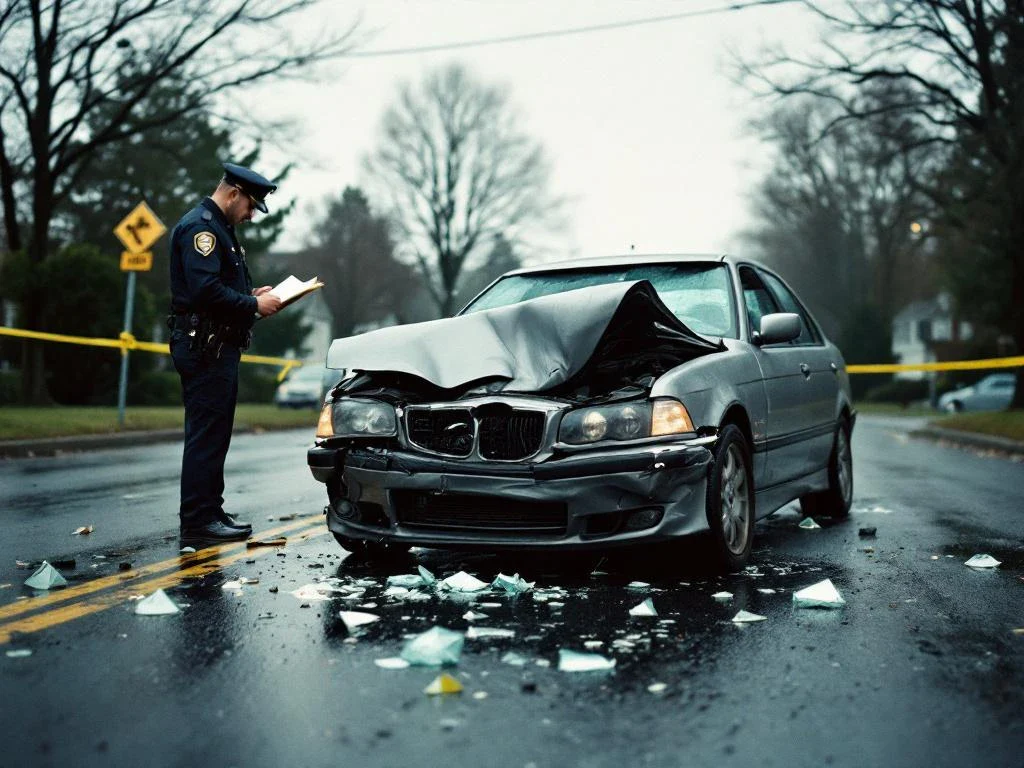
A car accident is legally defined as any incident involving a motor vehicle that results in property damage, personal injury, or both. Under Dutch law, a car accident occurs when at least one vehicle is involved in an unintended collision or incident that causes harm to persons or property. The legal significance depends on factors such as the severity of the damage, whether injuries occurred, and the circumstances surrounding the incident. Understanding these legal definitions is crucial for anyone involved in a car accident claim process.
What exactly constitutes a car accident under Dutch law?
Under Dutch traffic law, a car accident is defined as any incident involving one or more motor vehicles that results in unintended damage or injury. The incident must involve at least one moving vehicle and result in either property damage, personal injury, or both to qualify as a legally recognized traffic accident.
The legal criteria for a car accident include several key elements. The incident must involve a motor vehicle, which includes cars, motorcycles, trucks, buses, and other motorized transport. There must be an unintended collision or incident that causes harm, and the event must occur on a public road, private property, or any location where vehicles operate.
Property damage can range from minor scratches to total vehicle destruction. Even seemingly minor damage qualifies as a car accident if it results from vehicle involvement. Personal injury encompasses any physical harm to drivers, passengers, pedestrians, or cyclists, regardless of severity.
The location of the incident also matters legally. Accidents on public roads, car parks, private driveways, and even incidents involving stationary vehicles can qualify as car accidents under Dutch law. The key factor is vehicle involvement and resulting damage or injury.
What’s the difference between a car accident and other traffic incidents?
Car accidents differ from other traffic incidents primarily in their legal consequences and compensation eligibility. While near misses, parking violations, or mechanical failures might occur on roads, they do not qualify as accidents unless they result in actual damage or injury involving a vehicle.
Near-miss incidents, where vehicles almost collide but no contact occurs, are not considered car accidents under Dutch law. These situations, while potentially dangerous, do not trigger legal liability or compensation rights because no actual harm occurred.
The following table illustrates the key differences:
| Incident Type | Legal Classification | Compensation Rights |
|---|---|---|
| Vehicle collision with damage | Car accident | Yes |
| Near miss with no contact | Traffic incident | No |
| Parking lot fender-bender | Car accident | Yes |
| Mechanical breakdown | Vehicle failure | No (unless caused by negligence) |
Parking lot incidents often cause confusion, but they typically qualify as car accidents when they involve moving vehicles and result in damage. However, incidents involving stationary objects without vehicle-to-vehicle contact may have different legal implications.
Mechanical failures alone do not constitute car accidents unless the failure directly causes a collision or incident involving other vehicles or property. This distinction affects whether victims can pursue compensation claims and how liability is determined.
When does a car accident become legally significant for compensation claims?
A car accident becomes legally significant for compensation when it results in quantifiable damage or injury, regardless of severity. Dutch law does not require a minimum damage threshold, meaning even minor incidents can justify legal claims if proper documentation exists and fault can be established.
Legal significance depends on several factors that determine claim eligibility. These include:
- Any level of property damage to vehicles or other property
- Personal injury ranging from minor bruises to severe trauma
- Proper incident documentation and evidence collection
- Clear establishment of fault or liability
- Timely reporting to relevant authorities and insurance companies
Documentation requirements play a crucial role in legal significance. Police reports, witness statements, photographs, and medical records strengthen the legal foundation for compensation claims. Even minor accidents benefit from thorough documentation to support potential claims.
The severity of injury or damage does not determine legal significance, but it affects compensation amounts. Minor injuries still warrant legal attention and potential compensation, while severe injuries require comprehensive legal support to ensure adequate compensation for long-term consequences.
Time limitations also affect legal significance. Dutch law requires timely reporting and claim filing, making prompt action essential for maintaining legal rights to compensation.
How do Dutch courts determine fault and liability in car accidents?
Dutch courts determine fault and liability in car accidents by examining traffic law violations, applying contributory negligence principles, and evaluating available evidence. The legal framework prioritizes traffic rule compliance and assigns liability based on each party’s contribution to the accident.
Traffic law violations form the primary basis for fault determination. Courts examine whether drivers followed speed limits, traffic signals, right-of-way rules, and safe driving practices. Clear violations typically establish primary liability, though multiple factors may contribute to the final determination.
The contributory negligence system allows courts to assign partial fault to multiple parties. This means liability percentages can be distributed among the parties involved based on their respective contributions to the accident. For example, one driver might bear 70% responsibility while another bears 30%.
Evidence evaluation includes multiple sources that help courts determine fault accurately:
- Police reports and official accident investigations
- Witness testimonies from independent observers
- Physical evidence, including vehicle damage patterns
- Traffic camera footage or surveillance videos
- Expert accident reconstruction analysis
- Driver statements and admissions of fault
Special liability rules apply in certain situations. For instance, drivers have heightened responsibility when accidents involve pedestrians or cyclists, reflecting Dutch law’s protection of vulnerable road users. Professional drivers may face stricter liability standards due to their training and experience.
Insurance company investigations often run parallel to court proceedings, but legal determinations take precedence for compensation purposes. Understanding how courts approach fault determination helps accident victims prepare stronger cases and secure appropriate compensation.
Professional legal assistance becomes valuable when fault determination is complex or disputed. Experienced legal professionals understand how Dutch courts evaluate evidence and can present cases effectively to achieve fair liability determinations. Whether dealing with minor incidents or serious accidents, proper legal guidance ensures your rights are protected and compensation claims are handled professionally. For expert assistance with your car accident case, consider using our damages calculator to understand potential compensation amounts.
Frequently Asked Questions
What should I do immediately after a car accident to protect my legal rights?
Document everything thoroughly by taking photos of vehicle damage, the accident scene, and any injuries. Exchange contact and insurance information with other parties, obtain witness contact details, and report the incident to police if there are injuries or significant damage. Contact your insurance company within 24 hours and avoid admitting fault at the scene.
How long do I have to file a compensation claim after a car accident in the Netherlands?
Under Dutch law, you typically have three years from the date of the accident to file a personal injury claim and two years for property damage claims. However, it’s advisable to start the claims process as soon as possible while evidence is fresh and witnesses are available.
Can I still receive compensation if I was partially at fault for the accident?
Yes, Dutch law follows a contributory negligence system where compensation is reduced based on your percentage of fault. For example, if you’re found 30% at fault and your damages total €10,000, you would receive €7,000 in compensation from the other party’s insurance.
What types of damages can I claim compensation for after a car accident?
You can claim compensation for vehicle repair or replacement costs, medical expenses, lost income, pain and suffering, and future care costs. Additional damages may include transportation costs while your car is being repaired and any permanent disability or scarring that affects your quality of life.
Do I need a lawyer for minor car accidents with minimal damage?
While not legally required, consulting a lawyer is often beneficial even for minor accidents. Insurance companies may offer lower settlements than you deserve, and legal guidance ensures you understand your rights and receive fair compensation, especially if you sustained any injuries.
Would you like to share this article?

