 NL
NL ES
ES PL
PL TR
TR


 By:
By: 
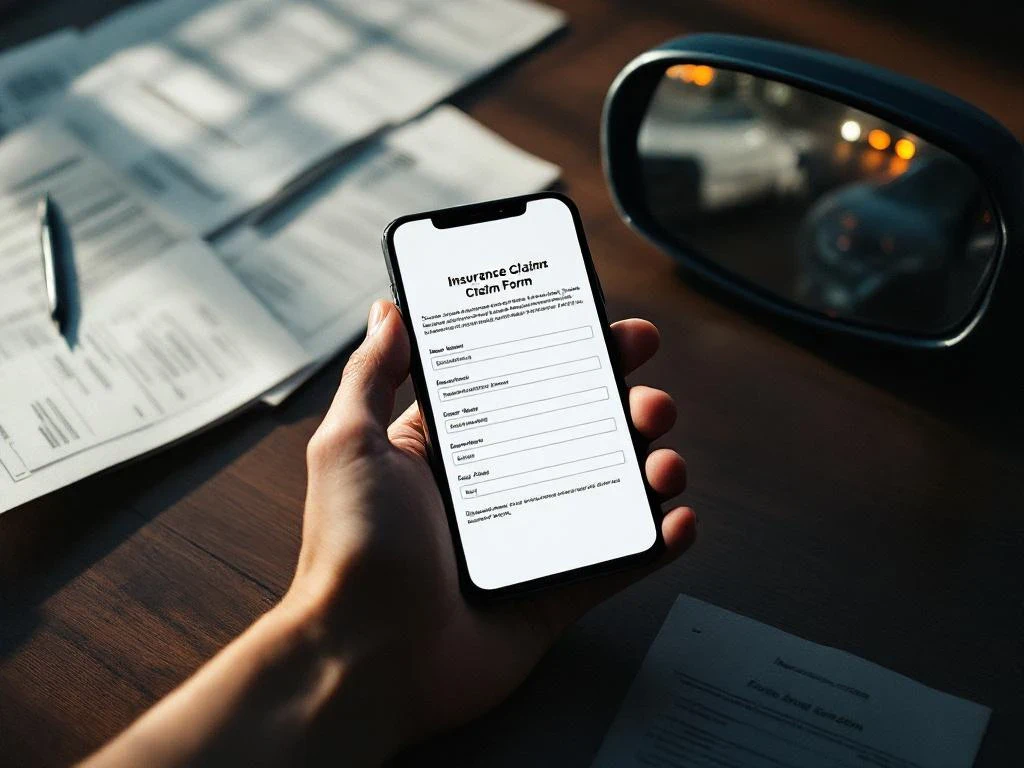
Starting a car accident claim requires immediate action and proper documentation. You must gather evidence at the scene, report the incident to the police and insurance companies, and seek medical attention even for minor injuries. The process involves proving fault, understanding your compensation rights, and working within legal timeframes to secure the maximum settlement for your damages.
What should you do immediately after being hit by a car?
Ensuring safety, documenting everything, and seeking medical attention are the three critical priorities after any car accident. Move to safety if possible, call emergency services, and begin collecting evidence while the scene is fresh. These immediate actions protect your health and strengthen your future claim.
Your safety comes before any documentation. If you can move without risk of further injury, get yourself and others away from traffic. Call 999 for emergency services if anyone appears injured or if the accident blocks the flow of traffic.
Once safe, begin documenting the scene thoroughly. Take photographs of vehicle damage, road conditions, traffic signs, and the overall accident scene from multiple angles. Exchange contact details and insurance information with the other driver, including their name, address, telephone number, driving licence details, and insurance policy information.
- Ensure everyone’s immediate safety and call emergency services if needed
- Take extensive photographs of all vehicles, damage, and the accident scene
- Exchange full contact and insurance details with the other driver
- Gather witness contact information and brief statements
- Note weather conditions, time of day, and any relevant road factors
- Avoid admitting fault or discussing blame at the scene
Even if you feel fine initially, seek medical attention within 24–48 hours. Adrenaline can mask injuries like whiplash or concussion that may worsen over time. Medical records from immediately after the accident provide crucial evidence for your claim.
How do you prove the other driver was at fault?
Evidence collection, witness statements, and police reports form the foundation of proving fault in car accidents. Traffic violations, road conditions, and driver behaviour at the time of impact all contribute to establishing liability under Dutch traffic law.
Police reports carry significant weight in determining fault. When officers attend the scene, they document their observations, interview witnesses, and note any traffic violations. Request the police report reference number and follow up to obtain the full report once it is available.
Witness testimony provides independent verification of events. Collect contact details from anyone who saw the accident, including passengers in other vehicles, pedestrians, or people in nearby buildings. Ask witnesses to provide brief written statements about what they observed, focusing on vehicle movements and traffic light status.
| Type of Evidence | Importance | How to Obtain |
|---|---|---|
| Police Report | High | Request reference number at the scene, obtain full report later |
| Witness Statements | High | Collect contact details and written statements immediately |
| Photographs | Very High | Take extensive photos from multiple angles |
| Traffic Violations | Very High | Note any violations observed, check for cameras |
Traffic camera footage can provide definitive proof of fault. Note the location of any traffic cameras, security cameras from nearby businesses, or dashboard cameras in other vehicles. Request this footage promptly, as many systems automatically delete recordings after a short period.
What compensation can you claim after a car accident?
Medical expenses, lost income, pain and suffering, and property damage represent the main categories of compensation available after car accidents. The total amount depends on injury severity, recovery time, and the accident’s impact on your daily life and earning capacity.
Medical costs include all treatment related to your injuries, from initial emergency care to ongoing physiotherapy or specialist consultations. Keep detailed records of all medical appointments, prescriptions, and treatment costs. Future medical needs, such as continued therapy or adaptive equipment, can also be claimed.
Lost income compensation covers wages lost during recovery and any reduction in future earning capacity. This includes sick days, reduced working hours, and potential career limitations caused by your injuries. Self-employed individuals can claim for lost business income and opportunities.
Pain and suffering compensation acknowledges the physical discomfort and emotional distress caused by the accident. This includes anxiety about driving, sleep disruption, and reduced enjoyment of activities you previously loved. The amount varies significantly based on injury severity and recovery duration.
Property damage covers vehicle repairs or replacement value, plus any personal belongings damaged in the accident. Additional costs like hire cars during repairs, recovery fees, and storage charges can also be included in your claim.
How long do you have to start a personal injury claim?
Three years from the accident date is the standard limitation period for personal injury claims in the Netherlands. However, this deadline can vary depending on when you discovered the injury or if you were under 18 at the time of the accident.
The three-year limitation period begins from the date you knew or reasonably should have known about your injury and its connection to the accident. For obvious injuries like broken bones, this starts immediately. For conditions like whiplash that develop gradually, the clock starts when you become aware of the injury.
Certain circumstances can extend the limitation period. If you were under 18 at the time of the accident, the three-year period begins on your 18th birthday. For psychological injuries that manifest later, the deadline starts when you receive a diagnosis linking the condition to the accident.
Missing the limitation deadline can result in losing your right to claim compensation entirely. Courts rarely grant extensions unless exceptional circumstances prevented you from filing within the time limit. Starting your claim early also ensures better evidence preservation and witness availability.
Do you need a lawyer to claim compensation after being hit by a car?
Professional legal representation significantly improves your chances of securing maximum compensation, especially for serious injuries or disputed liability cases. While simple claims can sometimes be handled independently, legal expertise becomes essential when dealing with complex medical evidence or uncooperative insurers.
Insurance companies employ experienced adjusters whose job is to minimise payouts. They may offer quick settlements that seem attractive but fall short of covering your full damages. Legal professionals understand the true value of claims and can negotiate effectively on your behalf.
Complex cases involving serious injuries, multiple parties, or disputed fault require specialist knowledge of medical evidence and legal precedents. Lawyers can engage medical experts, accident reconstruction specialists, and other professionals to build the strongest possible case.
Many people worry about legal costs, but compensation claims can often be pursued without upfront expenses. Professional legal assistance ensures you understand all available types of compensation and receive the maximum settlement possible for your circumstances.
Whether dealing with minor injuries or severe trauma, professional guidance helps protect your rights and interests. We provide completely free legal assistance for car accident victims, with our fees paid directly by the responsible party’s insurer, ensuring you receive your full compensation without any deduction.
Frequently Asked Questions
What happens if the other driver doesn't have insurance or flees the scene?
If the at-fault driver is uninsured or flees, you can still claim compensation through your own insurance policy’s uninsured motorist coverage or through the Motor Insurers’ Bureau. Report hit-and-run accidents to police immediately and gather as much evidence as possible, including witness statements and any partial license plate information.
How do insurance companies calculate the value of pain and suffering compensation?
Insurance companies use medical reports, injury severity, recovery duration, and impact on daily activities to calculate pain and suffering awards. They consider factors like age, pre-existing conditions, and how the injury affects work and relationships. Legal representation often results in significantly higher pain and suffering settlements than initial insurance offers.
What should you do if you feel fine immediately after the accident but develop symptoms later?
Seek medical attention as soon as symptoms appear and inform your doctor about the recent accident. Many injuries like whiplash, concussion, or soft tissue damage can take hours or days to manifest. Document the connection between your symptoms and the accident, as delayed injuries are still compensable if properly linked to the incident.
Can you claim compensation if you were partially at fault for the accident?
Yes, you can still claim compensation even if you bear some responsibility for the accident under Dutch comparative negligence laws. Your compensation will be reduced by your percentage of fault, but you won’t lose your right to claim entirely. Professional legal assessment helps determine accurate fault allocation and maximize your recovery.
What evidence should you preserve beyond the immediate accident scene documentation?
Keep all medical records, receipts for expenses, correspondence with insurers, and a detailed diary of your recovery progress and daily limitations. Preserve damaged clothing, obtain vehicle repair estimates, and maintain records of all accident-related costs including transportation to medical appointments and prescription medications.
Would you like to share this article?

