 NL
NL ES
ES PL
PL TR
TR


 By:
By: 
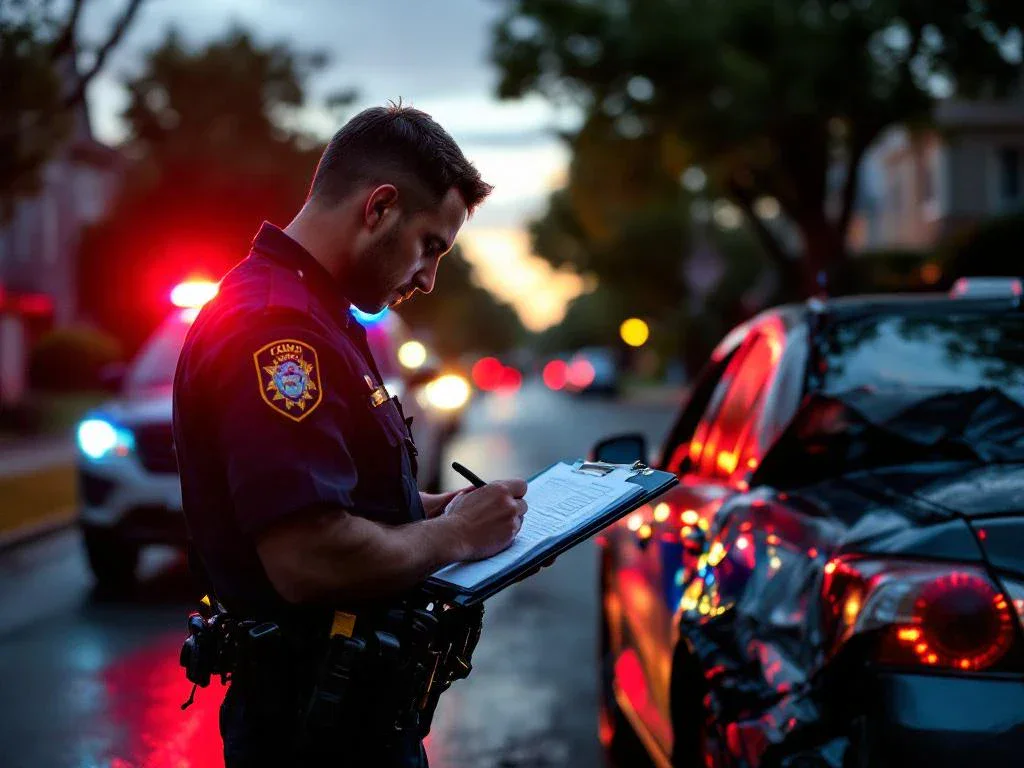
Reporting a car accident to the police involves contacting emergency services immediately if there are injuries, or calling the non-emergency line for incidents involving property damage only. You’ll need to provide location details, vehicle information, and a description of what happened. Car accident claims often depend on having proper police documentation, making accurate reporting essential for protecting your legal rights and securing compensation.
When are you legally required to report a car accident to the police?
You must report a car accident to the police when anyone is injured, regardless of how minor the injuries appear. This legal requirement applies to all traffic incidents involving personal injury, including suspected whiplash, cuts, bruises, or any physical discomfort reported by drivers, passengers, or pedestrians.
Several other situations require mandatory police reporting:
- Property damage exceeding £1,000 in total value
- Disputes about who caused the accident or fault determination
- Hit-and-run incidents where a driver leaves the scene
- Accidents involving commercial vehicles, public transport, or emergency vehicles
- Incidents where drivers appear to be under the influence of alcohol or drugs
- Road traffic accidents causing damage to public property
Failing to report when legally required can result in penalties, including fines, penalty points on your licence, and potential prosecution. Even if you believe the accident is minor, reporting protects all parties involved and ensures proper documentation for insurance purposes.
What information do you need to provide when reporting a car accident?
When reporting a car accident, you must provide comprehensive details about all parties involved, the vehicles, and the circumstances of the incident. Having this information organised helps ensure accurate documentation and supports any subsequent insurance claims or legal proceedings.
Essential information includes:
| Category | Required Details |
|---|---|
| Personal Information | Full names, addresses, phone numbers, driving licence numbers |
| Vehicle Details | Registration numbers, make, model, year, colour, insurance details |
| Accident Circumstances | Date, time, weather conditions, road conditions, traffic signals |
| Location Specifics | Exact address or nearest landmarks, road names, direction of travel |
| Witness Information | Names, contact details, brief statements if available |
| Damage Assessment | Description of vehicle damage, property damage, injury reports |
Take photographs of the scene, vehicle positions, damage, and any relevant road signs or markings. Note the responding officer’s name and incident reference number for future correspondence. This documentation proves invaluable when pursuing compensation claims.
How do you actually file a police report for a car accident?
Filing a police report involves different procedures depending on the severity of the accident. For emergencies with injuries, call 999 immediately. For non-emergency property damage incidents, contact the local police non-emergency number or visit a police station within 24 hours of the incident.
The reporting process typically follows these steps:
- Immediate response: Ensure safety, check for injuries, move vehicles if it is safe to do so
- Contact the appropriate services (999 for emergencies, the non-emergency line for property damage)
- Provide the location and a brief description of the incident
- Wait for officers to arrive, or proceed to a police station if directed
- Provide a detailed statement about what happened
- Submit supporting evidence (photographs, witness statements)
- Obtain the incident reference number and the officer’s contact details
- Request a copy of the police report once it is completed
Many police forces now offer online reporting systems for minor accidents without injuries. These digital platforms allow you to submit reports, upload photographs, and track the progress of your case. Always report within the required timeframe to avoid complications with insurance claims.
What should you do if the other driver refuses to cooperate with police reporting?
When another driver refuses to cooperate with police reporting, document their non-cooperation and continue with the reporting process independently. Their refusal to participate doesn’t prevent you from fulfilling your legal obligations or protecting your interests in potential compensation claims.
Take these protective measures:
- Record the other driver’s refusal on your phone or in writing
- Photograph their vehicle, registration number, and any visible damage
- Collect contact details from independent witnesses
- Note the exact time and circumstances of their refusal
- Report their non-cooperation to the police when filing your report
- Contact your insurance company immediately to report the incident
If the other driver attempts to leave the scene, note their direction of travel and vehicle details. Never physically prevent someone from leaving, as this could escalate the situation dangerously. Focus on gathering evidence and let the police handle any pursuit or follow-up investigation.
Document everything thoroughly, as uncooperative behaviour often indicates attempts to avoid responsibility. This evidence becomes crucial when establishing fault and pursuing compensation for any damages or injuries sustained in the accident.
How does a police report affect your car accident compensation claim?
Police reports serve as crucial evidence in car accident compensation claims by providing an official, impartial record of the incident. Insurance companies and legal professionals rely heavily on these reports when determining fault, assessing damages, and calculating appropriate compensation amounts.
The report influences your claim in several ways. It establishes a timeline of events, documents witness statements, and records the responding officer’s observations about the scene. This official documentation carries significant weight when disputing fault or challenging insurance company decisions about liability.
Insurance adjusters use police reports to verify the circumstances you’ve described and cross-reference details with other parties’ accounts. Inconsistencies between your insurance claim and the police report can lead to delays, reduced settlements, or claim denials.
For legal proceedings, police reports provide foundational evidence that supports your version of events. Courts recognise these documents as reliable sources of information about accident circumstances, making them valuable tools for establishing negligence and securing fair compensation.
However, police reports aren’t always final determinations of fault. Officers sometimes note that fault determination requires further investigation, leaving room for additional evidence to influence the outcome. Professional legal assistance helps interpret these reports and build stronger cases for maximum compensation.
Whether dealing with minor injuries or significant damage, proper police documentation protects your right to fair compensation. Consider using our damages calculator to understand potential compensation amounts, and remember that expert legal guidance helps ensure you receive the full compensation you deserve for your car accident injuries and losses.
Frequently Asked Questions
What happens if I forget to report a car accident within 24 hours?
Late reporting can complicate insurance claims and may result in penalties, though police may still accept reports beyond the 24-hour window. Contact the police immediately to explain the delay and file your report as soon as possible to minimize potential issues with your claim.
How long does it take to receive a copy of the police report after filing?
Police reports typically take 5-10 working days to complete, though complex accidents may require longer investigation periods. You can request updates using your incident reference number, and many forces now provide online tracking systems to monitor report progress.
What should I do if the police report contains inaccurate information about my accident?
Contact the reporting officer immediately to discuss any inaccuracies and request amendments with supporting evidence like photographs or witness statements. Most police forces have formal procedures for correcting errors, which is crucial before insurance companies process your claim.
Can I file a police report if the accident happened on private property?
Police may not respond to accidents on private property unless injuries occur or criminal activity is suspected. However, you should still document the incident thoroughly and report it to your insurance company, as private property accidents can still result in valid compensation claims.
Would you like to share this article?

