 NL
NL ES
ES PL
PL TR
TR


 By:
By: 
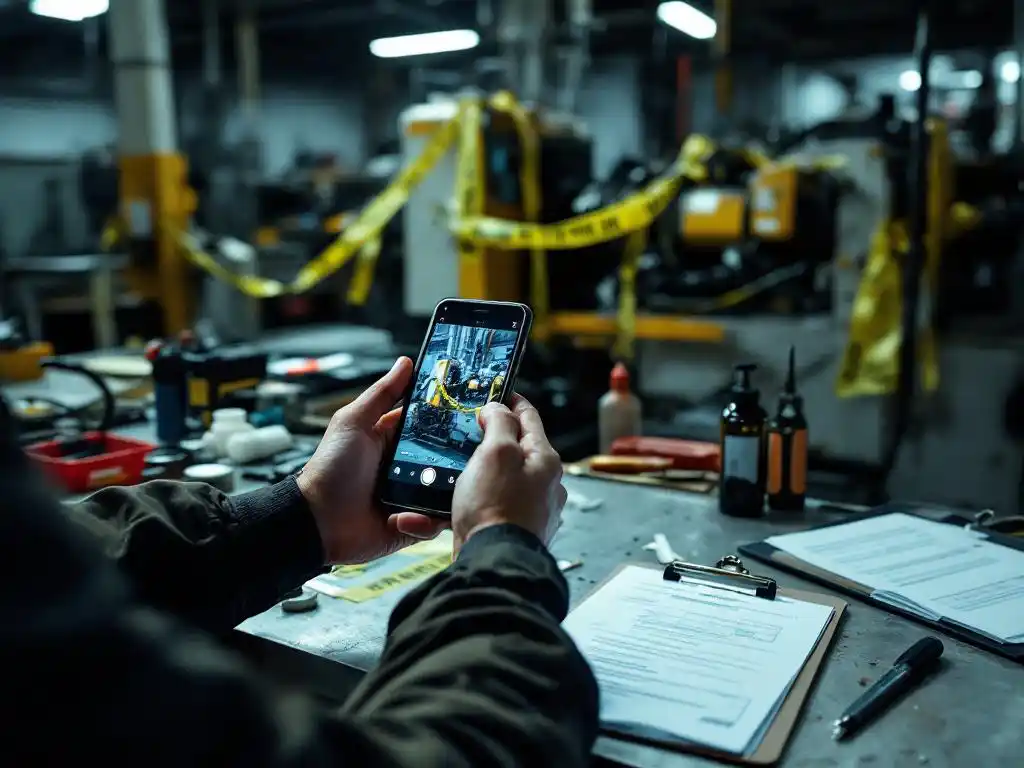
Preserving evidence after a workplace accident requires immediate action to collect photographs, witness statements, incident reports, and medical documentation. The quality and availability of evidence deteriorate rapidly, making swift documentation crucial for any potential compensation claim. Proper evidence preservation involves systematic documentation of the accident scene, gathering witness testimony, ensuring employer compliance with reporting obligations, and understanding legal timeframes for evidence collection.
What evidence should you collect immediately after a workplace accident?
The most critical evidence includes photographs of the accident scene, witness contact information and statements, medical documentation of injuries, physical evidence from the incident, and copies of all incident reports. This evidence forms the foundation of any potential legal claim and must be gathered while it is still fresh and accessible.
Photographs serve as your most powerful evidentiary tool. Take multiple images from different angles showing the accident location, any equipment involved, hazardous conditions, and visible injuries. Include wide shots for context and close-up images for detail. Capture environmental factors such as lighting, weather conditions, or obstacles that may have contributed to the accident.
Medical documentation creates an immediate link between the accident and your injuries. Seek medical attention promptly, even for seemingly minor injuries, as some conditions may not manifest symptoms immediately. Request copies of all medical reports, treatment records, and diagnostic tests. Keep detailed records of symptoms, pain levels, and how injuries affect your daily activities.
Physical evidence might include damaged equipment, torn clothing, safety gear, or substances involved in the accident. Preserve these items in their original condition when possible, or photograph them thoroughly if they cannot be retained. Document any safety equipment that failed or was missing during the incident.
How do you properly document a workplace accident scene?
Proper scene documentation involves systematic photography, detailed measurements, written descriptions of conditions, and comprehensive recording of all relevant environmental factors. Create a visual record that tells the complete story of what happened and why the accident occurred.
Begin with wide-angle photographs that show the entire accident area, then move to specific details. Measure distances between key elements such as obstacles, warning signs, or safety barriers. Use a tape measure or estimate distances by comparing them to known objects. Record the exact time, date, and weather conditions during documentation.
Create a detailed written description alongside your photographs. Note the sequence of events, describe any unusual conditions, and record conversations with supervisors or colleagues immediately after the incident. Include information about:
- Equipment condition and maintenance status
- Safety protocols that were or were not followed
- Environmental hazards present at the time
- The adequacy of training for the task being performed
- The presence or absence of safety equipment and warnings
Document any immediate changes made to the scene after the accident, as these modifications might indicate acknowledgment of hazardous conditions. Note if equipment is quickly repaired or replaced, or if new safety measures are immediately implemented.
Why is witness testimony so important in workplace accident cases?
Witness testimony provides independent verification of events, corroborates your account of the accident, and offers perspectives you might have missed during the incident. Witnesses can confirm safety violations, describe conditions leading to the accident, and verify the severity of injuries sustained.
Collect witness information immediately while memories remain fresh and accurate. Obtain full names, contact details, job titles, and their relationship to the incident. Ask witnesses to provide written statements describing what they observed, including events leading up to the accident, the incident itself, and the immediate aftermath.
Timing is crucial for witness testimony quality. Memories fade quickly, and workplace pressures might influence what colleagues are willing to say later. Approach witnesses privately when possible, as they may be more forthcoming without supervisors present. Ask open-ended questions that allow witnesses to describe events in their own words.
Document any statements made by supervisors or management at the scene, particularly admissions of fault or acknowledgments of safety failures. These contemporaneous statements often carry significant weight in legal proceedings, as they represent immediate reactions before careful consideration of liability implications.
What role does your employer play in preserving workplace accident evidence?
Employers have legal obligations to investigate workplace accidents, maintain detailed incident records, report serious injuries to relevant authorities, and preserve evidence related to the incident. However, their investigation priorities may differ from your compensation interests, making independent evidence collection essential.
Your employer must complete formal incident reports and conduct internal investigations. Request copies of all documentation they produce, including witness statements they collect, safety inspection reports, and any correspondence with insurance companies or regulatory bodies. These documents often contain valuable admissions or technical details supporting your claim.
Employers typically preserve physical evidence and may conduct their own photographic documentation. However, their evidence collection focuses on regulatory compliance and limiting liability rather than supporting employee compensation claims. Do not rely solely on employer documentation, as they may emphasize factors that minimize their responsibility.
Monitor whether your employer makes immediate changes to equipment, procedures, or safety measures following your accident. These remedial actions, while not admissions of guilt, can indicate recognition that improvements were necessary. Document any training sessions, safety meetings, or policy changes implemented after your incident.
How long do you have to gather evidence after a workplace accident?
Evidence collection should begin immediately, as physical evidence disappears, witnesses become unavailable, and memories fade within days or weeks of an incident. Legal time limits for filing compensation claims vary, but evidence quality deteriorates continuously from the moment of the accident.
Critical evidence has different preservation timeframes. Witness memories remain most accurate within the initial 24–48 hours. Physical evidence at accident scenes may be altered or removed within days as normal operations resume. Medical documentation must begin immediately to establish the connection between the accident and your injuries.
The following timeline shows evidence preservation urgency:
| Timeframe | Priority Evidence | Risk Level |
|---|---|---|
| First 24 hours | Scene photos, witness statements, medical records | Critical |
| First week | Incident reports, equipment inspection records | High |
| First month | Training records, safety documentation, expert assessments | Moderate |
Legal professionals can guide evidence collection strategies and ensure nothing crucial is overlooked. They understand which evidence carries the most weight in compensation claims and can help preserve testimony through formal statements when necessary. Calculate your potential compensation while evidence remains fresh and comprehensive.
Workplace accident evidence preservation requires immediate, systematic action across multiple areas. The combination of photographic documentation, witness testimony, medical records, and employer compliance creates the strongest foundation for any compensation claim. Do not delay evidence collection, as each passing day reduces the quality and availability of crucial information supporting your case. For professional guidance on preserving evidence and understanding your rights, contact our legal team for a free consultation to ensure your evidence collection strategy maximizes your potential compensation.
Frequently Asked Questions
What should I do if my employer refuses to provide copies of incident reports or other documentation?
You have legal rights to access workplace accident documentation. Contact a workplace injury attorney who can formally request these documents through legal channels. Document your employer’s refusal in writing and continue collecting independent evidence while pursuing access to official records.
How can I preserve evidence if I'm too injured to collect it myself immediately after the accident?
Ask trusted colleagues, family members, or friends to help document the scene and gather witness information on your behalf. Provide them with specific instructions about what to photograph and document. Focus your energy on obtaining medical care while others assist with evidence preservation.
What happens if witnesses are reluctant to provide statements due to fear of workplace retaliation?
Witnesses are legally protected from retaliation for providing truthful testimony about workplace accidents. A legal professional can explain these protections and may obtain formal statements through legal processes. Document any instances of intimidation or pressure from employers regarding witness cooperation.
Can I still build a strong case if physical evidence from the accident scene has been removed or altered?
Yes, other evidence can compensate for missing physical evidence. Witness testimony, photographs taken before alterations, medical records, and documentation of the employer’s remedial actions can still support your claim. The fact that evidence was quickly altered may actually strengthen your case.
How do I handle evidence collection when the accident involves multiple parties or contractors?
Document the involvement of all parties, including subcontractors, equipment manufacturers, or other employers present at the scene. Collect contact information for representatives from each company and photograph any equipment or materials they provided. Multiple parties may share liability, potentially increasing compensation options.
Would you like to share this article?

