 NL
NL ES
ES PL
PL TR
TR


 By:
By: 
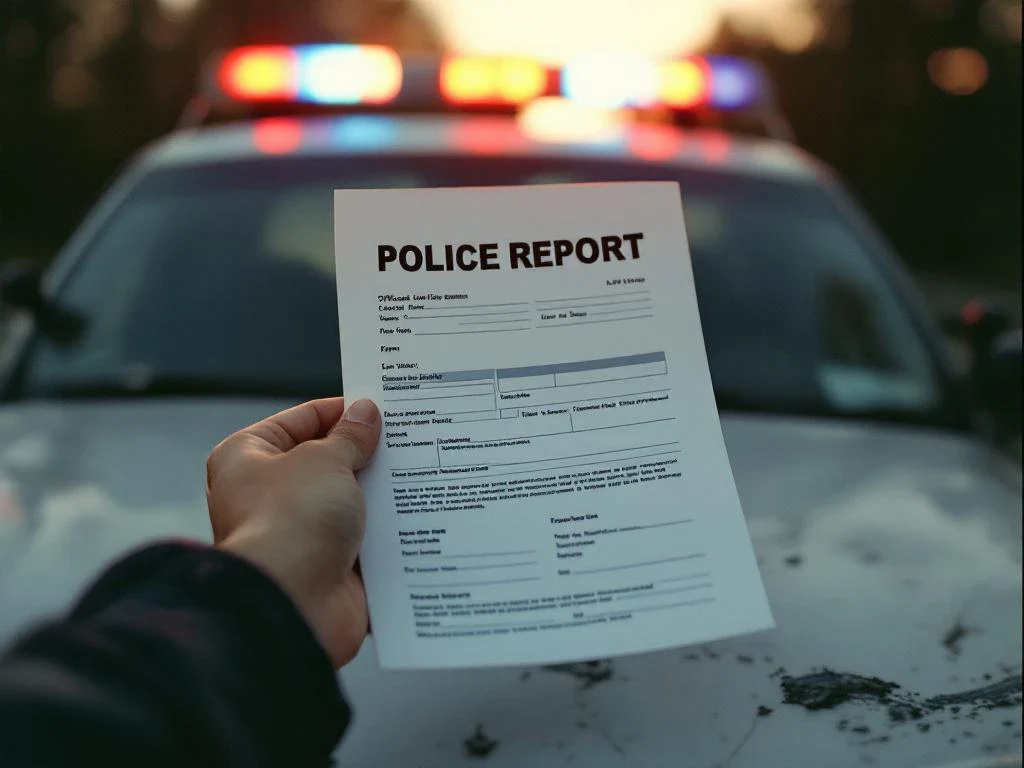
After a car accident, obtaining a police report is essential for insurance claims and legal proceedings. You can request your police report from the local police station that responded to the incident, typically within 5–10 working days after the accident. The process requires proper identification, specific incident details, and usually involves a small administrative fee. Car accident claims often depend heavily on this official documentation to establish fault and support compensation requests.
What is a police report and why do you need it after a car accident?
A police report is an official document created by responding officers that records the details of your traffic accident. It serves as crucial evidence for insurance companies and in legal proceedings because it provides an unbiased, professional account of what happened during the incident.
The report contains vital information, including the date, time, and location of the accident, descriptions of all vehicles involved, witness statements, and the officer’s preliminary assessment of fault. Insurance companies rely heavily on police reports when determining liability and processing claims, making this document essential for securing proper compensation.
Without a police report, proving fault becomes significantly more challenging. The document provides legal protection and credibility to your version of events, especially when dealing with disputed claims or uncooperative drivers. Even minor accidents benefit from official documentation, as injuries or vehicle damage may become apparent days after the incident.
How do you request a police report after being involved in a traffic accident?
You can obtain your police report by visiting the police station that responded to your accident or by submitting an online request through their website. Most Dutch municipalities require you to wait 5–10 working days after the incident before the report becomes available for collection.
To request your report, you’ll need to provide:
- Valid identification (passport, driving licence, or identity card)
- The exact date, time, and location of the accident
- The incident reference number (if provided at the scene)
- Names of other parties involved (if known)
- Administrative fee (typically €5–15, depending on the municipality)
Some police forces allow online applications, while others require in-person visits. Contact the relevant station directly to confirm their specific procedures and current processing times. If you were taken to hospital immediately after the accident, a family member or legal representative can collect the report on your behalf with proper authorisation.
What information should you expect to find in your accident police report?
Your police report will contain comprehensive details about the incident, including officer observations, statements from all parties involved, and witness accounts. The document typically spans several pages and provides both factual information and preliminary assessments.
| Section | Information Included |
|---|---|
| Incident Details | Date, time, location, weather conditions, road conditions |
| Parties Involved | Names, addresses, insurance details, vehicle information |
| Witness Information | Contact details and statements from independent witnesses |
| Officer Assessment | Preliminary fault determination, traffic violations noted |
| Damage Description | Vehicle damage details and injury reports |
The report includes diagrams showing vehicle positions, skid marks, and traffic flow direction. Officers also note any traffic violations, such as speeding, mobile phone use, or failure to yield. This information directly impacts insurance determinations and potential legal proceedings, making accuracy crucial for the success of your claim.
What should you do if the police report contains errors or missing information?
If you discover inaccuracies in your police report, contact the investigating officer or police station immediately to request corrections. Minor factual errors, such as incorrect vehicle colours or addresses, can often be amended through a supplementary report, but significant changes require additional evidence.
To challenge the report’s contents effectively:
- Document all errors clearly, with supporting evidence
- Gather additional witness statements or photographs
- Contact the investigating officer within 30 days of receiving the report
- Submit a formal correction request in writing
- Provide new evidence that contradicts the original findings
Incorrect police reports can significantly impact your insurance claim and potential compensation. Insurance companies often treat police reports as factual documents, so errors regarding fault determination or incident circumstances may result in denied claims or reduced settlements. If corrections aren’t possible through normal channels, you may need legal assistance to challenge the report’s findings.
Remember that police reports represent preliminary investigations, and additional evidence can sometimes override initial conclusions. Professional legal support becomes valuable when dealing with disputed reports, especially if the errors affect fault determination. Calculate your potential compensation and seek expert guidance to ensure your rights are properly protected throughout the claims process.
Frequently Asked Questions
How long does it typically take for a police report to be processed and made available?
Most Dutch police stations require 5-10 working days to process and finalize accident reports before they become available for collection. Complex accidents involving serious injuries or multiple vehicles may take longer, sometimes up to 2-3 weeks, as officers need additional time to complete thorough investigations and gather all necessary witness statements.
What happens if the other driver refuses to cooperate with police at the accident scene?
If another driver refuses to cooperate, police will still create a report based on available evidence, witness statements, and physical evidence at the scene. The non-cooperative driver’s refusal to provide statements or insurance information will be noted in the report, which can actually work in your favor when insurance companies assess fault and liability.
Can I use a police report for insurance claims even if no citations were issued?
Yes, police reports remain valuable for insurance claims even without traffic citations being issued. The report provides official documentation of the incident, witness statements, and officer observations about road conditions and vehicle damage. Insurance companies use this information to determine fault regardless of whether traffic violations were formally cited.
What should I do if I wasn't given an incident reference number at the accident scene?
If you don’t have an incident reference number, you can still request your police report using the exact date, time, and location of the accident along with your identification. Contact the responding police station directly with these details, and they can locate your report in their system using the incident information and parties involved.
Would you like to share this article?

