 NL
NL ES
ES PL
PL TR
TR


 By:
By: 
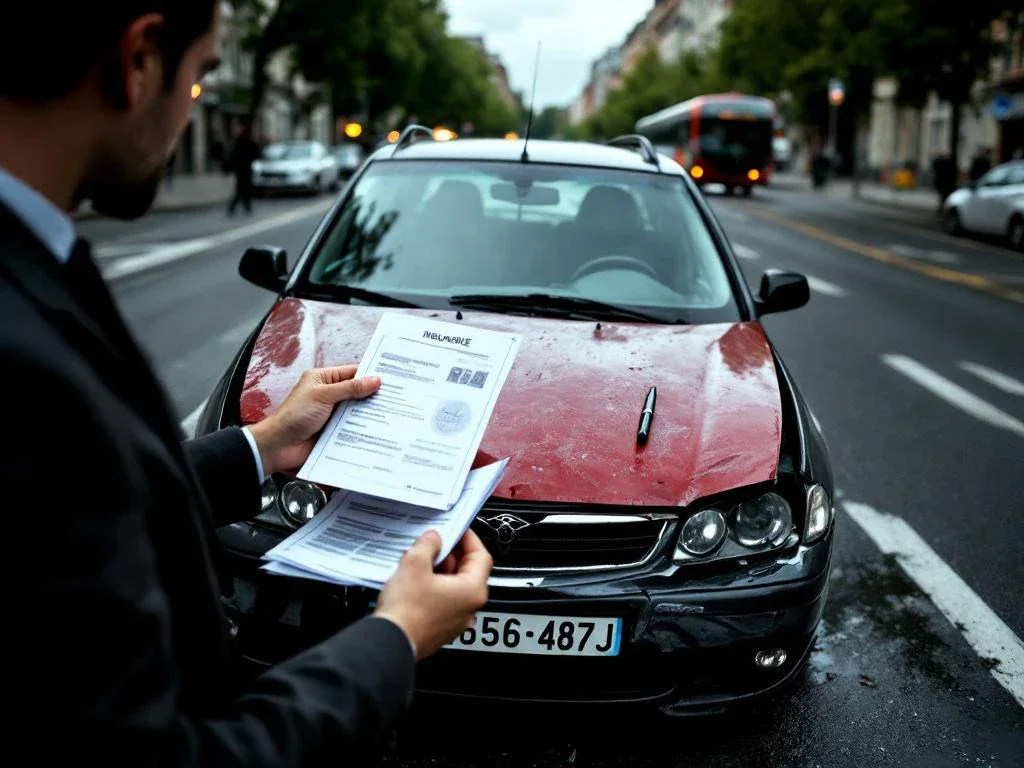
When a Belgian driver causes a car accident in the Netherlands, you have the same rights to compensation as with Dutch drivers. EU regulations ensure that cross-border accident claims are processed fairly, although additional documentation and longer processing times may apply. Understanding the specific procedures and insurance requirements helps ensure that you receive proper compensation for your injuries and damages.
What are your rights when hit by a Belgian driver in the Netherlands?
You have full rights to compensation when a Belgian driver causes an accident in the Netherlands. EU legislation ensures that foreign drivers carry valid insurance that covers accidents in other member states. The liable driver’s Belgian insurance must handle your claim in accordance with Dutch compensation standards and legal frameworks.
Your rights include compensation for medical expenses, lost income, pain and suffering, and property damage. The Belgian driver’s insurance company must appoint a claims representative in the Netherlands or handle your claim directly. This ensures that you can pursue compensation without travelling to Belgium or navigating foreign legal systems.
The EU Motor Insurance Directive guarantees that all vehicles from EU countries carry minimum insurance coverage that remains valid throughout the European Union. This means Belgian drivers cannot avoid liability simply because they are foreign nationals. The insurance coverage must meet Dutch minimum requirements when driving in the Netherlands.
Time limits for filing claims remain the same as for domestic accidents—typically three years from the date of the accident. However, gathering documentation may take longer with foreign drivers, so beginning the claims process promptly protects your rights and ensures the preservation of evidence.
How does insurance work when a Belgian driver causes an accident?
Belgian insurance operates through established EU frameworks that facilitate cross-border claims processing. The Belgian driver’s insurer must either handle your claim directly or appoint a claims representative in the Netherlands within specific timeframes set by EU regulations.
Most Belgian insurers participate in international settlement networks that streamline cross-border accident claims. These systems allow Dutch legal professionals to communicate directly with Belgian insurance companies using standardised procedures and documentation requirements.
When Belgian insurance companies fail to respond appropriately, guarantee funds provide backup coverage. The Dutch Motor Traffic Guarantee Fund can step in to ensure compensation when foreign insurers become uncooperative or insolvent. This safety net protects accident victims from losing compensation due to insurance complications.
The following documentation requirements apply to Belgian insurance claims:
- Belgian driver’s insurance certificate and policy details
- European Accident Statement, if completed at the scene
- Official police report with both drivers’ information
- Medical records and treatment documentation
- Proof of income and financial losses
What documentation do you need for a claim against a Belgian driver?
Cross-border accident claims require additional documentation beyond standard domestic accident paperwork. You need the Belgian driver’s full insurance details, including their insurer’s name, policy number, and contact information for their Dutch claims representative.
Police reports become particularly important in international cases, as they provide official documentation that both insurance companies and legal systems recognise. Ensure that the police report includes complete details about both vehicles, drivers’ information, and the circumstances surrounding the accident.
Medical documentation must be thorough and properly translated if it is submitted to Belgian authorities. Keep detailed records of all medical treatments, prescriptions, and healthcare provider statements. This documentation supports your compensation claim and helps establish the extent of your injuries.
The following table outlines essential documentation for claims involving Belgian drivers:
| Document Type | Purpose | Special Requirements |
|---|---|---|
| Insurance Certificate | Verify coverage validity | Must show EU-wide coverage |
| European Accident Statement | Standardised accident details | Available in multiple languages |
| Police Report | Official accident documentation | Include all driver details |
| Medical Records | Prove extent of injuries | Translation may be required |
Why might claiming from a Belgian driver be more complex than domestic accidents?
International claims involve additional administrative steps and potential communication barriers that can extend processing times. Different legal systems, language requirements, and cross-border coordination create complexity that is not present in domestic accident claims.
Belgian insurance companies may be unfamiliar with Dutch compensation standards and legal requirements. This unfamiliarity can lead to initial settlement offers that fall short of appropriate compensation levels. Professional legal assistance becomes particularly valuable in ensuring that foreign insurers understand their obligations under Dutch law.
Communication delays often occur when dealing with foreign insurance companies. Time zone differences, language barriers, and different business practices can slow down claim processing. Document translation requirements may also extend timelines and increase administrative complexity.
Some Belgian insurers may attempt to apply Belgian compensation standards rather than Dutch standards, potentially reducing your settlement. Understanding that Dutch compensation rules apply when accidents occur in the Netherlands protects you from accepting inadequate settlements based on foreign compensation frameworks.
Professional legal assistance is particularly valuable in international accident cases, ensuring proper documentation, appropriate compensation standards, and effective communication with foreign insurance companies. Whether you are dealing with minor injuries or serious trauma, having experienced legal support helps you navigate the additional complexities of cross-border claims and maximises your compensation potential. Consider using our damages calculator to estimate your potential compensation, and contact us for personalised guidance on your international accident claim.
Frequently Asked Questions
What happens if the Belgian driver's insurance company refuses to cooperate or respond to my claim?
If a Belgian insurer becomes uncooperative, the Dutch Motor Traffic Guarantee Fund can step in to ensure you receive compensation. You can also escalate the matter through EU regulatory channels or seek legal assistance to force compliance with cross-border insurance obligations.
How long does it typically take to resolve a claim against a Belgian driver compared to a Dutch driver?
Claims against Belgian drivers usually take 2-6 months longer than domestic claims due to cross-border coordination, document translation requirements, and communication delays. Starting your claim promptly and maintaining organized documentation helps minimize processing delays.
What should I do immediately at the accident scene when the other driver is Belgian?
Collect the Belgian driver’s insurance certificate, complete a European Accident Statement if available, take photos of both vehicles and license plates, and ensure police are called to create an official report with complete driver details from both countries.
Can I choose to have my claim handled under Belgian law instead of Dutch law if it might be more favorable?
No, accidents occurring in the Netherlands must be handled according to Dutch compensation standards and legal frameworks, regardless of the driver’s nationality. This ensures consistent protection for all accident victims within Dutch territory.
Would you like to share this article?

