 NL
NL ES
ES PL
PL TR
TR


 By:
By: 
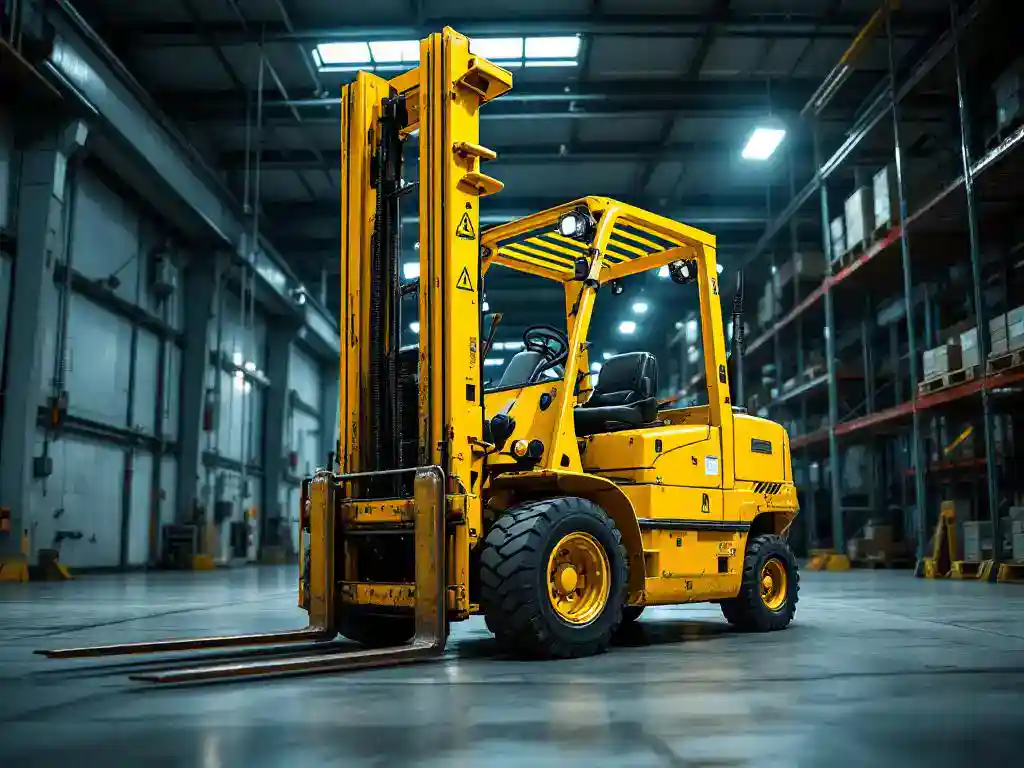
Yes, employers are typically liable for forklift accidents that occur in the workplace under the principle of vicarious liability and their legal duty of care. This responsibility stems from workplace safety obligations and the employer–employee relationship. However, liability can vary depending on circumstances such as proper safety protocols, employee conduct, and the provision of adequate training.
What makes an employer legally responsible for forklift accidents at work?
Employers bear legal responsibility for workplace accidents involving forklifts due to their fundamental duty of care towards employees. This obligation requires employers to provide a safe working environment, proper equipment maintenance, and adequate safety measures to prevent accidents.
The concept of vicarious liability makes employers responsible for accidents that occur during the course of employment, even when they are not directly at fault. This legal principle recognises that employers benefit from their employees’ work and should therefore bear responsibility for workplace-related incidents.
Several factors establish employer liability in forklift accidents:
- Failure to maintain equipment in safe working condition
- Inadequate safety protocols or procedures
- Insufficient training or supervision of forklift operators
- Poor workplace design or hazardous working conditions
- Failure to conduct regular safety inspections
Employers must also comply with health and safety regulations, which include specific requirements for forklift operation, maintenance schedules, and operator certification. Breaching these statutory duties can strengthen the case for employer liability in accident claims.
When is an employer not liable for a forklift accident in the workplace?
Employer liability may be limited or excluded when employees act outside the scope of their employment, deliberately violate safety protocols, or when third parties cause the accident. However, complete exemption from liability is relatively rare due to the employer’s overarching duty of care.
Circumstances that may reduce or eliminate employer liability include:
| Scenario | Employer Liability | Key Factors |
|---|---|---|
| Employee misconduct | Potentially reduced | Deliberate rule violations, unauthorised use |
| Third-party involvement | Shared or transferred | External contractors, equipment defects |
| Proper protocols followed | Potentially reduced | Comprehensive training, maintained equipment |
| Employee intoxication | Potentially eliminated | Alcohol or drug impairment during work |
Contributory negligence may also affect liability outcomes. If an employee’s own negligent actions contributed to the accident, compensation may be reduced proportionally. However, this does not necessarily eliminate the employer’s responsibility entirely.
Even when employees make errors, employers may still face liability if they failed to provide adequate training, supervision, or safety measures that could have prevented the accident. Courts typically examine whether the employer took reasonable steps to ensure workplace safety.
What evidence is needed to prove employer liability in a forklift accident case?
Proving employer liability requires comprehensive documentation demonstrating negligence in safety obligations. Key evidence includes training records, maintenance logs, safety protocols, witness statements, and accident reports that establish the employer’s failure to provide adequate workplace safety measures.
Essential evidence categories for establishing employer liability include:
- Training documentation – Records of forklift operator certification, safety training completion, and ongoing education programmes
- Equipment maintenance logs – Service records, inspection reports, and repair histories showing equipment condition
- Safety protocols – Written procedures, risk assessments, and workplace safety policies
- Witness statements – Accounts from colleagues, supervisors, and other personnel present during the incident
- Accident reports – Official incident documentation, photographs of the scene, and immediate response records
- Workplace conditions – Evidence of hazards, inadequate lighting, poor signage, or dangerous layouts
Medical records documenting the extent of injuries and their impact on the victim’s life are also crucial for determining compensation levels. Expert testimony may be required to establish the connection between employer negligence and the resulting accident.
Preserving evidence immediately after an accident is vital. This includes taking photographs, securing witness contact information, and ensuring official reports are filed promptly. A professional legal assessment can help identify the most relevant evidence for building a strong case.
How does workplace safety training affect employer liability for forklift accidents?
Adequate safety training can significantly reduce employer liability by demonstrating compliance with duty of care obligations. Conversely, inadequate or absent training strengthens liability claims, as employers must ensure all forklift operators receive proper certification and ongoing safety education to prevent workplace accidents.
Training requirements that impact liability include:
- Initial forklift operator certification covering equipment operation, safety procedures, and hazard recognition
- Regular refresher training to maintain skills and update safety knowledge
- Site-specific training addressing unique workplace hazards and conditions
- Supervision and evaluation of new operators until competency is established
- Documentation of all training activities and assessments
Employers who provide comprehensive training programmes with proper documentation demonstrate their commitment to workplace safety. This evidence can help defend against liability claims by showing that reasonable care was taken to prevent accidents.
However, training alone may not eliminate liability if other safety failures contributed to the accident. Employers must also maintain equipment properly, provide safe working conditions, and ensure ongoing compliance with safety protocols.
The quality and relevance of training also matter. Generic training that does not address specific workplace hazards may be insufficient to protect employers from liability claims. Regular updates and practical assessments help ensure training remains effective and current.
If you have been injured in a workplace accident involving a forklift, whether due to minor or severe injuries, professional legal guidance can help you understand your rights and potential compensation. We provide completely free legal assistance to accident victims, with our fees paid directly by the liable party’s insurer. Contact us for a no-obligation consultation to discuss your case and explore your options for securing the compensation you deserve.
Frequently Asked Questions
What should I do immediately after a forklift accident at work to protect my legal rights?
Report the accident to your supervisor immediately and seek medical attention, even for minor injuries. Document the scene with photographs, collect witness contact information, and ensure an official accident report is filed. Keep copies of all medical records and correspondence related to the incident.
How long do I have to file a claim for a workplace forklift accident?
Time limits for filing claims vary by jurisdiction, but most personal injury claims must be initiated within 2-3 years of the accident date. However, it’s advisable to seek legal advice as soon as possible to preserve evidence and protect your rights throughout the claims process.
Can I claim compensation if I was partially at fault for the forklift accident?
Yes, you may still be entitled to compensation even if you contributed to the accident through contributory negligence. Your compensation amount may be reduced proportionally based on your level of fault, but employer liability often remains if they failed to provide adequate safety measures.
What types of compensation can I receive for a workplace forklift accident injury?
Compensation typically covers medical expenses, lost wages, pain and suffering, and future care costs. You may also receive compensation for permanent disability, reduced earning capacity, and rehabilitation expenses. The exact amount depends on injury severity and impact on your life.
Will my employer's insurance company try to minimize my compensation claim?
Insurance companies often attempt to reduce payouts by disputing liability, downplaying injury severity, or pressuring for quick settlements. Having professional legal representation helps ensure you receive fair compensation and prevents insurers from taking advantage of your situation during negotiations.
Would you like to share this article?

