 NL
NL ES
ES PL
PL TR
TR


 By:
By: 
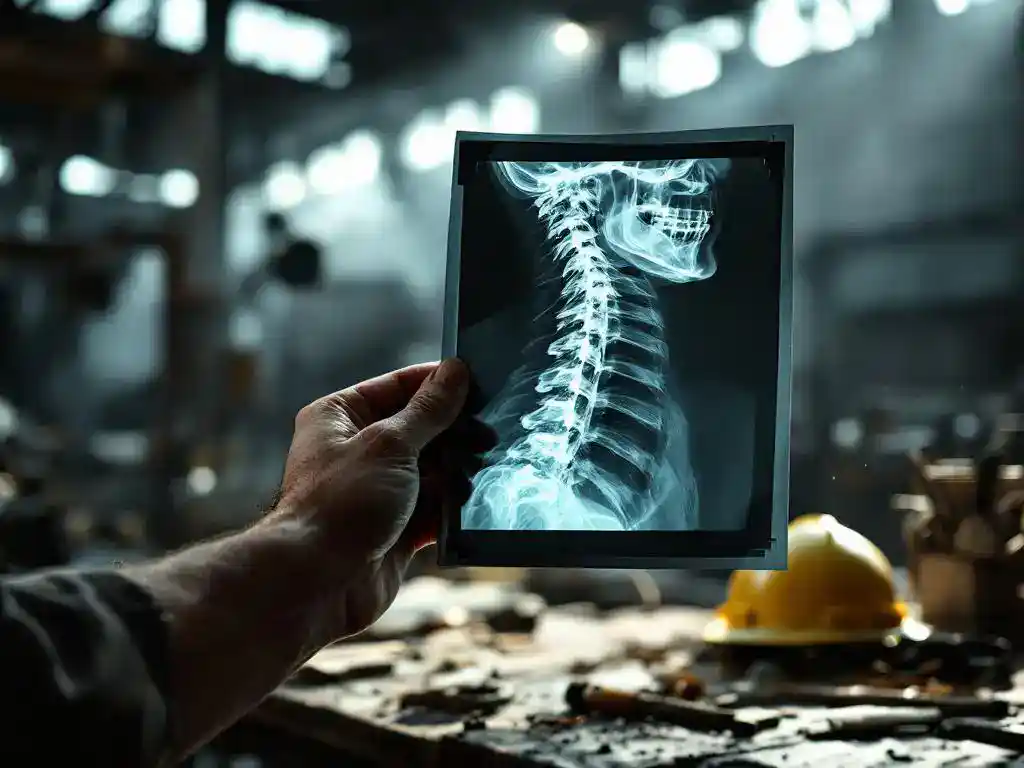
Proving permanent injury after a workplace accident requires comprehensive medical documentation and expert assessments to establish the lasting nature of your condition. The process involves gathering specialist reports, diagnostic imaging, functional evaluations, and detailed records showing how the injury permanently affects your daily life and work capacity. This evidence forms the foundation for securing appropriate compensation.
What medical evidence is needed to prove permanent injury from a workplace accident?
Medical evidence for permanent injury claims must include comprehensive documentation from multiple sources that clearly establishes the lasting nature of your condition. Essential documentation comprises specialist medical reports, diagnostic imaging results, functional capacity evaluations, and detailed treatment records spanning the entire recovery period.
Specialist medical reports form the cornerstone of permanent injury claims. These detailed assessments from consultants in relevant fields provide expert opinions on the nature, extent, and permanency of your injuries. The reports should include prognosis statements, treatment outcomes, and clear explanations of why the injury is considered permanent rather than temporary.
Diagnostic imaging provides objective evidence of structural damage or changes in your body. This includes:
- X-rays showing bone damage or arthritis
- MRI scans revealing soft tissue injuries, nerve damage, or spinal problems
- CT scans demonstrating internal injuries or complications
- Ultrasound results indicating ongoing tissue damage
Functional capacity evaluations assess your physical abilities compared to pre-accident levels. These comprehensive assessments measure strength, mobility, endurance, and specific work-related tasks to quantify the permanent limitations resulting from your workplace accident.
Treatment records must demonstrate the progression from the initial injury through maximum medical improvement. This includes hospital records, physiotherapy notes, medication prescriptions, and any ongoing treatment requirements that indicate permanent rather than temporary impairment.
How do you document the impact of permanent injury on your daily life and work capacity?
Documenting the impact of permanent injury requires systematic recording of functional limitations, pain levels, activity restrictions, and specific examples of how the injury affects your employment capabilities and quality of life. This documentation supports the medical evidence with real-world proof of permanent impairment.
A detailed pain and symptom diary provides crucial evidence of ongoing issues. Record daily pain levels, specific activities that trigger symptoms, medications required, and how symptoms fluctuate over time. This demonstrates the persistent nature of your condition and its impact on normal activities.
Work capacity documentation should include specific examples of tasks you can no longer perform, modifications needed to continue working, and any career limitations imposed by your permanent injury. Obtain statements from employers, colleagues, or occupational health professionals who can verify these limitations.
| Documentation Type | Key Elements | Purpose |
|---|---|---|
| Daily Activity Log | Tasks affected, assistance needed, modifications required | Shows real-world impact on independence |
| Employment Records | Sick leave, reduced hours, role changes, earnings loss | Demonstrates financial and career consequences |
| Personal Statements | Specific examples of limitations, emotional impact | Provides human context to medical evidence |
Photographic and video evidence can powerfully illustrate functional limitations. Document assistive devices you now require, modifications made to your home or workplace, and visual evidence of ongoing physical effects such as scarring, swelling, or mobility restrictions.
What role do medical specialists play in proving permanent workplace injury?
Medical specialists provide expert opinions that establish the permanent nature of workplace injuries through detailed assessments, diagnostic interpretations, and professional judgments about long-term prognosis. Different specialists contribute specific expertise depending on the type and location of your injuries.
Orthopaedic surgeons assess musculoskeletal injuries involving bones, joints, muscles, and tendons. They determine whether fractures have healed properly, assess joint function, identify arthritis development, and evaluate the need for ongoing treatment or surgical intervention. Their reports establish permanent physical limitations and future medical requirements.
Neurologists evaluate nerve damage, brain injuries, and spinal cord problems resulting from workplace accidents. They conduct specialized tests to assess nerve function, cognitive abilities, and neurological symptoms that may not be immediately apparent but represent permanent impairment.
Occupational therapists assess how permanent injuries affect your ability to perform work-related tasks and daily activities. They evaluate fine motor skills, cognitive function, and adaptation strategies, providing practical insights into long-term functional limitations.
Independent medical examiners provide objective assessments when disputes arise about the permanency of injuries. These specialists review all medical evidence, conduct their own examinations, and provide unbiased opinions about the extent and permanency of workplace injuries.
Pain management specialists contribute expertise when chronic pain becomes a permanent consequence of workplace accidents. They assess pain levels, treatment effectiveness, and the likelihood of long-term pain management requirements, establishing the permanent nature of pain-related disabilities.
How long does the permanent injury assessment process take after a workplace accident?
The permanent injury assessment process typically takes 12–24 months after a workplace accident, though complex cases may require longer periods. The timeline depends on injury severity, treatment response, and the time needed to reach maximum medical improvement, which is the point where further recovery is unlikely.
Maximum medical improvement usually occurs 6–18 months after the initial workplace accident, depending on the type and severity of injuries. This milestone is crucial because permanent injury assessments cannot be accurately completed until medical professionals determine that your condition has stabilized and further improvement is unlikely.
Several factors influence the assessment duration. Complex injuries involving multiple body systems require longer evaluation periods. Cases requiring multiple specialist opinions, extensive diagnostic testing, or ongoing treatment trials extend the timeline. Legal proceedings may also influence timing, as comprehensive evidence gathering takes time.
The assessment process involves multiple appointments with different specialists, each requiring several weeks to arrange. Diagnostic tests must be scheduled and results interpreted. Functional capacity evaluations require multiple sessions to ensure accurate assessment of permanent limitations.
Early permanent injury assessments may underestimate the true extent of lasting impairment, potentially affecting compensation amounts. Conversely, delayed assessments can impact your financial stability during recovery. Professional legal guidance helps balance these timing considerations to ensure optimal outcomes.
Understanding the permanent injury assessment process empowers you to prepare comprehensive evidence and manage expectations about timelines. Whether dealing with minor or severe injuries from workplace accidents, professional legal support ensures proper documentation and fair compensation. Our team provides free consultations to evaluate your case and guide you through the complex process of proving permanent injury. Contact us today for expert assistance with your workplace accident claim.
Frequently Asked Questions
What happens if my workplace injury seems permanent but medical specialists disagree about the extent?
When specialists have conflicting opinions, seek a second independent medical examination from a different expert in the same field. Document all specialist opinions and consider requesting a multidisciplinary assessment team evaluation. Your legal representative can help coordinate additional expert opinions to establish a clearer consensus on the permanent nature and extent of your injuries.
How do I prove permanent injury if my symptoms are invisible, like chronic pain or cognitive issues?
Invisible permanent injuries require detailed documentation through pain diaries, cognitive testing results, and statements from family members or colleagues who observe changes in your behavior or abilities. Neuropsychological assessments, pain management specialist reports, and functional capacity evaluations provide objective evidence of limitations that aren’t physically visible but significantly impact your daily life.
What should I do if my employer disputes that my workplace injury is permanent?
Gather comprehensive medical evidence from multiple specialists and maintain detailed records of your ongoing symptoms and limitations. Consider obtaining an independent medical examination and ensure all treatment records clearly document the permanent nature of your condition. Professional legal assistance becomes crucial when employers dispute permanent injury claims to protect your rights and compensation.
Can a permanent injury assessment change over time, and how does this affect my compensation?
Permanent injury assessments can be reviewed if your condition significantly worsens or if new complications develop related to the original workplace accident. However, improvements in your condition don’t typically reduce already-awarded compensation. Keep detailed records of any changes in your condition and consult legal professionals about potential reassessment implications for your case.
Would you like to share this article?

