 NL
NL ES
ES PL
PL TR
TR


 By:
By: 
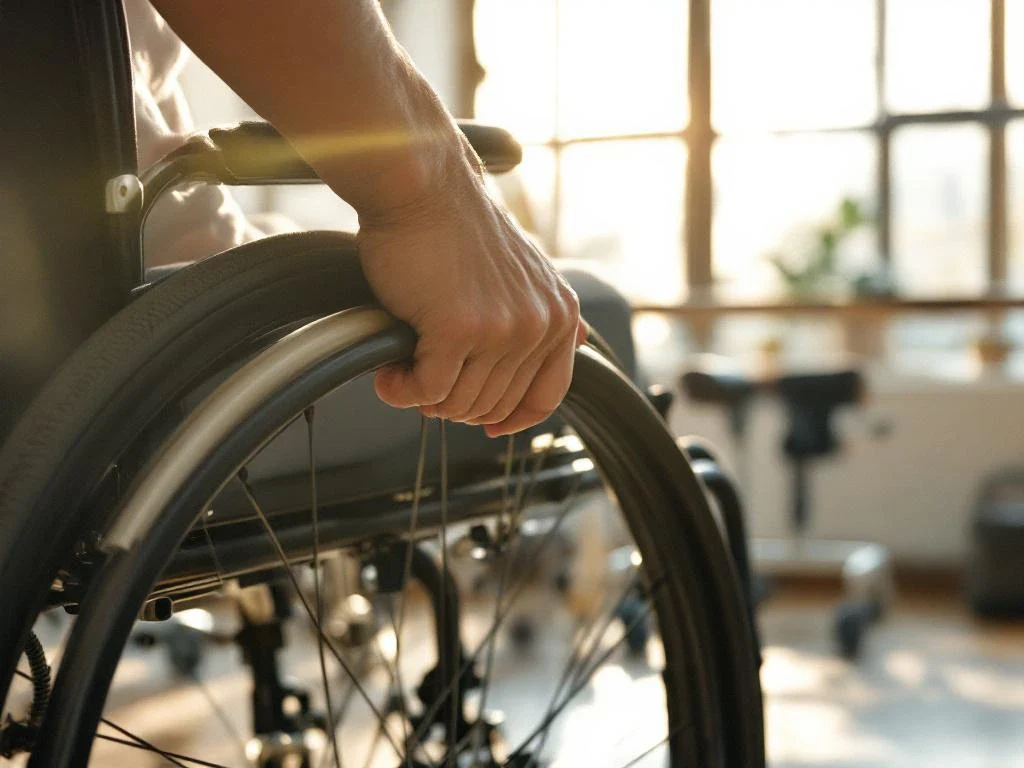
Being hit by a car can result in severe long-term consequences that extend far beyond the initial injuries. Victims often face chronic pain, psychological trauma, mobility limitations, and significant financial hardships that can persist for years. Understanding these lasting effects is crucial for anyone involved in a pedestrian-vehicle collision, as proper legal support can help secure compensation for both immediate and future damages.
What immediate injuries occur when someone is hit by a car?
Pedestrian-vehicle collisions typically cause multiple types of immediate injuries, including fractures, head trauma, soft tissue damage, and internal bleeding. The severity depends on impact speed, vehicle size, and how the person lands after being struck.
Bone fractures are extremely common, particularly in the legs, pelvis, and ribs where initial vehicle contact occurs. These breaks often require surgical intervention and lengthy recovery periods. Head injuries range from concussions to traumatic brain injuries, especially when victims strike the windscreen or road surface.
Soft tissue injuries affect muscles, ligaments, and tendons throughout the body. Internal injuries may include organ damage, internal bleeding, and spinal cord trauma that might not be immediately apparent. The combination of these injuries creates a complex medical situation requiring comprehensive treatment.
- Lower extremity fractures (legs, ankles, feet)
- Pelvic and hip injuries from initial impact
- Head trauma ranging from mild to severe
- Spinal injuries affecting mobility
- Internal organ damage requiring emergency surgery
How do car accident injuries affect victims months and years later?
Many car accident injuries develop into chronic conditions that significantly impact daily life months or years after the initial incident. Chronic pain, reduced mobility, cognitive difficulties, and permanent disabilities are common long-term consequences that require ongoing medical care.
Chronic pain conditions often develop from inadequately healed fractures, nerve damage, or soft tissue injuries. This persistent pain can limit physical activity, affect sleep quality, and reduce overall life satisfaction. Many victims require long-term pain management strategies, including medication, physiotherapy, and lifestyle modifications.
Mobility limitations frequently result from bone and joint injuries that do not heal properly. Some victims develop arthritis in affected joints or experience a reduced range of motion. Spinal injuries can cause permanent paralysis or weakness, affecting independence and quality of life.
Cognitive impairments from head injuries may include memory problems, difficulty concentrating, and reduced processing speed. These issues can persist for years and significantly impact work performance and personal relationships.
| Type of Long-term Effect | Common Symptoms | Duration |
|---|---|---|
| Chronic Pain | Persistent aching, stiffness, limited movement | Months to lifelong |
| Mobility Issues | Limping, weakness, reduced flexibility | 6 months to permanent |
| Cognitive Problems | Memory loss, concentration difficulties | 1–2 years or longer |
What psychological trauma develops after being struck by a vehicle?
Psychological trauma following pedestrian accidents commonly includes post-traumatic stress disorder, anxiety, depression, and specific phobias related to traffic situations. These mental health impacts can be as debilitating as physical injuries and often require professional treatment.
Post-traumatic stress disorder (PTSD) affects many accident victims, causing flashbacks, nightmares, and severe anxiety when exposed to traffic situations. Victims may experience panic attacks when crossing streets or hearing approaching vehicles, significantly limiting their daily activities.
Depression frequently develops as victims struggle with physical limitations, chronic pain, and lifestyle changes. The loss of independence and the ability to participate in previously enjoyed activities can lead to feelings of hopelessness and social isolation.
Specific phobias often centre around traffic situations, making it difficult for victims to walk near roads, cross streets, or even travel as passengers. This can severely impact employment opportunities and social relationships, creating a cycle of isolation and anxiety.
Sleep disturbances are common, with many victims experiencing insomnia, nightmares, or hypervigilance that prevents restful sleep. These sleep issues can worsen both physical recovery and mental health symptoms.
How does a car accident impact your ability to work and earn income?
Car accident injuries frequently result in immediate work disruption and long-term career limitations that significantly reduce earning capacity. Many victims face job loss, reduced working hours, or the need to change careers entirely due to physical or cognitive limitations.
Immediate work disruption occurs when injuries prevent victims from performing their job duties. Extended hospital stays, multiple surgeries, and rehabilitation requirements can keep people away from work for months. Even desk-based jobs may become impossible if cognitive functions are affected.
Long-term career impacts often involve permanent restrictions on physical activities, reduced stamina, or cognitive limitations that affect job performance. Construction workers, healthcare professionals, and others in physically demanding roles may be unable to return to their previous positions.
Reduced earning capacity affects not only current income but also future financial security. Victims may need to accept lower-paying positions that accommodate their limitations or work reduced hours due to fatigue and medical appointments.
The financial consequences extend beyond lost wages to include increased medical expenses, rehabilitation costs, and the potential need for long-term care or assistance with daily activities.
The long-term effects of being hit by a car can be life-altering, affecting every aspect of a victim’s physical, mental, and financial well-being. These consequences often continue long after initial medical treatment ends, requiring ongoing support and compensation. If you’ve been involved in a pedestrian accident, it’s essential to understand your rights and seek appropriate legal guidance. Professional legal assistance can help ensure you receive fair compensation for both current and future damages. For personalised advice about your situation, consider using a damages calculator to better understand potential compensation levels.
Frequently Asked Questions
What should I do immediately after being hit by a car to protect my legal rights?
Seek immediate medical attention even if injuries seem minor, as some conditions develop over time. Document the scene with photos, collect witness information, and obtain the driver’s insurance details. Contact a personal injury lawyer as soon as possible to preserve evidence and protect your compensation rights.
How long do I have to file a compensation claim after a pedestrian accident?
The time limit for filing a claim varies by jurisdiction but is typically between 1-3 years from the accident date. However, it’s crucial to start the legal process immediately, as evidence can disappear and witness memories fade over time.
What types of compensation can I claim for long-term effects of being hit by a car?
Compensation can include medical expenses, lost wages, future earning capacity, pain and suffering, rehabilitation costs, and ongoing care needs. You may also claim for psychological treatment, home modifications, and reduced quality of life due to permanent disabilities.
How do insurance companies calculate compensation for permanent disabilities from pedestrian accidents?
Insurance companies consider medical reports, expert assessments of disability levels, impact on earning capacity, and life expectancy. They evaluate ongoing treatment needs, care requirements, and quality of life changes. Having proper legal representation ensures fair assessment of these complex calculations.
What if the driver who hit me doesn't have insurance or fled the scene?
You may still have options through uninsured motorist coverage, government victim compensation schemes, or your own insurance policies. A personal injury lawyer can explore all available sources of compensation and help navigate these complex situations.
Would you like to share this article?

