 NL
NL ES
ES PL
PL TR
TR


 By:
By: 
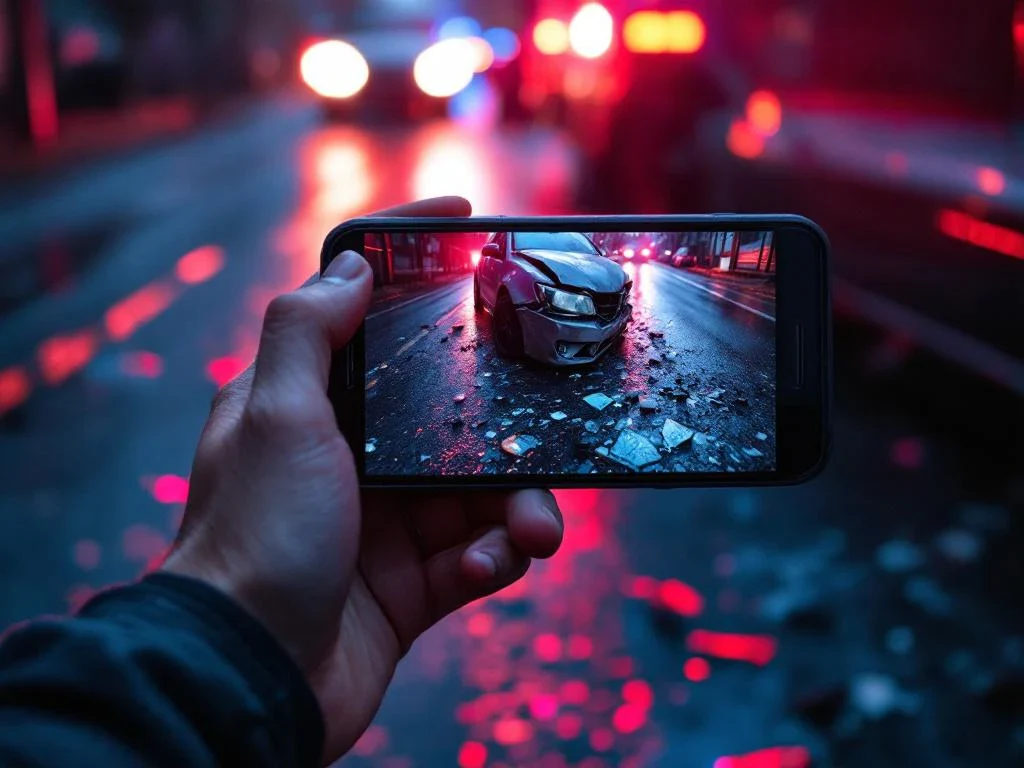
Collecting evidence after being hit by a car requires immediate action to preserve crucial information for your compensation claim. Start by ensuring safety, documenting the scene with photos, gathering witness details, and obtaining official reports. Proper evidence collection strengthens your position when seeking car accident compensation, whether for minor injuries or serious trauma. Both minor and severe injuries warrant professional legal support to secure maximum settlement amounts.
What should you do immediately after being hit by a car?
Move to safety if possible, call emergency services, and begin documenting the scene while details remain fresh. Your immediate actions determine the quality of evidence available for your claim. Even with minor injuries, these steps protect your legal rights and financial recovery.
Check yourself and others for injuries, then move away from traffic if you can do so safely. Call 999 for emergency services if anyone requires medical attention or if the accident has caused significant damage. Even if injuries seem minor initially, adrenaline can mask pain and symptoms may develop later.
Start collecting basic information immediately while waiting for the police or emergency services. Take photos of vehicle positions before they are moved, note weather conditions, and exchange contact details with other drivers involved. This initial documentation becomes the foundation of your evidence collection.
Avoid admitting fault or discussing blame at the scene. Stick to factual observations about what happened. Insurance companies will investigate fault determination based on evidence, not roadside conversations that may be taken out of context later.
What types of evidence are most important for your car accident claim?
Photographic evidence, witness statements, medical records, and official police reports form the cornerstone of successful compensation claims. Each type serves a specific purpose in proving liability and demonstrating the impact on your life. Comprehensive documentation significantly strengthens your negotiating position with insurance companies.
Visual evidence includes photos of vehicle damage, road conditions, traffic signs, and any visible injuries. These images capture details that memories may forget and provide objective proof of the circumstances of the accident. Take multiple angles and include wide shots showing the overall scene context.
Medical documentation proves the extent and nature of your injuries. This includes ambulance reports, hospital records, GP visits, physiotherapy notes, and any ongoing treatment plans. Keep detailed records of all medical appointments and how your injuries affect your daily activities.
The following evidence types carry significant weight in compensation claims:
- Immediate scene photographs showing vehicle positions and damage
- Independent witness contact details and statements
- Official police incident reports with fault determinations
- Complete medical records documenting all injuries and treatments
- Employment records showing time off work and lost earnings
- Receipts for accident-related expenses and travel costs
How do you properly document the accident scene?
Take comprehensive photos from multiple angles, including wide shots of the entire scene and close-ups of specific damage. Document road conditions, weather, traffic signals, and any relevant signage. Proper scene documentation provides strong evidence of the circumstances of the accident and any contributing factors.
Start with wide-angle shots showing the overall accident scene, including vehicle positions, road layout, and the surrounding environment. Capture the relationship between vehicles and any relevant road markings, signs, or traffic control devices that may have influenced the collision.
Focus on specific damage to all vehicles involved, photographing each area of impact from multiple angles. Include shots of number plates, and take photos inside vehicles if relevant to show deployed airbags or damage to safety equipment.
Document environmental factors that may have contributed to the accident. This includes road surface conditions, visibility, construction zones, or any obstacles that may have affected driver behaviour or vehicle control.
Why are witness statements crucial for your case?
Independent witnesses provide objective accounts of the events of the accident, supporting your version of what happened and helping establish fault. Their testimony carries significant weight because they have no financial interest in the outcome. Witness statements often resolve disputes between conflicting driver accounts.
Approach potential witnesses politely and ask if they saw what happened. Many people are willing to help but may leave the scene quickly if not approached promptly. Collect their full names, contact numbers, and a brief written or recorded statement about what they observed.
Focus on witnesses who had a clear view of the accident and were not directly involved. Passengers in your vehicle can provide statements, but independent observers typically carry more credibility with insurance companies and in legal proceedings.
Ask witnesses to describe what they saw in their own words, including vehicle speeds, traffic light colours, and driver behaviour before impact. Even seemingly minor details can become important when determining fault and liability.
What role does the police report play in evidence collection?
Police reports provide official documentation of the circumstances of the accident, including officer observations about fault and contributing factors. These reports carry significant weight with insurance companies and often influence settlement negotiations. Obtaining a copy is essential for your compensation claim.
Police officers assess the scene, interview the parties involved and witnesses, and document their findings in an official report. They may issue traffic citations or make preliminary fault determinations based on evidence and applicable traffic laws.
The report typically includes a diagram of the accident scene, descriptions of vehicle damage, weather conditions, and any traffic violations observed. This official documentation provides an independent assessment of what occurred.
| Report Element | Importance for Claims |
|---|---|
| Fault determination | Influences liability decisions |
| Traffic citations | Indicate rule violations |
| Scene diagram | Shows vehicle positions |
| Witness information | Provides contact details |
Request the report number from attending officers and follow up to obtain a copy once it is completed. Some jurisdictions allow online access, while others require in-person collection or postal requests.
How can a personal injury lawyer help strengthen your evidence?
Legal professionals understand which evidence carries the most weight and can identify gaps in your documentation. They coordinate with expert witnesses, preserve time-sensitive evidence, and ensure all relevant information is properly collected and presented. Professional legal support maximises your compensation potential regardless of injury severity.
Experienced lawyers know how to obtain evidence that individuals might not access independently. This includes surveillance footage from nearby businesses, vehicle data recorder information, and expert accident reconstruction analysis when needed for complex cases.
Legal teams work with medical experts to properly document injury impacts and future treatment needs. They ensure medical evidence clearly links your injuries to the accident and demonstrates how these affect your work capacity and quality of life.
Professional representation becomes particularly valuable when dealing with insurance companies that may dispute claims or offer inadequate settlements. Lawyers understand negotiation strategies and can present evidence in ways that maximise compensation outcomes.
Whether dealing with minor whiplash or serious trauma, legal guidance protects your interests throughout the claims process. Many people underestimate the long-term impact of their injuries and settle for insufficient amounts without proper legal advice.
Understanding evidence collection requirements helps protect your rights after any traffic accident. Proper documentation from the scene, combined with comprehensive medical records and professional legal support, helps ensure you receive fair compensation for your injuries and losses. Use our damages calculator to estimate potential compensation amounts, and remember that legal assistance is recommended for both minor and severe injury cases to secure the best possible outcome.
Frequently Asked Questions
What if the other driver leaves the scene before I can collect their information?
Note their license plate number, vehicle description, and direction of travel immediately. Contact police to report a hit-and-run incident and gather any available witness information who may have seen the fleeing vehicle or driver.
How long do I have to collect evidence after a car accident?
Begin collecting evidence immediately at the scene, as physical evidence can disappear quickly. However, you can obtain police reports, medical records, and witness statements in the days following the accident while details remain fresh.
What should I do if I feel fine immediately after the accident but develop pain later?
Seek medical attention promptly and inform healthcare providers about your recent accident. Document all symptoms and medical visits, as delayed-onset injuries like whiplash are common and legitimate components of compensation claims.
Can I use my smartphone to record witness statements at the accident scene?
Yes, smartphone recordings can be valuable evidence if witnesses consent to being recorded. Ensure audio quality is clear and ask witnesses to state their contact information and describe what they observed in their own words.
What if the police don't respond to my accident because injuries seem minor?
Create your own incident report with photos, witness information, and detailed notes about what happened. Contact your insurance company immediately and consider visiting a police station to file a report if permitted in your jurisdiction.
Would you like to share this article?

