 NL
NL ES
ES PL
PL TR
TR


 By:
By: 
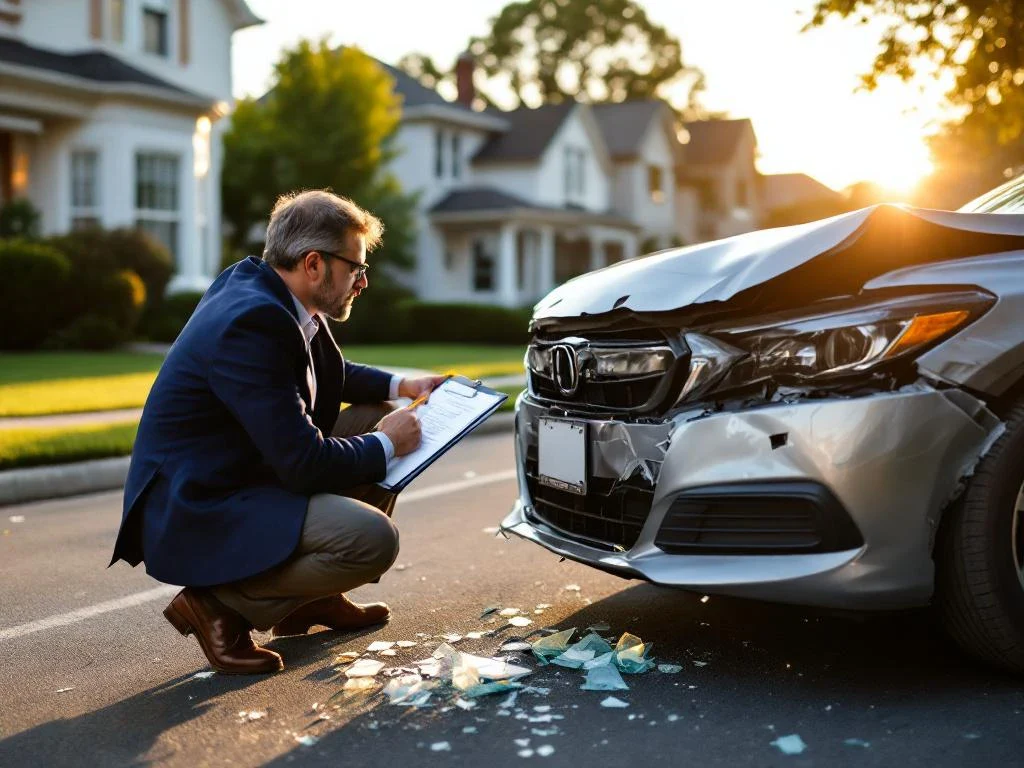
Liability determination in a car accident involves examining multiple factors to establish who was at fault and to what degree. Insurance companies and legal professionals assess traffic violations, physical evidence, witness statements, and road conditions to assign responsibility. The process typically takes several weeks to months, depending on the complexity of the case. Understanding how fault is determined helps accident victims navigate the car accident claims process more effectively and secure appropriate compensation for their injuries and damages.
What factors determine who is at fault in a car accident?
Traffic violations, witness statements, physical evidence, and road conditions are the primary factors that determine fault in a car accident. Insurance adjusters examine police reports, vehicle damage patterns, skid marks, and traffic law violations to establish liability. The party who violated traffic rules or acted negligently typically bears responsibility for the collision.
Physical evidence plays a crucial role in fault determination. Vehicle damage locations and severity often reveal the point of impact and direction of travel, helping reconstruct the accident sequence. Skid marks, debris patterns, and final vehicle positions provide additional clues about what occurred before and during the collision.
Witness testimonies offer valuable perspectives on the circumstances of the accident. Independent witnesses who saw the collision unfold can provide objective accounts of driver behavior, traffic signal compliance, and vehicle speeds. Their statements often corroborate or contradict driver accounts, helping establish a clearer picture of events.
Environmental factors also influence liability determination. Poor weather conditions, road defects, malfunctioning traffic signals, or inadequate signage may contribute to accidents. When external factors play a significant role, liability might be shared between drivers and other parties, such as local authorities responsible for road maintenance.
| Evidence Type | What It Reveals | Reliability Level |
|---|---|---|
| Police Reports | Officer observations, citations issued | High |
| Physical Damage | Impact points, collision dynamics | Very High |
| Witness Statements | Driver behavior, sequence of events | Medium to High |
| Traffic Camera Footage | Real-time accident occurrence | Very High |
How do insurance companies investigate liability after a traffic accident?
Insurance companies conduct thorough investigations by collecting evidence, interviewing involved parties and witnesses, analyzing police reports, and sometimes employing accident reconstruction specialists. The investigation process begins immediately after the accident is reported and involves systematic evidence gathering to determine fault accurately.
The investigation starts with evidence collection from the accident scene. Adjusters photograph vehicle damage, road conditions, traffic signs, and any relevant environmental factors. They measure skid marks, document debris patterns, and note weather conditions that might have contributed to the collision.
Witness interviews form another critical component of the investigation. Insurance representatives contact all available witnesses to gather detailed statements about what they observed. They also interview the drivers involved, comparing accounts and identifying any inconsistencies that might indicate fault or negligence.
Police report analysis provides official documentation of the circumstances of the accident. Adjusters review officer observations, any citations issued, and preliminary fault determinations. However, insurance companies conduct their own investigations rather than relying solely on police findings, as officers may not always witness the actual collision.
In complex cases involving severe injuries or disputed liability, insurance companies may hire accident reconstruction specialists. These experts use scientific methods to analyze the collision dynamics, vehicle speeds, and impact forces to determine how the accident occurred and who was responsible.
What is the difference between partial and full liability in car accidents?
Full liability means one driver is completely responsible for the accident, while partial liability involves shared fault between multiple parties. In partial liability cases, each party’s percentage of fault determines their financial responsibility for damages. This comparative negligence principle ensures that compensation reflects each party’s contribution to the accident.
Under full liability scenarios, one driver bears 100% responsibility for the collision and resulting damages. This typically occurs when a driver clearly violated traffic laws, such as running a red light, driving while intoxicated, or rear-ending another vehicle. The at-fault driver’s insurance covers all damages and injuries sustained by other parties.
Partial liability situations involve percentage-based fault allocation. For example, if one driver was speeding but another failed to yield the right of way, fault might be split 70/30 or 60/40 depending on each action’s contribution to the accident. Each party’s insurance pays damages proportional to their assigned fault percentage.
The fault percentage directly affects compensation amounts for accident victims. If you’re found 20% at fault for an accident, your compensation will be reduced by 20%. This system ensures that damages are distributed fairly based on each party’s actual contribution to the circumstances of the collision.
- Full liability: One party pays 100% of all damages and medical expenses
- Partial liability: Costs split according to fault percentages assigned
- Comparative negligence: Each party’s compensation reduced by their fault percentage
- Pure comparative fault: Parties can recover damages even if they’re primarily at fault
- Modified comparative fault: Recovery barred if fault exceeds 50% or 51%
How long does it take to determine fault after a car accident?
Fault determination typically takes two to six weeks for straightforward cases, while complex accidents involving multiple vehicles or disputed circumstances may require several months. The timeline depends on evidence availability, witness cooperation, and the need for specialist analysis such as accident reconstruction.
Simple rear-end collisions or clear-cut traffic violations often result in quick fault determinations within days or weeks. When liability is obvious and supported by police reports and physical evidence, insurance companies can process claims efficiently without extensive investigation.
Complex cases involving multiple vehicles, conflicting witness accounts, or unclear circumstances require longer investigation periods. Accident reconstruction analysis can add several weeks to the process, as specialists need time to examine evidence thoroughly and prepare detailed reports explaining the collision dynamics.
Accident victims can facilitate quicker fault determination by providing complete and accurate information promptly. This includes sharing all relevant details with insurance companies, providing witness contact information, and cooperating fully with the investigation process.
Factors that may delay fault determination include unavailable witnesses, incomplete police reports, disputes over traffic law violations, or the need for medical expert opinions in cases involving serious injuries. Weather-related accidents or those involving vehicle mechanical failures may also require additional investigation time.
Understanding liability determination helps accident victims navigate the claims process more effectively and secure appropriate compensation for their injuries. Whether dealing with minor injuries or more serious consequences, professional legal guidance ensures that your rights are protected throughout the fault determination process. For expert assistance with your car accident claim, including accurate compensation calculations, we provide comprehensive support to help you achieve the best possible outcome for your case.
Frequently Asked Questions
What should I do if the other driver disputes fault after an accident?
Document everything thoroughly, including photos of vehicle damage, the accident scene, and any relevant road conditions. Contact your insurance company immediately to report the dispute and provide all evidence you’ve collected. Consider hiring a personal injury attorney who can help protect your interests and ensure a fair investigation.
How does fault determination affect my insurance premiums?
Being found at fault typically results in increased insurance premiums at your next renewal period. The premium increase varies by insurer and your driving history, but can range from 20-50% or more. Even partial fault can impact your rates, though usually less severely than full liability.
What happens if there's no clear evidence to determine fault?
When evidence is inconclusive, insurance companies may assign equal fault to all parties involved, typically splitting liability 50/50. In some cases, they might determine that fault cannot be established, resulting in each party’s insurance covering their own damages under their collision coverage.
Can fault determination be changed after it's initially decided?
Yes, fault determination can be revised if new evidence emerges or if you successfully appeal the decision. You can request a review by providing additional evidence, witness statements, or expert analysis that wasn’t available during the initial investigation. Time limits may apply for challenging fault determinations.
How do traffic cameras and dashcam footage impact fault determination?
Video evidence from traffic cameras or dashcams is considered highly reliable and often decisive in fault determination. This footage provides objective documentation of the accident sequence, driver behavior, and traffic signal compliance. Insurance companies and legal professionals heavily weight video evidence when available.
Would you like to share this article?

