 NL
NL ES
ES PL
PL TR
TR


 By:
By: 
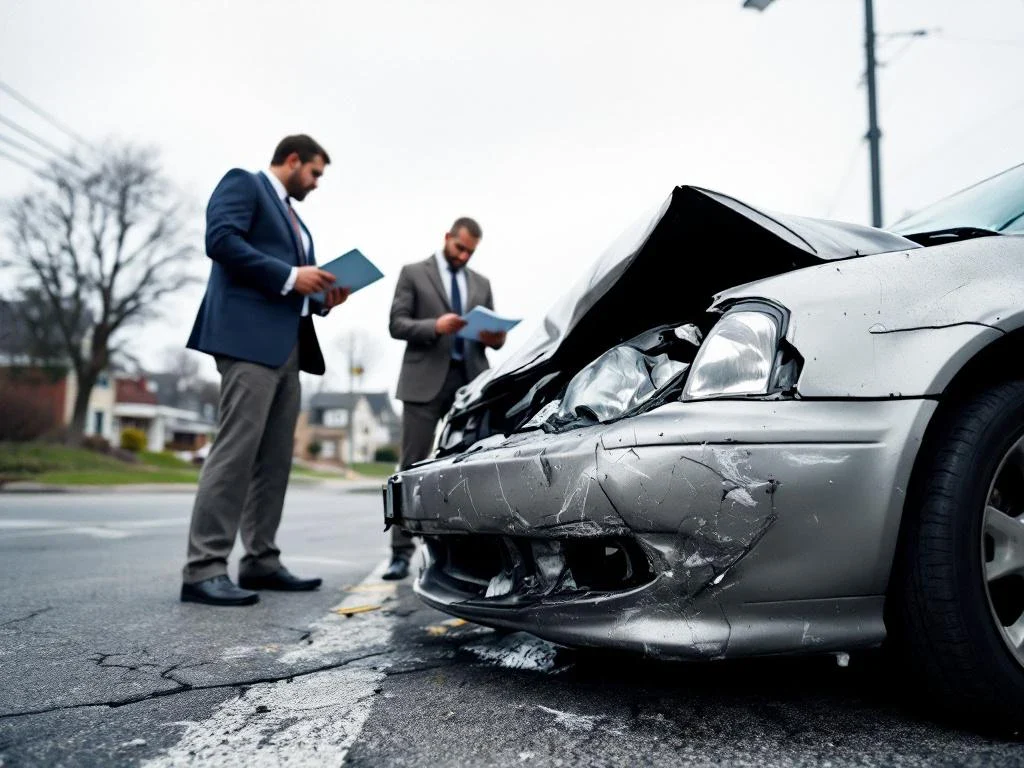
When you’re involved in a car accident with a 50/50 fault determination, you can still receive compensation, but the amount will be reduced by your percentage of fault. This means you’ll typically receive 50% of your total damages rather than the full amount. The shared liability affects insurance claims processing, settlement negotiations, and your legal rights to compensation.
What does 50/50 fault actually mean in traffic accidents?
50/50 fault means both parties are equally responsible for causing the car accident. Insurance companies and legal professionals determine fault percentages by examining evidence such as police reports, witness statements, traffic laws, road conditions, and vehicle damage patterns. Each party bears equal responsibility for the incident.
Fault determination follows established legal principles and traffic regulations. Investigators analyze factors including speed, right-of-way violations, signal compliance, and driver behavior leading up to the collision. Weather conditions, road maintenance, and vehicle mechanical issues may also influence fault allocation.
The assessment process involves multiple parties reviewing the same evidence to reach a fair determination. Insurance adjusters, police officers, and legal professionals each contribute their expertise to establish accurate fault percentages. This collaborative approach helps ensure the final determination reflects the actual circumstances of the accident.
How does 50/50 fault affect your compensation after being hit by a car?
With 50/50 fault, your compensation is reduced by your fault percentage, meaning you receive 50% of your total damages. If your medical bills, lost wages, and other damages total £10,000, you would receive £5,000 in compensation. This reduction applies to all damage categories, including medical expenses, property damage, and pain and suffering.
The calculation follows the principle of comparative negligence, where your recovery decreases proportionally to your responsibility for the accident. Insurance companies apply this reduction systematically across all damage categories. Your settlement reflects both the severity of your injuries and your contribution to the incident.
| Damage Type | Total Amount | 50% Compensation |
|---|---|---|
| Medical expenses | £4,000 | £2,000 |
| Lost wages | £3,000 | £1,500 |
| Vehicle repair | £2,500 | £1,250 |
| Pain and suffering | £2,000 | £1,000 |
What happens to insurance claims when fault is split 50/50?
Insurance companies handle 50/50 fault claims through a process called split settlement, where each insurer pays their policyholder’s damages up to the fault percentage. Both insurance companies share responsibility for covering damages, leading to more complex negotiations and potentially longer settlement timelines than single-fault accidents.
The claims process involves coordination between both insurance companies to agree on damage amounts and fault percentages. Each insurer investigates independently before reaching a mutual agreement. This dual investigation can extend processing time but often results in a more thorough damage assessment.
Settlement negotiations require both parties to present evidence supporting their position. Insurance adjusters must balance their policyholder’s interests while acknowledging shared responsibility. The process typically involves multiple rounds of negotiation before reaching final settlement terms.
- Both insurance companies conduct separate investigations
- Fault determination requires mutual agreement between insurers
- Settlement processing takes longer due to coordination requirements
- Each party’s deductible applies to their own damages
- Premium impacts affect both drivers’ future insurance costs
Can you still get compensation if you’re 50% at fault for the accident?
Yes, you maintain the right to compensation even when 50% at fault for a car accident. Legal systems recognize that partial fault doesn’t eliminate your right to recover losses caused by the other party’s negligence. You can pursue claims for medical expenses, lost income, property damage, and other losses, though amounts will be reduced proportionally.
Your compensation rights remain protected under comparative negligence principles. Legal representation becomes particularly valuable in shared-fault situations, as proper documentation and negotiation can significantly impact your final settlement amount. Professional legal assistance helps ensure you receive fair compensation despite partial responsibility.
The claims process requires careful documentation of all damages and expenses related to the accident. Medical records, employment documentation, repair estimates, and other evidence support your compensation claim. Even with shared fault, thorough preparation strengthens your position during settlement negotiations.
Understanding your rights and options after a shared-fault car accident helps you make informed decisions about your claim. Professional legal guidance ensures you navigate the complex process effectively while protecting your interests. Consider using a damages calculator to estimate potential compensation amounts based on your specific circumstances and fault percentage.
Frequently Asked Questions
What happens if I disagree with the 50/50 fault determination?
You can challenge the fault determination by providing additional evidence such as dash cam footage, expert witness testimony, or accident reconstruction reports. Contact a solicitor who specializes in traffic accidents to review your case and potentially dispute the fault allocation through formal legal channels.
How long does it take to settle a 50/50 fault car accident claim?
50/50 fault claims typically take 6-12 months longer than single-fault accidents due to coordination between multiple insurance companies. The timeline depends on the complexity of damages, availability of evidence, and how quickly both insurers can agree on fault percentages and settlement amounts.
Will my insurance premiums increase after a 50/50 fault accident?
Yes, your insurance premiums will likely increase, though typically less than if you were found 100% at fault. The premium increase varies by insurer but generally ranges from 10-30% for shared fault accidents, depending on your driving history and policy terms.
What evidence should I collect at the scene to protect myself in a potential 50/50 fault situation?
Take photos of vehicle positions, damage, road conditions, and traffic signs. Collect contact information from witnesses, obtain the other driver’s insurance details, and request a police report. Document any injuries immediately and keep detailed records of all accident-related expenses and communications.
Can I sue the other driver if fault is determined to be 50/50?
Yes, you can still pursue legal action against the other driver for their 50% share of responsibility. A solicitor can help you recover compensation for damages not covered by insurance, such as excess amounts, loss of no-claims bonus, or additional pain and suffering claims.
Would you like to share this article?

