 NL
NL ES
ES PL
PL TR
TR


 By:
By: 
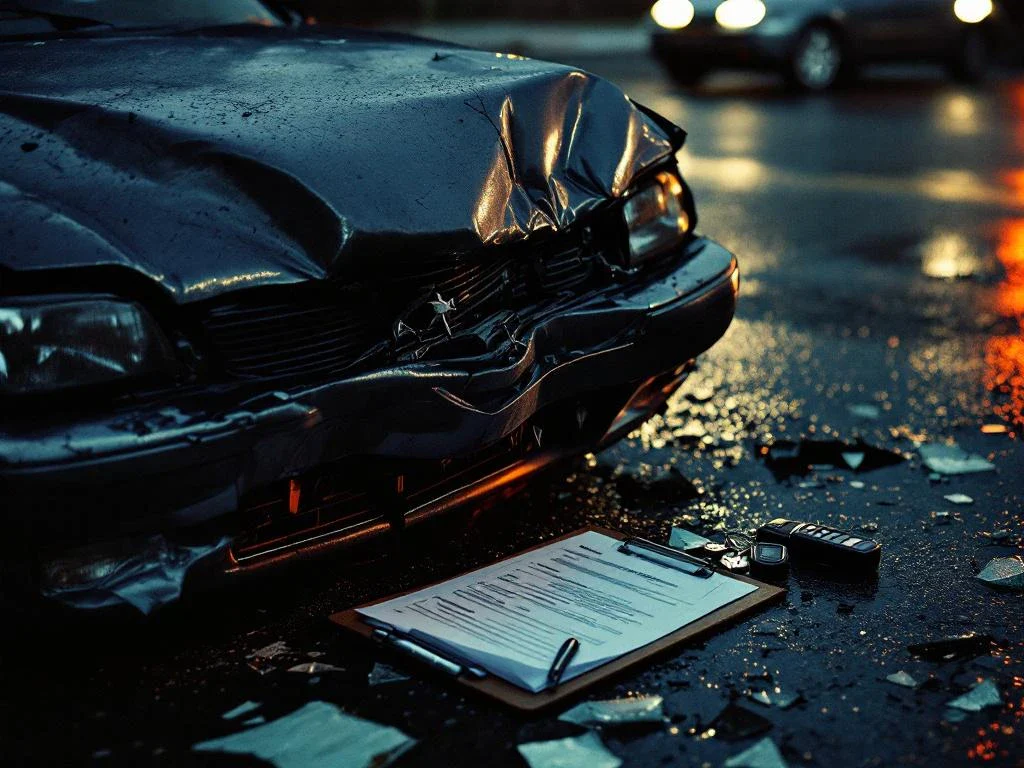
Understanding fault in a car accident determines who pays for damages and how much compensation you can receive. When you’re at fault, you’re responsible for the other party’s losses, while being hit by someone else makes them liable for your damages. The key difference lies in liability determination, which affects insurance claims, compensation amounts, and your legal rights following the incident.
What exactly does ‘own fault’ mean in traffic accidents?
Own fault means you are legally responsible for causing the traffic accident through your actions or negligence. This occurs when you violate traffic rules, drive carelessly, or fail to take reasonable precautions that a responsible driver would take in similar circumstances.
Common situations where drivers are considered at fault include:
- Running red lights or stop signs
- Following too closely and rear-ending another vehicle
- Making illegal turns or lane changes
- Speeding or driving under the influence
- Failing to yield the right of way
- Distracted driving, such as texting while driving
When you’re at fault, your insurance company becomes responsible for covering the other party’s medical expenses, vehicle repairs, lost wages, and pain and suffering. This fault determination significantly impacts your insurance premiums, which typically increase after an at-fault accident. Additionally, you may face legal consequences if your negligent driving caused serious injuries or property damage.
How is fault determined when you’re hit by another car?
Fault determination when you’re struck by another vehicle involves a thorough investigation by police officers, insurance adjusters, and sometimes accident reconstruction specialists. They examine physical evidence, witness statements, traffic camera footage, and police reports to establish who violated traffic laws or acted negligently.
The investigation process typically includes:
- A police report documenting the scene, statements, and an initial fault assessment
- An insurance company investigation with adjusters reviewing the evidence
- Witness interviews and statement collection
- Vehicle damage analysis to determine impact points and speeds
- An assessment of any traffic law violations
- A review of any available camera footage or electronic evidence
Insurance companies use this evidence to assign liability percentages. In clear-cut cases, one driver may be 100% at fault, while more complex accidents might involve shared responsibility. The final fault determination affects how much compensation you receive and which insurance company pays for damages. If the other driver is found at fault, their insurance covers your medical bills, vehicle repairs, and other losses.
What’s the difference in compensation between own fault and being hit?
The difference in compensation between own fault and being hit is substantial. When you’re at fault, you receive no compensation from the other party and must rely on your own insurance coverage for medical expenses and vehicle repairs, subject to your policy limits and deductibles.
| Compensation Type | Own Fault | Hit by Others |
|---|---|---|
| Medical Expenses | Your insurance only | Full coverage from the at-fault party |
| Vehicle Repairs | Your insurance minus the deductible | Complete coverage |
| Lost Wages | Limited personal coverage | Full compensation possible |
| Pain and Suffering | Usually none | Compensation available |
When you’re hit by another driver, you can claim comprehensive compensation, including all medical expenses, lost income, vehicle repairs, rental car costs, and pain and suffering damages. The at-fault party’s insurance must cover these expenses without deductibles. You may also pursue additional compensation for long-term medical care, reduced earning capacity, and emotional distress. This difference in compensation can amount to thousands of pounds, making fault determination crucial for your financial recovery.
Can you still claim compensation if you’re partially at fault?
Yes, you can still claim compensation even when partially at fault, under comparative negligence principles. Your compensation is reduced by your percentage of fault, but you’re not completely barred from recovery unless you’re found predominantly responsible for the accident.
For example, if you’re 30% at fault for failing to signal while the other driver was 70% at fault for speeding, you can still recover 70% of your total damages. If your losses total £10,000, you would receive £7,000 in compensation. This system ensures that accident victims aren’t left without recourse when both parties share responsibility.
Common partial-fault scenarios include:
- Both drivers exceeding speed limits during a collision
- One driver failing to signal while another follows too closely
- Pedestrians jaywalking when struck by distracted drivers
- Cyclists not wearing helmets when hit by negligent motorists
Insurance companies negotiate these percentages based on evidence and legal precedents. Having legal representation becomes particularly important in partial-fault cases, as small changes in fault percentages can significantly impact your final compensation amount.
What should you do immediately after an accident regardless of fault?
Take immediate action to protect yourself legally and physically after any traffic accident, regardless of who appears to be at fault. Your priorities should be safety, preserving evidence, and protecting your right to compensation, as initial fault assessments often change during the investigation.
Essential immediate steps include:
- Move to safety and check for injuries
- Call emergency services (999) for police and medical assistance
- Exchange insurance and contact information with all parties
- Document the scene with photos of vehicles, damage, and road conditions
- Collect witness contact information and statements
- Avoid admitting fault or discussing blame
- Seek medical attention, even for minor injuries
- Contact your insurance company to report the accident
- Keep detailed records of all medical treatment and expenses
Never leave the scene without proper documentation, as this can result in legal penalties regardless of fault. Even minor accidents can result in significant injuries that appear hours or days later, making immediate medical evaluation important for both your health and any potential compensation claims.
Understanding these fault distinctions helps you navigate the aftermath of any traffic accident more effectively. Whether you’re dealing with clear liability or complex shared-fault situations, knowing your rights ensures you receive appropriate compensation for your injuries and losses. For complex cases involving disputed fault or serious injuries, consulting specialists in car accident claims can help you understand your options and protect your interests throughout the legal process.
Frequently Asked Questions
What happens to my insurance premiums after an at-fault accident?
Your insurance premiums will typically increase significantly after an at-fault accident, often by 20-50% depending on the severity and your driving history. The increase usually remains for 3-5 years, though some insurers offer accident forgiveness programs for first-time offences.
How long does the fault determination process take?
Fault determination typically takes 2-4 weeks for straightforward cases, but complex accidents with disputed liability can take several months. The timeline depends on evidence availability, witness cooperation, and whether legal representation is involved in challenging the initial assessment.
What should I do if I disagree with the fault determination?
You can challenge the fault determination by providing additional evidence, witness statements, or expert analysis to your insurance company. If unsuccessful, consider hiring a solicitor specialising in traffic accidents who can present your case more effectively and potentially overturn the decision.
Can dash cam footage change a fault determination?
Yes, dash cam footage is powerful evidence that can significantly alter fault determination by providing objective proof of what happened. This video evidence often overrides conflicting witness statements and can prove traffic violations, making it invaluable for protecting yourself in disputed liability cases.
Would you like to share this article?

