 NL
NL ES
ES PL
PL TR
TR


 By:
By: 
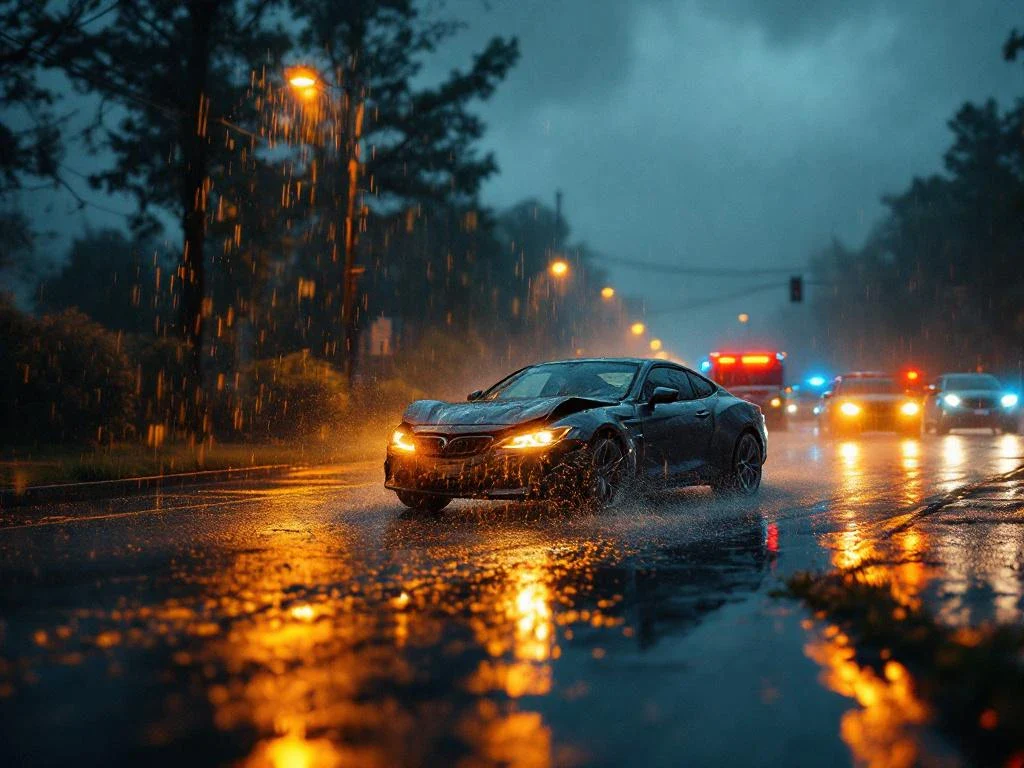
Weather conditions significantly influence liability determination in car accidents, but they rarely absolve drivers of responsibility entirely. Courts evaluate how well drivers adapted to weather conditions and whether they maintained proper care given the circumstances. While adverse weather may affect fault percentages, it does not automatically excuse negligent driving behaviour. Understanding these nuances is crucial when pursuing a car accident compensation claim.
How does bad weather actually affect fault determination in car accidents?
Bad weather is treated as a contributing factor in fault assessment rather than an automatic excuse for causing accidents. Courts examine whether drivers adjusted their behaviour appropriately to match the hazardous conditions they encountered.
Legal systems typically apply the principle that weather conditions are foreseeable circumstances requiring driver adaptation. When determining liability, courts consider whether the driver reduced speed, increased following distance, and exercised greater caution appropriate for the conditions. Simply stating “it was raining” does not eliminate responsibility for rear-ending another vehicle.
The assessment focuses on reasonable driver behaviour under the specific circumstances. If weather conditions deteriorated suddenly and drastically, this may reduce a driver’s fault percentage. However, if conditions were consistently poor throughout the journey, drivers are expected to have adjusted their driving accordingly from the outset.
What driving responsibilities do you have during adverse weather conditions?
Drivers must adapt their behaviour to match weather conditions by reducing speed, increasing following distances, and ensuring their vehicle is properly equipped for the conditions in which they are driving.
Legal obligations during adverse weather include:
- Reducing speed below posted limits when conditions warrant
- Maintaining greater following distances to allow for longer stopping times
- Using appropriate lighting (headlights in rain, fog lights when visibility is severely reduced)
- Ensuring tyres have adequate tread depth for wet or icy conditions
- Clearing all windows and mirrors of snow, ice, or condensation before driving
These responsibilities extend beyond basic traffic rules. Drivers who fail to adapt to conditions and cause accidents often face higher liability percentages, even when weather contributed to the incident. The key principle is that weather conditions require enhanced caution, not an excuse for maintaining normal driving patterns.
When can weather conditions reduce a driver’s liability after hitting someone?
Weather conditions may reduce liability when they create sudden, unforeseeable circumstances that reasonable drivers could not have anticipated or prepared for adequately.
Specific scenarios where weather might mitigate fault include:
| Weather Scenario | Potential Liability Impact | Key Factors |
|---|---|---|
| Sudden severe hailstorm | May reduce fault percentage | Timing, intensity, predictability |
| Flash flooding on roadway | Possible force majeure defence | Warning availability, escape options |
| Unexpected ice patches | Contributory factor consideration | Temperature changes, road treatment |
| Dense fog development | Shared responsibility possible | Visibility distance, speed adaptation |
Complete absolution from liability remains extremely rare. Courts typically assign partial responsibility even in extreme weather situations, as drivers retain some duty of care regardless of conditions. The weather becomes one factor in a comprehensive assessment rather than a complete defence.
How do insurance companies handle weather-related accident claims?
Insurance companies investigate weather conditions thoroughly by obtaining meteorological data from the accident time and location, examining road surface conditions, and assessing whether drivers adapted appropriately to the circumstances.
The investigation process typically involves gathering weather reports from official sources, photographing road conditions and vehicle damage patterns, interviewing witnesses about visibility and road conditions, and reviewing any available traffic camera footage. Insurers pay particular attention to whether drivers reduced speed and increased following distances appropriate for the conditions.
Weather evidence significantly impacts claim settlements and compensation amounts. If investigations reveal that weather conditions were severe but predictable, and the at-fault driver failed to adapt, this strengthens the victim’s claim. Conversely, if weather created genuinely unforeseeable hazards, settlement negotiations may result in shared liability percentages.
Insurance companies also examine the victim’s behaviour during adverse weather. Pedestrians and cyclists who fail to wear reflective clothing or use appropriate lighting during poor visibility may face reduced compensation amounts, even when struck by vehicles.
Understanding how weather affects liability helps accident victims prepare stronger claims and set realistic expectations for compensation. Whether dealing with minor injuries or serious trauma from a car accident, professional legal guidance ensures weather factors are properly evaluated and presented. For an accurate assessment of your potential compensation, considering all relevant factors including weather conditions, use our damages calculator to understand your claim’s potential value.
Frequently Asked Questions
What evidence should I collect at the scene of a weather-related car accident?
Document weather conditions with photos showing road surfaces, visibility levels, and precipitation. Take pictures of vehicle damage, skid marks, and any weather-related hazards like standing water or ice. Record the exact time and obtain contact information from witnesses who can verify the conditions at the time of the accident.
How long after an accident can weather data be obtained for legal proceedings?
Meteorological data from official weather services is typically available for several years after an incident. However, it’s crucial to request this information as soon as possible after the accident, as detailed hourly data becomes more difficult to obtain over time and may be essential for establishing precise conditions during your claim.
Can I still claim compensation if I was partially at fault due to not adapting to weather conditions?
Yes, you can still pursue compensation even with partial fault under comparative negligence laws. Your compensation will be reduced by your percentage of fault, but you’re not barred from recovery entirely. For example, if you’re found 20% at fault for not reducing speed in rain, you can still recover 80% of your damages.
What happens if the other driver claims they couldn't see me due to weather conditions?
Poor visibility doesn’t automatically excuse the other driver from liability. Courts will examine whether they used appropriate lighting, reduced speed for conditions, and maintained proper following distances. If weather reduced visibility, both drivers had equal responsibility to adapt their driving behavior, and fault will be determined based on who better exercised reasonable care.
How do courts determine if weather conditions were 'reasonably foreseeable' for drivers?
Courts examine weather forecasts available before the journey, gradual versus sudden condition changes, and local seasonal patterns. If conditions were predicted or developed gradually, drivers are expected to have prepared accordingly. Sudden, severe weather changes that couldn’t reasonably be anticipated may reduce liability, but complete absolution remains extremely rare.
Would you like to share this article?

