 NL
NL ES
ES PL
PL TR
TR


 By:
By: 
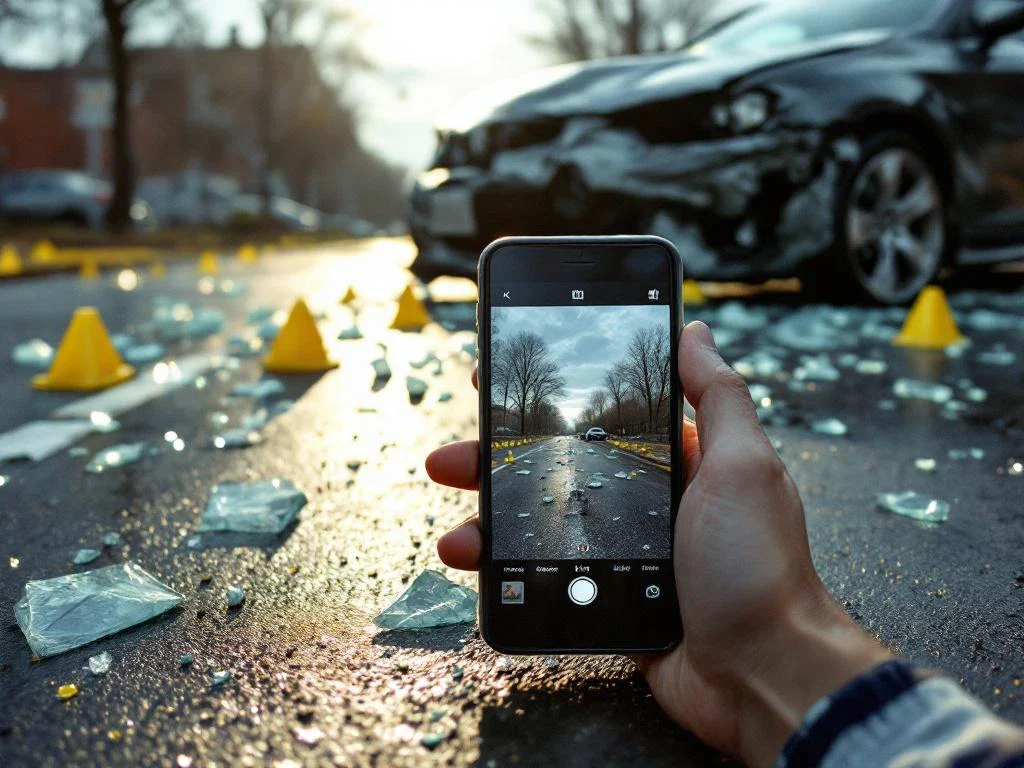
Strong evidence after being hit by a car includes police reports, witness statements, photographs of the scene and damage, and immediate medical documentation. The most crucial evidence must be collected quickly at the accident scene before it disappears. This evidence forms the foundation of your car accident claim and determines the compensation you may receive for your injuries and losses.
What counts as strong evidence immediately after being hit by a car?
The strongest evidence immediately after a car accident includes the official police report, witness contact information and statements, photographs of all vehicles and the accident scene, and your immediate medical assessment. These critical pieces of evidence must be gathered within the first few hours after the accident, as physical evidence can disappear quickly and witness memories can fade.
Police reports provide an official record of the circumstances of the accident, including the responding officer’s assessment of fault and any traffic violations observed. The report contains vital information such as weather conditions, road conditions, and statements from all parties involved. Insurance companies rely heavily on police reports when determining liability and processing claims.
Photographic evidence is invaluable for documenting the exact positions of vehicles, property damage, skid marks, traffic signs, and road conditions. Take multiple photos from different angles, including wide shots of the entire scene and close-up images of vehicle damage. These photographs preserve the accident scene exactly as it appeared immediately after the collision.
Time-sensitive evidence that disappears quickly includes:
- Skid marks and debris on the roadway
- Vehicle positions before they are moved
- Weather and lighting conditions at the time of the accident
- Traffic signal timing and road construction signs
- Security camera footage from nearby businesses
How do you properly document injuries and damage after a car accident?
Proper documentation requires creating a comprehensive record of all physical injuries and property damage through medical examinations, detailed symptom tracking, and photographic evidence. Start documenting immediately after the accident and continue throughout your recovery period. This documentation directly affects the amount of compensation you receive for your injuries.
Seek immediate medical attention even if you feel fine initially, as many car accident injuries, such as whiplash or concussion symptoms, may not appear for hours or days. The medical report from your first examination establishes a direct link between the accident and your injuries. This medical evidence becomes crucial when insurance companies question whether your injuries resulted from the car accident.
Maintain detailed records of all symptoms, treatments, and how your injuries affect your daily activities. Keep a daily journal documenting pain levels, mobility limitations, sleep disturbances, and missed workdays. This personal documentation helps medical professionals understand your recovery progress and provides evidence of your suffering.
Document property damage through:
- Photographs of vehicle damage from multiple angles
- Professional repair estimates from certified mechanics
- Receipts for towing, storage, and rental car costs
- Documentation of personal property damaged in the vehicle
- Records of any vehicle modifications or special equipment that was damaged
What role do witness statements play in strengthening your car accident case?
Independent witness testimony can significantly strengthen your car accident case by providing unbiased accounts of how the collision occurred. Credible witnesses who saw the accident happen offer perspectives that insurance companies cannot easily dispute. Their statements often prove decisive in determining fault when the parties involved provide conflicting accounts of the accident.
Identify credible witnesses by looking for people who clearly observed the accident from a good vantage point and were not distracted at the time of the collision. The most valuable witnesses are pedestrians, passengers in other vehicles, or drivers who stopped after seeing the accident. Avoid relying on statements from friends or family members who arrived after the accident, as insurance companies may question their objectivity.
Collect comprehensive information from witnesses, including their full name, phone number, address, and a detailed written or recorded statement about what they observed. Ask specific questions about vehicle speeds, traffic signals, weather conditions, and the actions of each driver before the collision. Time is critical, as witnesses may leave the scene quickly or their memories may fade.
| Strong Witness Evidence | Weak Witness Evidence |
|---|---|
| Clear view of the entire accident | Partial or obstructed view |
| Detailed statement given immediately | Vague recollection days later |
| Independent third party | Friend or family member |
| Contact information provided | Anonymous or unreachable |
Why is medical evidence crucial for your car accident compensation claim?
Medical evidence forms the foundation of personal injury compensation claims by establishing the extent, severity, and long-term impact of accident-related injuries. Insurance companies require documented medical proof to validate injury claims and determine appropriate compensation amounts. Without proper medical evidence, even legitimate injury claims may be denied or significantly undervalued.
Immediate medical attention creates an official record linking your injuries directly to the car accident. Delaying medical treatment allows insurance companies to argue that your injuries resulted from other causes or pre-existing conditions. Emergency room visits, diagnostic tests, and initial treatment records provide the strongest evidence of accident-related injuries.
Ongoing medical documentation tracks your recovery progress and demonstrates the full impact of your injuries on your life. This includes specialist consultations, physical therapy sessions, prescription medications, and any recommended medical equipment. Consistent medical treatment shows that your injuries are genuine and require professional care.
Medical evidence directly correlates to compensation amounts through established medical cost documentation and professional assessments of future treatment needs. Medical professionals can provide expert opinions about permanent limitations, ongoing care requirements, and how your injuries affect your ability to work and enjoy everyday activities.
Building a strong evidence foundation requires immediate action and thorough documentation throughout your recovery. Whether you sustained minor injuries or serious trauma, proper evidence collection protects your legal rights and maximises your potential compensation. For professional assistance with gathering evidence and managing your car accident claim, we recommend consulting legal specialists who can guide you through this complex process. Use our damages calculator to estimate your potential compensation and contact our team for personalised advice about your specific situation.
Frequently Asked Questions
What should I do if I didn't take photos at the accident scene but need evidence now?
Return to the accident location as soon as possible to photograph permanent features like traffic signs, road layout, and sight lines. Contact nearby businesses for security camera footage and request copies of any surveillance that captured the accident. While not as strong as immediate scene photos, these can still support your case.
How long do I have to collect witness statements after a car accident?
Collect witness statements within 24-48 hours for the strongest evidence, as memories fade quickly and people become harder to reach. However, you can still obtain valuable statements weeks later if witnesses are willing to cooperate. The key is getting their contact information at the scene before they leave.
What happens if the other driver's insurance company disputes my medical evidence?
Insurance companies may request independent medical examinations or additional documentation to verify your injuries. Maintain consistent medical treatment, keep detailed symptom journals, and ensure all your healthcare providers document how the accident caused your injuries. Strong medical evidence from multiple sources makes disputes much harder to sustain.
Can I still build a strong case if the police didn't come to the accident scene?
Yes, you can still build a compelling case without a police report by focusing on other strong evidence like witness statements, photographs, and medical documentation. File your own accident report with local authorities and gather comprehensive documentation from all available sources to compensate for the missing official report.
What evidence should I preserve if my injuries don't appear until days after the accident?
Document the timeline of when symptoms first appeared and seek immediate medical attention once they develop. Keep records of any activities or treatments between the accident and symptom onset. Medical professionals can still link delayed symptoms to the accident through proper examination and your detailed symptom history.
Would you like to share this article?

