 NL
NL ES
ES PL
PL TR
TR


 By:
By: 
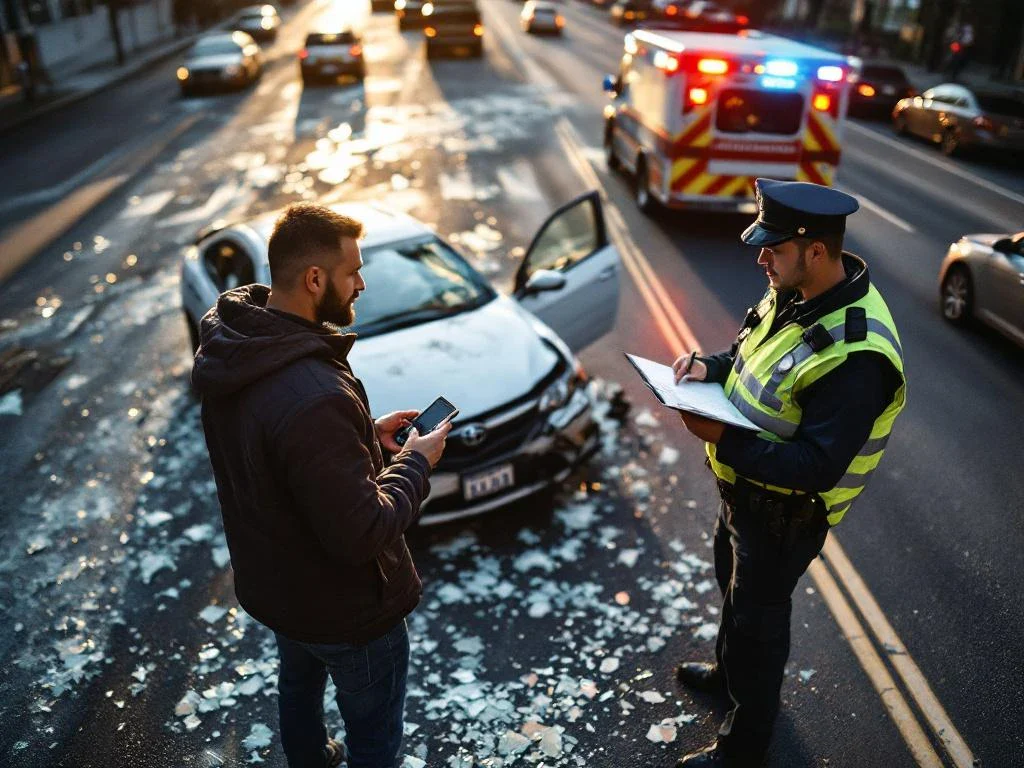
Effective witness statements after a car accident provide independent, factual accounts that significantly strengthen your compensation claim. The most valuable witness statements include detailed observations of the incident, accurate timeline information, and contact details from credible sources who observed the collision. These statements become crucial evidence when insurance companies assess liability and determine compensation amounts.
What makes a witness statement legally valuable after a car accident?
A witness statement becomes legally valuable when it comes from an independent observer who has no relationship with either party involved in the accident. The statement must contain factual observations rather than opinions or assumptions about what happened. Legal professionals assess witness credibility based on the person’s vantage point during the incident, their ability to clearly recall details, and whether they remained at the scene long enough to observe the complete sequence of events.
Independent witnesses carry more weight than passengers or friends because they have no vested interest in the outcome. Their testimony becomes particularly powerful when multiple witnesses provide consistent accounts of the same incident. Insurance companies and legal professionals value witnesses who can clearly articulate what they saw and who are willing to provide written statements or testify if necessary.
The timing of when the statement is collected also affects its legal value. Statements gathered immediately after the accident, while memories remain fresh and details are clear, hold more credibility than those collected days or weeks later. Witnesses who provide consistent accounts across multiple interviews demonstrate reliability that substantially strengthens your car accident claim.
How do you identify and approach the right witnesses at an accident scene?
The most valuable witnesses are those who had a clear view of the accident from a safe distance and observed the events leading up to the collision. Look for pedestrians on pavements, drivers stopped at traffic lights, people in nearby shops or offices, and residents in surrounding buildings who may have witnessed the incident from their windows.
Approach potential witnesses calmly and politely, explaining that you were involved in the accident and would appreciate their account of what they observed. Focus on people who appear composed and willing to help rather than those who seem rushed or distracted. Business owners and employees from nearby establishments often make excellent witnesses because they can be easily contacted later if additional information is needed.
| Witness Type | Advantages | Considerations |
|---|---|---|
| Pedestrians | Clear view, independent | May leave quickly |
| Other drivers | Understand traffic rules | May be distracted |
| Business employees | Easy to contact later | May have limited view |
| Residents | Familiar with area | Distance from incident |
Timing is crucial when identifying witnesses. Many people will leave the scene quickly, especially if traffic is backing up or emergency services arrive. Prioritise approaching witnesses who seem most likely to have observed the critical moments of the accident and who appear willing to provide their contact information.
What information should witnesses include in their statements?
Witness statements should include specific factual observations about vehicle positions, speed, driver behaviour, and road conditions at the time of the accident. The most effective statements describe what the witness saw, heard, and observed without including speculation about fault or cause. Essential details include the sequence of events, approximate times, weather conditions, and any unusual circumstances that may have contributed to the incident.
Witnesses should describe vehicle movements using specific language rather than general terms. Instead of saying “the car was going fast,” a more valuable statement would specify “the red car appeared to be travelling significantly faster than other traffic” or “the vehicle did not appear to slow down before the junction.” These detailed observations help insurance assessors and legal professionals understand exactly what occurred.
The following elements strengthen any witness statement:
- Exact location and time of observation
- Weather and lighting conditions
- Vehicle descriptions, including colours and approximate sizes
- Driver behaviour before, during, and after the collision
- Road surface conditions and traffic levels
- Any mechanical issues observed (brake lights, indicators, etc.)
Witnesses should avoid including assumptions about who was at fault or why the accident happened. Statements focusing on observable facts rather than conclusions carry much more legal weight and credibility during compensation negotiations.
How can technology help capture better witness statements?
Modern technology offers several tools to capture and preserve witness statements more effectively than traditional pen-and-paper methods. Smartphone voice recordings allow witnesses to provide detailed accounts immediately while their memories remain fresh and accurate. These audio recordings capture tone, emotion, and spontaneous details that written statements might miss.
Digital photography and video can supplement witness statements by documenting the scene from the witness’s perspective. Ask witnesses to point out their viewing position and take photos from that location to support their account. Many smartphones also allow witnesses to record short video statements, which can be particularly valuable for demonstrating their credibility and sincerity.
Contact information should be captured digitally to ensure accuracy. Instead of handwriting phone numbers and addresses, use your phone’s contacts app to record witness details directly. This eliminates transcription errors and ensures you can reach witnesses when needed for follow-up questions or additional statements.
Cloud storage services automatically back up witness statements and evidence, preventing loss if your phone is damaged. Email witness statements to yourself immediately after collection, and consider using voice-to-text apps that can transcribe audio recordings into written statements while preserving the original audio file.
Technology also enables the immediate sharing of witness information with legal professionals or insurance companies. However, always obtain explicit permission from witnesses before recording them or sharing their statements with third parties.
Securing strong witness statements significantly improves your chances of obtaining fair compensation after a car accident. These independent accounts provide crucial evidence that supports your version of events and helps clearly establish liability. Professional legal assistance ensures witness statements are properly documented and presented effectively during compensation negotiations. For expert guidance on maximising your claim value, use our damages calculator to understand potential compensation amounts based on your specific circumstances.
Frequently Asked Questions
What should I do if witnesses refuse to provide their contact information?
If witnesses are hesitant to share contact details, ask if they would be willing to provide a brief written statement instead. You can also note their vehicle registration number if they’re drivers, or ask nearby business owners if they know regular customers who witnessed the accident. Sometimes witnesses will agree to speak with police officers or emergency responders even if they won’t provide information directly to you.
How long after an accident can I still collect witness statements?
While immediate collection is ideal, witness statements can still be valuable if gathered within 24-48 hours of the accident. After this timeframe, memory details begin to fade significantly. If you need to locate witnesses days later, try returning to the accident location at the same time of day, as people often follow regular routines and may be in the area again.
Can I use witness statements from passengers in my own vehicle?
Passenger statements from your vehicle can be used as supporting evidence, but they carry less weight than independent witnesses because of their connection to you. Insurance companies may view passenger statements as potentially biased. However, if passengers observed specific details that independent witnesses missed, their accounts can still provide valuable supplementary evidence for your claim.
What happens if witness statements contradict each other?
Contradictory witness statements don’t necessarily weaken your case if the core facts remain consistent. Insurance assessors and legal professionals understand that different viewing angles and perspectives can lead to varying accounts of the same incident. Focus on the common elements across statements, such as vehicle positions, approximate speeds, and the general sequence of events that led to the collision.
Do witnesses need to appear in court if my case goes to trial?
Most car accident cases settle without going to court, so witnesses rarely need to testify in person. However, witnesses should be informed that they might be called upon if the case proceeds to trial. When collecting statements, ask witnesses if they would be willing to testify if necessary, as this willingness can strengthen your negotiating position during settlement discussions.
Would you like to share this article?

