 NL
NL ES
ES PL
PL TR
TR


 By:
By: 
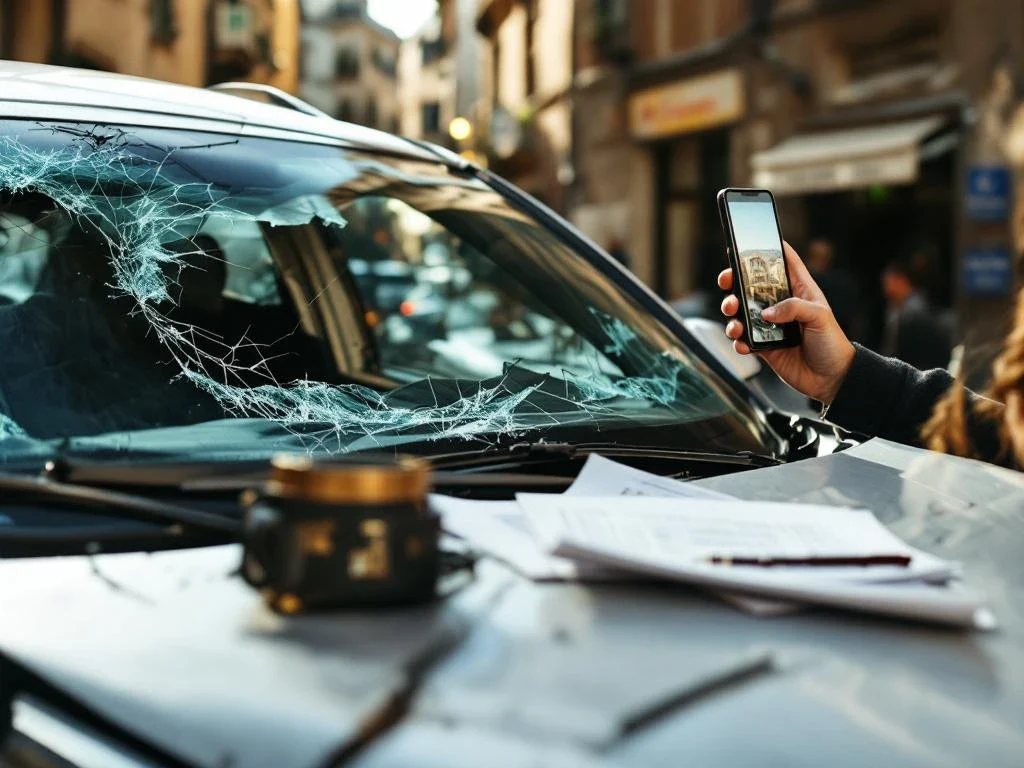
Reporting a car accident abroad requires understanding local procedures, documentation requirements, and insurance protocols that may differ from those in your home country. The process involves immediate safety measures, proper documentation, information exchange with other parties, and compliance with local legal requirements. Each country has specific reporting procedures and timeframes that must be followed to ensure valid insurance claims and legal protection.
When you’re involved in a car accident while travelling internationally, knowing the correct reporting procedures can protect your rights and ensure proper compensation for any damages or injuries sustained.
What should you do immediately after a car accident abroad?
Your immediate priority after a car accident abroad is ensuring safety and contacting emergency services using local emergency numbers. Move to a safe location if possible, check for injuries, and call the appropriate emergency services – 112 in EU countries, 999 in the UK, or the specific emergency number for your location.
Secure the accident scene by turning on hazard lights and placing warning triangles if available. Most European countries require warning triangles to be placed 50–100 metres behind your vehicle. Check yourself and passengers for injuries, even minor ones, as some symptoms may appear later.
Contact the local police immediately, especially if there are injuries, significant damage, or disputes about fault. Many countries require police reports for insurance claims, regardless of damage severity. Keep your passport, driving licence, and insurance documents readily available for the authorities.
Avoid admitting fault or making statements about the cause of the accident. Language barriers can lead to misunderstandings that may affect your insurance claim later. Stick to factual observations about what happened.
How do you properly document a car accident in a foreign country?
Thorough documentation is essential for successful insurance claims when accidents occur abroad. Take comprehensive photographs of all vehicles involved, showing damage from multiple angles, licence plates, and the overall accident scene, including road conditions and traffic signs.
Photograph the exact location where the accident occurred, including street names, landmarks, and any relevant traffic control devices. Capture wide shots showing vehicle positions and close-ups of specific damage areas. Include images of any skid marks, debris, or road hazards that may have contributed to the accident.
Document the accident scene with the following systematic approach:
- Vehicle damage from all angles
- Licence plates of all vehicles involved
- Road conditions and weather at the time
- Traffic signs and signals nearby
- Any visible injuries (with consent)
- Location markers and street signs
Gather witness information, including names, contact details, and brief statements about what they observed. Ask witnesses to write down their account in their own language, which can be translated later. Note the time, date, weather conditions, and any other relevant circumstances.
Many countries use standardised European Accident Statement forms, which should be completed at the scene. These forms help document key details systematically and are recognised by most European insurance companies.
What information do you need to exchange with other drivers abroad?
Information exchange with other drivers abroad requires collecting specific details that may differ from your home country’s requirements. Essential information includes full names, addresses, telephone numbers, driving licence numbers, and insurance policy details from all parties involved.
Collect comprehensive vehicle information, including registration numbers, make, model, year, and VIN numbers where accessible. Note the insurance company names, policy numbers, and contact details for all vehicles involved in the accident.
The following table shows essential information to exchange:
| Category | Required Information | Additional Notes |
|---|---|---|
| Personal Details | Full name, address, phone number | Include country of residence |
| Driving Documentation | Licence number, issuing country | Note if an International Driving Permit is used |
| Vehicle Information | Registration, make, model, year | Include rental company details if applicable |
| Insurance Details | Company name, policy number, contact | Include travel insurance if relevant |
If dealing with rental vehicles, obtain the rental agreement details and contact information for the rental company. Many rental companies have specific procedures for accident reporting that must be followed within strict timeframes.
Exchange contact details for later communication, but avoid discussing fault or liability at the scene. Focus on gathering factual information rather than assigning blame for the accident.
How does car accident insurance work when you’re travelling internationally?
International car accident insurance involves multiple coverage types that may overlap or have gaps depending on your specific policies. Your domestic car insurance may provide limited coverage abroad, while travel insurance and rental car insurance offer additional protection with varying terms and conditions.
Most UK car insurance policies provide minimum legal coverage when driving in EU countries, but this may not cover all damages or injuries. Check your policy documents before travelling to understand exactly what coverage applies abroad, and consider purchasing additional international coverage if needed.
Travel insurance typically covers medical expenses and personal belongings but may have limited coverage for vehicle damage or liability claims. Rental car insurance can include collision damage waiver and liability coverage, but often excludes certain types of damage or has high excess amounts.
Coverage limitations often include exclusions for driving under the influence, racing, or using the vehicle for commercial purposes. Some policies exclude coverage in certain countries or require additional premiums for extended international travel.
Contact your insurance provider immediately after an accident to report the incident and understand your coverage options. Many insurers have 24-hour international helplines that can provide guidance and arrange local assistance services.
What are the legal requirements for reporting accidents in different countries?
Legal reporting requirements vary significantly between countries, with different timeframes, police involvement thresholds, and documentation standards. Most European countries require immediate police notification for accidents involving injuries, while property-damage-only accidents may have different reporting procedures.
Reporting timeframes typically range from immediate notification for serious accidents to 24–48 hours for minor incidents. Some countries require all accidents to be reported to the police regardless of severity, while others only require reports when damage exceeds specific monetary thresholds.
Common legal requirements include:
- Immediate police notification for accidents with injuries
- Exchange of information between all parties involved
- Completion of official accident report forms
- Notification to insurance companies within specified timeframes
- Cooperation with local authorities during investigations
Failure to follow proper reporting procedures can result in legal penalties, insurance claim denials, or complications when leaving the country. Some jurisdictions may impound vehicles or restrict travel until proper documentation is completed.
Many countries have reciprocal agreements for handling international accidents, but procedures still vary. Research specific requirements for countries you plan to visit, and consider carrying translated documents or using official translation services when needed.
Understanding these reporting requirements before travelling helps ensure you’re prepared to handle any car accident appropriately. Whether you experience minor damage or serious injuries, proper documentation and reporting protect your legal rights and insurance coverage. Professional legal assistance can be valuable when dealing with complex international accident claims, and our damages calculator can help estimate potential compensation for injuries sustained abroad.
Frequently Asked Questions
What happens if the other driver doesn't have insurance or refuses to provide their information?
If the other driver lacks insurance or won’t cooperate, immediately contact local police to file an official report. Document everything thoroughly with photos and witness statements. Your own insurance or travel insurance may cover uninsured motorist situations, though coverage varies by policy and country.
How long do I have to report a car accident to my insurance company when abroad?
Most insurance companies require notification within 24-48 hours of an accident, regardless of location. However, some policies allow up to 7 days for international incidents. Contact your insurer immediately to confirm specific timeframes and avoid potential claim denials due to late reporting.
What should I do if I'm injured in a car accident abroad and need medical treatment?
Seek immediate medical attention through local emergency services, even for minor injuries. Keep all medical records, receipts, and treatment documentation for insurance claims. Contact your travel insurance provider promptly, as they may need to pre-authorize treatments or arrange medical repatriation if necessary.
Can language barriers affect my insurance claim after an accident abroad?
Yes, language barriers can complicate claims if documentation is incomplete or inaccurate. Use translation apps or services for important communications, and request official translated copies of police reports and medical records. Many international insurers provide multilingual support to help navigate these challenges.
What if my rental car company blames me for pre-existing damage after an accident?
Always photograph rental vehicles thoroughly before driving to document pre-existing damage. If disputes arise after an accident, provide your pre-rental photos as evidence. Review your rental agreement for damage assessment procedures and consider involving your credit card company if you used their rental car coverage.
Would you like to share this article?

