 NL
NL ES
ES PL
PL TR
TR


 By:
By: 
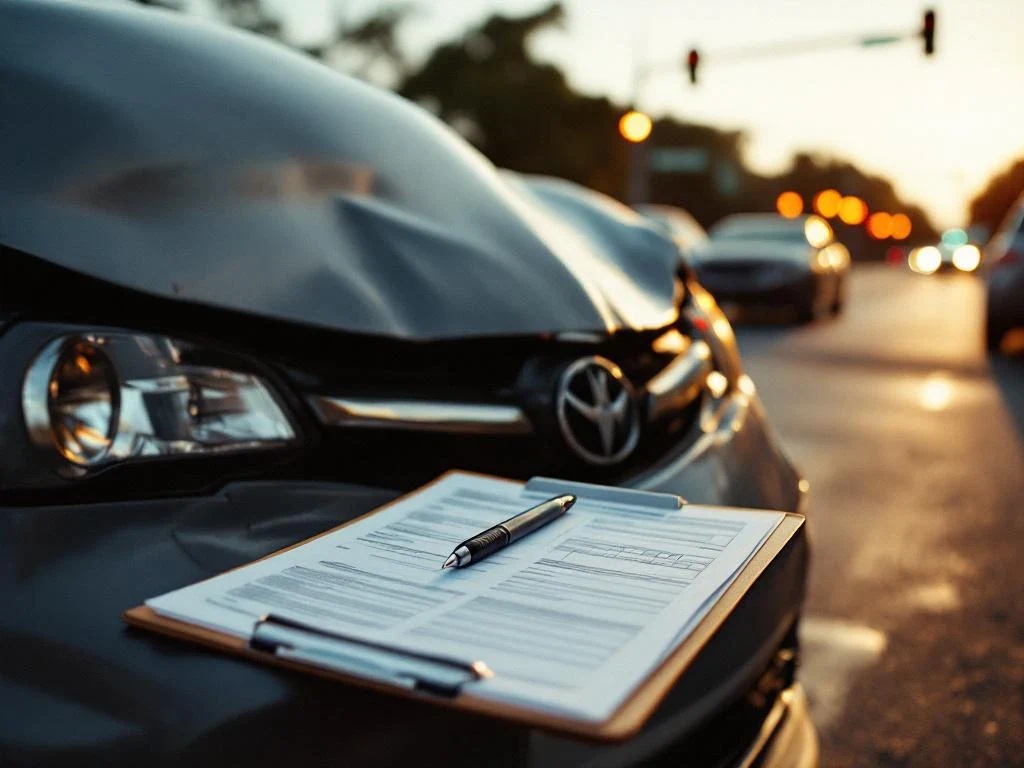
Liability in a car accident refers to the legal responsibility for damages and injuries that result from the incident. It determines who bears financial responsibility for medical expenses, property damage, and other losses. Understanding liability is crucial because it directly affects compensation claims and insurance settlements for all parties involved.
What exactly is liability in a car accident?
Liability in a car accident is the legal obligation to compensate others for damages and injuries caused by your actions or negligence while driving. It differs from fault in that liability focuses specifically on financial responsibility rather than moral blame or traffic violations.
The concept of liability encompasses several key elements. The responsible party must have owed a duty of care to other road users, breached that duty through their actions or inaction, and caused damages as a direct result. This legal framework ensures that victims receive proper compensation for their losses.
In traffic accidents, liability typically falls on the driver who violated traffic rules or acted negligently. However, circumstances can be complex, involving multiple factors such as road conditions, vehicle defects, or the actions of pedestrians and cyclists. Understanding these nuances helps protect your interests whether you’re seeking compensation or defending against claims.
How do insurance companies and police determine who is at fault?
Insurance companies and police use systematic investigation methods, including evidence collection, witness statements, traffic law analysis, and accident reconstruction, to determine fault. They examine physical evidence, review traffic regulations, and assess each party’s actions leading to the collision.
The investigation process begins immediately at the accident scene. Police officers document the positions of vehicles, road conditions, weather factors, and any visible damage. They interview all parties involved and collect witness statements to understand the sequence of events. Traffic violations such as speeding, running red lights, or improper lane changes heavily influence fault determination.
Insurance adjusters conduct their own investigations, often using accident reconstruction specialists for complex cases. They analyse skid marks, impact patterns, and vehicle damage to understand how the accident occurred. Modern technology, including traffic cameras and vehicle data recorders, provides additional evidence that helps establish a clear picture of the incident.
| Evidence Type | What It Shows | Impact on Liability |
|---|---|---|
| Skid marks | Speed and braking attempts | High – indicates driver awareness |
| Vehicle damage | Impact angles and force | High – shows collision dynamics |
| Traffic camera footage | Real-time sequence of events | Very high – objective evidence |
| Witness statements | Third-party perspective | Medium – depends on reliability |
What factors influence liability determination in different accident scenarios?
Multiple factors influence liability determination, including traffic violations, road conditions, vehicle maintenance, driver behaviour, and the specific type of accident. Each scenario requires careful analysis of how these elements contributed to the collision.
Traffic violations carry significant weight in liability assessments. Running red lights, speeding, or failing to yield the right of way typically results in clear fault assignment. However, environmental factors such as poor weather, inadequate road signage, or construction zones can complicate determinations by introducing shared responsibility.
Vehicle maintenance issues also affect liability. Faulty brakes, worn tyres, or broken lights can shift responsibility, especially if these defects contributed to the accident. Driver behaviour beyond traffic violations, such as distracted driving, fatigue, or aggressive driving patterns, influences fault determination even when no specific law was broken.
Different accident types have typical liability patterns:
- Rear-end collisions usually favour the front vehicle
- Intersection accidents depend heavily on right-of-way rules
- Lane-change accidents typically fault the merging driver
- Multi-vehicle accidents require individual analysis of each collision
Can liability be shared between multiple drivers in an accident?
Yes, liability can be shared between multiple drivers through comparative or contributory negligence principles. This means each party can be assigned a percentage of fault based on their contribution to the accident, affecting compensation amounts accordingly.
Comparative negligence allows victims to recover damages even when partially at fault, with compensation reduced by their percentage of responsibility. For example, if you’re found 20% at fault in an accident, you can still claim 80% of your damages from the other party. This system recognises that accidents often result from multiple contributing factors.
Contributory negligence, used in some jurisdictions, prevents recovery if the victim contributed to the accident in any way. However, most modern legal systems favour comparative negligence, as it provides fairer outcomes for accident victims.
Insurance settlements reflect shared liability through proportional payments. If total damages equal £10,000 and you’re 30% at fault, you’d be responsible for £3,000, while the other party covers £7,000. This approach ensures a fair distribution of financial responsibility based on actual contribution to the accident.
What should you do immediately after an accident to protect yourself from unfair liability?
Document everything thoroughly, including photos of vehicle damage, road conditions, and the accident scene. Exchange insurance information with all parties, obtain witness contact details, and report the incident to the police and your insurance company promptly.
Proper documentation protects your interests during liability investigations. Take photos from multiple angles showing vehicle positions, damage, skid marks, and any relevant road signs or signals. Note the time, weather conditions, and any statements made by other parties. This evidence proves invaluable when reconstructing the accident.
Avoid admitting fault or making statements about what happened beyond basic facts. Insurance companies and legal professionals should handle fault determination based on evidence rather than emotional reactions at the scene. Even seemingly innocent statements can be interpreted as admissions of liability.
Seek medical attention for any injuries, regardless of severity. Medical records provide important documentation linking injuries to the accident. Consider consulting legal professionals, especially for accidents involving significant damages or disputed liability. Professional guidance ensures your rights are protected throughout the claims process.
- Ensure safety and call emergency services if needed
- Document the scene with photos and notes
- Exchange information with all parties involved
- Collect witness contact details
- Report the accident to the police and insurance companies
- Seek medical attention for any injuries
- Consult legal professionals when necessary
Understanding liability in car accidents empowers you to protect your interests, whether seeking compensation or defending against claims. Professional legal guidance becomes particularly valuable when liability is disputed or damages are substantial. Use our damages calculator to estimate potential compensation for your situation.
Frequently Asked Questions
What happens if the other driver doesn't have insurance or sufficient coverage?
If the at-fault driver lacks insurance or adequate coverage, you can pursue compensation through your own uninsured/underinsured motorist coverage if available. Alternatively, you may need to file a personal lawsuit against the driver, though collecting damages from uninsured individuals can be challenging and may require legal assistance.
How long do I have to file a claim after determining liability?
Time limits for filing claims vary by jurisdiction and claim type, typically ranging from 1-3 years for personal injury claims and 2-6 years for property damage. However, it’s crucial to notify your insurance company immediately and begin the claims process as soon as possible to preserve evidence and protect your rights.
Can liability determination change after the initial assessment?
Yes, liability determination can change if new evidence emerges, such as additional witness statements, traffic camera footage, or expert accident reconstruction analysis. Insurance companies and legal professionals may reassess fault percentages when presented with compelling new information that contradicts the initial findings.
What if I disagree with the insurance company's liability assessment?
If you disagree with the liability assessment, you can challenge it by providing additional evidence, requesting an independent investigation, or hiring your own accident reconstruction expert. You may also consider legal representation to negotiate with insurance companies or pursue alternative dispute resolution methods.
How does pre-existing vehicle damage affect liability determination?
Pre-existing damage is typically excluded from accident claims, but it can complicate liability assessment if it contributed to the collision. Insurance adjusters will distinguish between old and new damage through inspection and repair estimates, ensuring you’re only compensated for accident-related damages.
Would you like to share this article?

