 NL
NL ES
ES PL
PL TR
TR


 By:
By: 
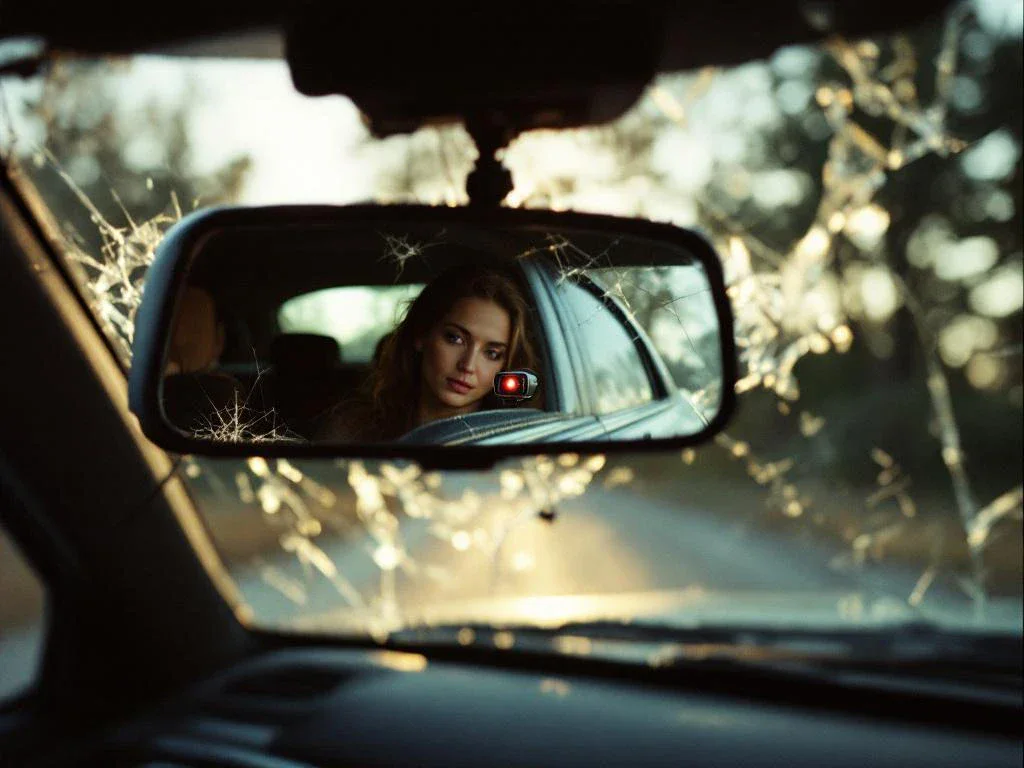
Camera footage serves as powerful evidence in car accident cases by providing objective documentation of events leading up to, during, and after a collision. Video evidence can establish fault, verify the sequence of events, and support compensation claims when properly collected and preserved. Understanding how to utilise different types of camera footage effectively can strengthen your legal position and improve settlement outcomes.
What types of camera footage can be used as evidence after a car accident?
Multiple sources of camera footage can provide valuable evidence in car accident cases. Dashcams, traffic cameras, business security cameras, mobile phone recordings, and body cameras each offer unique perspectives and legal value for establishing liability and supporting compensation claims.
Dashcam footage from vehicles involved in the accident provides the most direct perspective of events. These cameras capture the moments before, during, and immediately after impact, showing driver behaviour, road conditions, and traffic signals. The continuous recording nature of dashcams makes them particularly valuable for establishing the sequence of events.
Traffic cameras operated by local authorities monitor intersections and major roadways. This footage often provides an elevated view of the accident scene, showing vehicle positions, traffic light status, and the overall flow of traffic. However, accessing this footage requires formal requests through the proper channels.
Business security cameras from nearby shops, restaurants, or offices frequently capture accidents occurring on adjacent roads. These cameras may show different angles than dashcams or traffic cameras, providing additional context about vehicle movements and environmental factors contributing to the accident.
| Camera Type | Perspective Offered | Legal Value |
|---|---|---|
| Dashcam | Driver’s view, real-time events | Direct evidence of impact and behaviour |
| Traffic Camera | Elevated intersection view | Traffic signal status, vehicle positions |
| Security Camera | External business perspective | Additional angles, environmental context |
| Mobile Phone | Witness or participant view | Immediate aftermath documentation |
How do you properly collect and preserve video evidence from an accident scene?
Proper collection and preservation of video evidence require immediate action and careful documentation. Secure footage within hours of the accident, as many systems automatically delete recordings after short periods, typically between 24 and 72 hours depending on the camera system.
Begin by identifying all potential camera sources at the accident scene. Look for dashcams in involved vehicles, nearby businesses with external security cameras, and traffic monitoring equipment. Take photographs of camera locations and note the exact times they would have captured the incident.
When approaching businesses for surveillance footage, speak with managers or owners who have authority to release recordings. Explain the situation clearly and provide your contact details along with the specific date and time of the accident. Many businesses are willing to help but may require formal written requests.
- Document all visible cameras at the scene immediately
- Contact business owners within 24 hours of the accident
- Provide written requests with specific timeframes needed
- Obtain copies in the original digital format when possible
- Create backup copies and store them securely
- Maintain detailed records of when and how footage was obtained
Preserve video quality by requesting original files rather than copies when possible. Avoid editing or enhancing footage, as modifications can affect legal admissibility. Store multiple copies in different locations and maintain detailed documentation about the source, date obtained, and any handling procedures.
What makes camera footage legally admissible in car accident claims?
Camera footage becomes legally admissible when it meets specific authentication and quality standards. Proper chain of custody, timestamp verification, and technical authenticity are essential requirements for video evidence to be accepted in insurance claims and court proceedings.
Authentication involves proving that the footage is genuine and unaltered. This includes verifying the camera’s location, confirming that the date and time stamps are accurate, and demonstrating that the recording has not been edited or manipulated. Technical metadata often provides crucial authentication information.
The chain of custody documents everyone who has handled the footage from collection to presentation. This includes the original recorder, anyone who copied or transferred the files, and legal representatives. Gaps in this chain can compromise the evidence’s admissibility.
Video quality significantly affects admissibility and usefulness. Clear footage that shows licence plates, traffic signals, and vehicle movements carries more weight than blurry or obscured recordings. However, even lower-quality footage can provide valuable context when combined with other evidence.
Timestamp accuracy is crucial for correlating video evidence with other accident documentation, such as police reports and witness statements. Cameras with incorrect time settings may still provide valuable evidence but require additional verification to establish the actual time of events.
How does video evidence impact liability determination and compensation amounts?
Video evidence significantly influences liability determination by providing objective documentation of accident circumstances. Clear footage can definitively establish fault, contradict conflicting accounts, and demonstrate impact severity, leading to more favourable settlement negotiations and higher compensation amounts.
When video clearly shows one driver running a red light, speeding, or violating traffic rules, it eliminates disputes about fault. This objective evidence prevents insurance companies from disputing liability and often leads to faster claim resolution without lengthy investigations.
Video footage helps contradict false or inaccurate witness statements that might otherwise complicate liability determination. When multiple accounts conflict, camera evidence provides the definitive record of events, protecting accident victims from unfair blame or reduced compensation.
The severity of impact visible in video footage influences compensation calculations for both vehicle damage and personal injuries. Footage showing high-speed collisions or dramatic impact can support claims for more extensive medical treatment and longer recovery periods.
Settlement negotiations often conclude more quickly and favourably when supported by strong video evidence. Insurance adjusters recognise that clear footage strengthens the victim’s position significantly, making them more likely to offer fair compensation rather than risk court proceedings where the evidence would be presented.
Video evidence also captures important details that might be overlooked in written reports, such as road conditions, weather factors, and the behaviour of all parties involved. These details can support additional compensation claims and prevent insurance companies from minimising the accident’s impact.
If you’ve been involved in a car accident and need assistance with collecting video evidence or pursuing compensation, professional legal guidance can help maximise the value of your claim. Our team understands how to properly utilise camera footage to strengthen your case and secure the compensation you deserve. Use our damages calculator to estimate your potential compensation, or contact us for expert assistance with your claim.
Frequently Asked Questions
What should I do if a business refuses to provide security camera footage of my accident?
Contact a legal professional immediately, as they can issue formal legal requests or subpoenas to compel footage release. Document your initial request and the refusal, as this creates a legal record. Time is critical since most businesses delete footage within days.
How long do I have to collect camera footage before it's automatically deleted?
Most systems delete footage within 24-72 hours, though some may retain recordings for up to 30 days. Traffic cameras often have shorter retention periods than business security systems. Act immediately and contact all potential sources within the first 24 hours after your accident.
Can dashcam footage from my own vehicle be used against me in court?
Yes, dashcam footage can potentially show your own traffic violations or contributing factors to the accident. However, it often provides more benefits than risks by documenting the other driver’s actions and preventing false claims about your behaviour.
What happens if the camera footage is too blurry or dark to clearly show the accident details?
Poor quality footage can still provide valuable context about vehicle positions, timing, and general sequence of events. Professional video enhancement services may improve clarity, and even unclear footage helps corroborate other evidence like witness statements and police reports.
Would you like to share this article?

