 NL
NL ES
ES PL
PL TR
TR


 By:
By: 
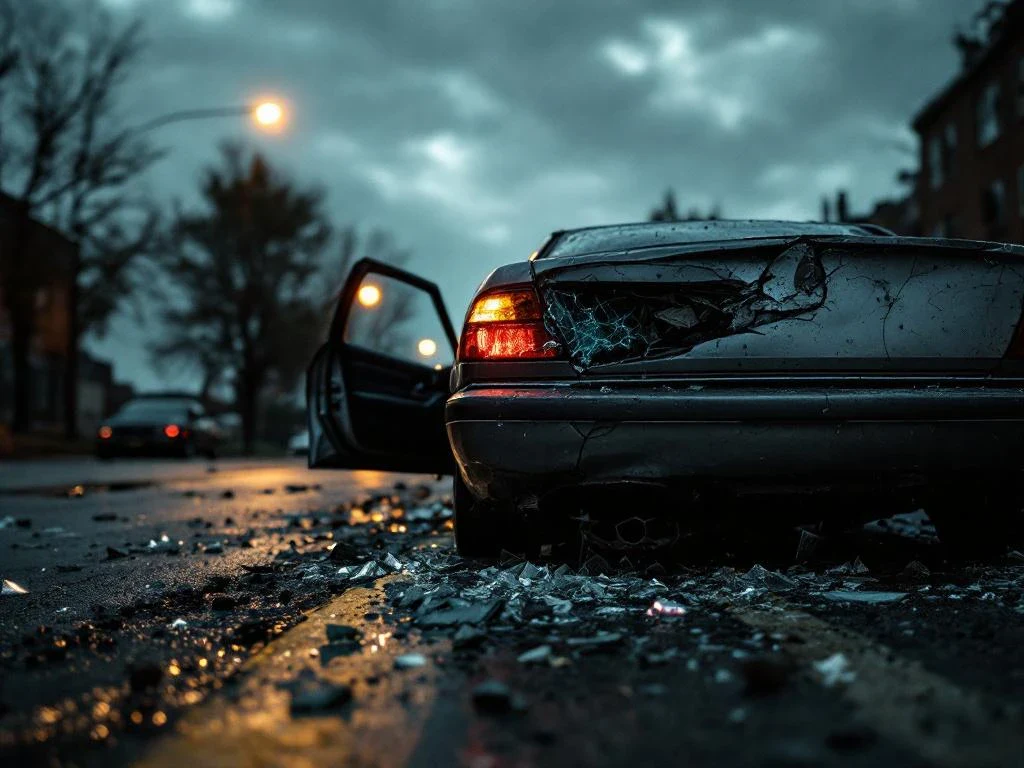
Being involved in a car accident where the driver flees the scene creates immediate challenges for victims seeking compensation and justice. Hit-and-run accidents require swift action to preserve evidence, protect your legal rights, and maximise your chances of recovery. Understanding the proper steps to take immediately after the incident, how to report it correctly, and what compensation options remain available can significantly impact your ability to recover damages for injuries and losses sustained in the collision.
What should you do immediately after a driver flees the scene?
Your immediate priorities after a hit-and-run are ensuring personal safety, calling emergency services, and preserving crucial evidence before it disappears. Move to a safe location if possible, check for injuries, and contact the police immediately. Document everything you can remember about the fleeing vehicle and gather witness information whilst the scene remains fresh.
The moments following a hit-and-run accident are critical for building a strong case. Even whilst dealing with shock or potential injuries, taking systematic action can preserve vital evidence. Call 999 immediately to report the incident and request medical assistance if needed. Police involvement is essential in hit-and-run cases, as officers can begin searching for the fleeing driver and create an official accident report.
Document the scene thoroughly using your mobile phone camera. Photograph vehicle damage, road conditions, traffic signs, and any debris left by the fleeing vehicle. Note the exact time, weather conditions, and location details. If witnesses are present, politely ask for their contact information and brief statements about what they observed. Their accounts may prove invaluable later.
Write down everything you remember about the fleeing vehicle whilst the details remain clear in your memory. Include the make, model, colour, licence plate (even partial numbers), and any distinguishing features such as damage or modifications. Also note the direction in which the vehicle travelled after leaving the scene.
How do you report a hit-and-run accident to the police and your insurer?
Report hit-and-run accidents to the police immediately at the scene, then contact your insurance company within 24 hours to begin the claims process. Provide detailed information about the incident, including witness statements, photographs, and any vehicle details you observed. Proper reporting within the required timeframes protects your ability to recover compensation through various channels.
When speaking with police officers, provide a clear, factual account of the events leading up to the collision and the driver’s departure from the scene. Avoid speculating about the other driver’s motives or condition. Request the police report number for your records, as this document will be essential for insurance claims and potential legal proceedings.
Contact your insurance company as soon as reasonably possible after the accident. Most insurers require notification within 24–48 hours of an incident. Provide them with the police report number, photographs of the damage, witness contact information, and any details about the fleeing vehicle. Be honest about the circumstances but stick to factual observations.
| Reporting Step | Timeframe | Required Information |
|---|---|---|
| Police Report | Immediately | Location, time, vehicle descriptions, witness details |
| Insurance Notification | Within 24 hours | Policy number, police report number, damage photos |
| Medical Documentation | As soon as possible | Injury details, treatment received, ongoing symptoms |
What evidence do you need to build a strong hit-and-run case?
Strong hit-and-run cases require comprehensive documentation, including photographs, witness statements, medical records, and any physical evidence from the scene. The more evidence you preserve immediately after the accident, the better your chances of identifying the fleeing driver and securing compensation. Each type of evidence serves a specific purpose in establishing liability and damages.
Photographic evidence forms the foundation of your case. Capture multiple angles of vehicle damage, showing both close-up details and wider shots that establish context. Document the accident scene, including road conditions, weather, traffic signals, and any skid marks or debris. Take photos of your injuries as they develop over the following days and weeks.
Witness statements provide independent verification of events and may include crucial details you missed during the trauma of the accident. Collect full names, phone numbers, and addresses where possible. Ask witnesses to describe what they saw in their own words and whether they noticed any details about the fleeing vehicle or driver.
Medical documentation establishes the extent and nature of your injuries. Seek medical attention promptly, even for seemingly minor injuries that may worsen over time. Keep detailed records of all medical appointments, treatments, prescriptions, and how your injuries affect your daily activities. This documentation supports both immediate medical expenses and ongoing care needs.
Security camera footage from nearby businesses, traffic cameras, or residential properties may have captured the accident or the fleeing vehicle. Act quickly to request this footage, as many systems automatically delete recordings after a few days or weeks.
Can you still get compensation if the fleeing driver is never found?
Yes, compensation remains possible through uninsured motorist coverage, comprehensive insurance policies, and government victim compensation schemes, even when the hit-and-run driver is never identified. Your own insurance policy may provide the primary source of recovery, whilst additional compensation options exist depending on your specific circumstances and coverage levels.
Uninsured motorist coverage specifically addresses situations where the at-fault driver cannot be identified or lacks insurance. This coverage, if included in your policy, treats the unknown driver as uninsured and provides compensation for medical expenses, lost wages, and other damages up to your policy limits.
Your comprehensive coverage may pay for vehicle repairs or replacement, regardless of whether the other driver is found. This coverage typically requires paying your deductible, but it ensures your vehicle damage is addressed promptly without waiting for the investigation to conclude.
- Review your insurance policy for uninsured motorist coverage limits
- Check whether your policy includes underinsured motorist protection
- Understand your comprehensive coverage deductible and limits
- Explore government victim compensation programmes for serious injuries
- Consider personal injury protection (PIP) coverage for immediate medical expenses
Government victim compensation schemes may provide additional support for serious injuries or in cases involving criminal activity. These programmes typically have specific eligibility requirements and application deadlines, making prompt action essential.
How does a personal injury lawyer help with hit-and-run claims?
Personal injury lawyers provide investigation resources, insurance negotiation expertise, and legal advocacy to maximise compensation recovery in hit-and-run cases. They understand the complexities of dealing with multiple insurance companies, gathering evidence, and exploring all available compensation sources. Professional legal representation becomes particularly valuable when injuries are significant or insurance companies dispute claims.
Legal professionals have access to investigation resources that individual victims cannot easily obtain. They can work with private investigators to locate fleeing drivers, access traffic camera footage, and interview witnesses more thoroughly. Their investigation efforts often uncover evidence that significantly strengthens your case.
Insurance companies may attempt to minimise payouts or deny claims entirely, particularly in hit-and-run cases where fault determination can be challenging. Experienced lawyers understand insurance company tactics and can negotiate effectively to secure fair compensation. They know how to present evidence persuasively and counter common insurance company arguments.
Lawyers also identify all potential sources of compensation that victims might overlook. This includes exploring coverage under family members’ policies, commercial vehicle insurance if the accident occurred during work activities, and premises liability if poor property maintenance contributed to the accident.
The legal process can be overwhelming when you’re dealing with injuries and vehicle repairs simultaneously. Professional representation allows you to focus on recovery whilst ensuring your legal interests are protected throughout the claims process.
Hit-and-run accidents present unique challenges, but understanding your options and taking prompt action significantly improve your chances of securing fair compensation. Whether through insurance claims or legal proceedings, professional guidance helps you navigate the complexities and ensures you receive the support you deserve. Consider using a damages calculator to estimate potential compensation and speak with legal professionals who can evaluate your specific situation and recommend the most effective approach for your recovery.
Frequently Asked Questions
How long do I have to report a hit-and-run accident to my insurance company?
Most insurance companies require notification within 24-48 hours of the accident, though some policies allow up to 72 hours. Contact your insurer as soon as possible after ensuring your safety and reporting to police, as delays could potentially affect your claim’s validity or processing speed.
What if I only got a partial licence plate number from the fleeing vehicle?
Even partial licence plate information can be valuable for police investigations and insurance claims. Provide whatever details you remember to authorities immediately, as they can use partial plates combined with vehicle descriptions and location data to identify potential matches through their database systems.
Will my insurance premiums increase if I file a hit-and-run claim?
Hit-and-run claims typically don’t increase your premiums since you’re not at fault for the accident. However, policies vary by insurer and your claims history. Some companies offer accident forgiveness programmes, whilst others may still apply rate increases despite your non-fault status.
Can I pursue compensation if the hit-and-run driver is found but has no insurance?
Yes, you can still seek compensation through your uninsured motorist coverage if included in your policy. You may also pursue a personal injury lawsuit against the driver directly, though collecting damages depends on their financial resources and assets available for recovery.
What should I do if I start experiencing pain days after a hit-and-run accident?
Seek medical attention immediately, as delayed pain is common after accidents due to adrenaline and shock masking initial symptoms. Document all symptoms and treatments, as this medical evidence remains crucial for insurance claims even when injuries manifest days or weeks after the incident.
Would you like to share this article?

