 NL
NL ES
ES PL
PL TR
TR


 By:
By: 
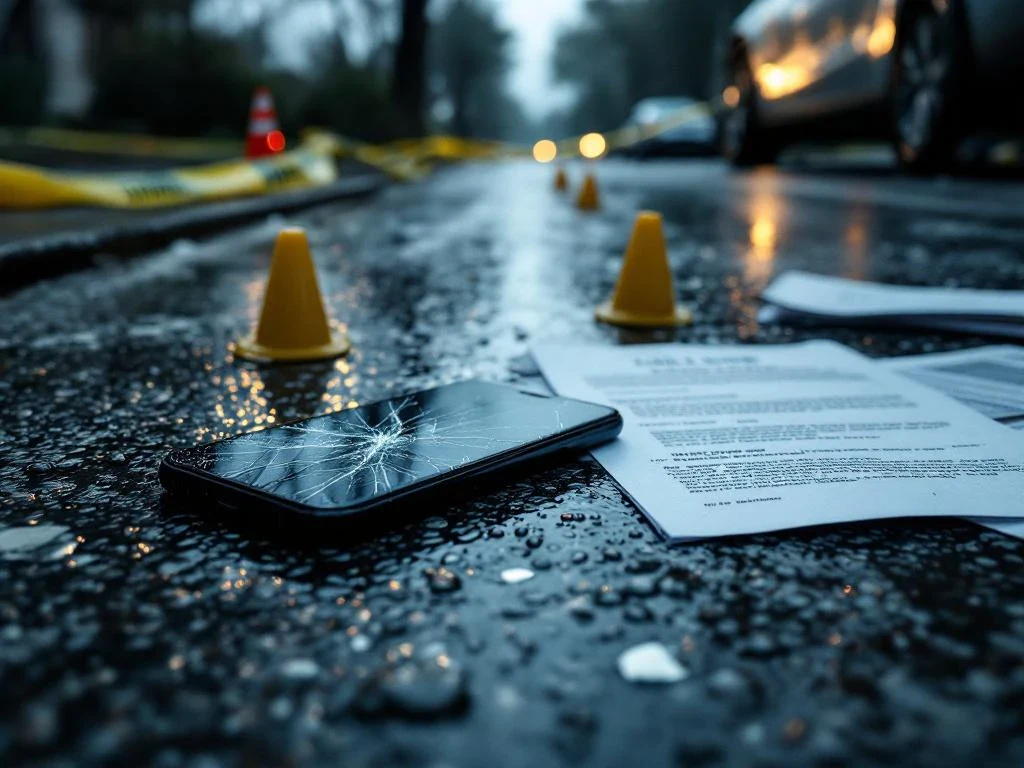
Preserving evidence after a car accident is crucial for securing fair compensation for your injuries. The key is to act quickly while details remain fresh and physical evidence is still available. Document everything possible at the scene, collect witness information, obtain police reports, and seek immediate medical attention. The sooner you begin gathering evidence, the stronger your car accident claim will be.
What evidence should you collect immediately after being hit by a car?
The most critical evidence includes photographs of all vehicle damage, the accident scene, and any visible injuries, along with contact details for all parties involved, witness information, police report numbers, and immediate medical documentation. This evidence forms the foundation of your compensation claim and must be gathered before the scene is cleared.
Photographic evidence serves as your most powerful tool for preserving the accident scene. Take multiple photos from different angles showing vehicle positions, damage patterns, skid marks, road conditions, traffic signals, and street signs. Capture wide shots that show the overall scene and close-up images that detail specific damage. Don’t forget to photograph any visible injuries you’ve sustained, as these images can be crucial for medical claims.
Contact information is equally vital. Record the full name, phone number, address, driver’s licence number, and insurance details of all drivers involved. If passengers were present, collect their information as well. Many people exchange only basic details, but comprehensive information prevents complications later when insurance companies require complete records.
Medical documentation should begin immediately, even if your injuries seem minor. Visit a healthcare provider as soon as possible after the accident, as some injuries, like whiplash, may not manifest symptoms immediately. Keep all medical records, receipts, and documentation of treatments, as these directly support your injury claims.
How do you properly document the accident scene before evidence disappears?
Document the scene systematically by photographing vehicle positions before they’re moved, capturing all damage from multiple angles, recording road conditions and weather, noting traffic control devices, and creating detailed written notes while your memory is fresh. Physical evidence at accident scenes disappears quickly once vehicles are removed and traffic resumes.
Start with overview photographs that show the entire accident scene, including all vehicles in their post-collision positions. These establish the context and help accident reconstruction experts understand what happened. Take photos from all four directions of the intersection or road section where the accident occurred.
- Photograph each vehicle’s damage from multiple angles
- Capture the exact positions of all vehicles involved
- Document skid marks, debris, and any fluid spills
- Record traffic signs, signals, and road markings
- Note weather conditions and lighting
- Take pictures of the surrounding area for context
Written documentation should accompany your photographs. Create a detailed account of what happened while the events are fresh in your memory. Note the time, date, weather conditions, traffic patterns, and your recollection of how the accident occurred. Include details about what each driver was doing immediately before the collision.
Pay attention to environmental factors that may have contributed to the accident. Document poor lighting, obscured signs, road construction, weather conditions, or any other circumstances that might be relevant to determining fault.
Why is witness information crucial and how do you secure it effectively?
Witness testimony provides independent, objective accounts of the accident that can verify your version of events and counter false claims from the other party. Witnesses offer neutral perspectives that insurance companies and courts value highly when determining fault and liability in car accident cases.
Independent witnesses carry more weight than passengers in your vehicle because they have no vested interest in the outcome. Their statements can be decisive when there are conflicting accounts of what happened. Insurance adjusters often rely heavily on witness statements when determining fault percentages.
Approach witnesses politely and explain that you need their help documenting what they saw. Most people are willing to assist if you’re respectful and brief. Ask for their full name, phone number, email address, and a brief statement about what they observed. If possible, record their account on your phone or have them write down their observations.
| Witness Type | Value | Collection Priority |
|---|---|---|
| Independent bystanders | Highest credibility | First priority |
| Other drivers | Good perspective | Second priority |
| Passengers in other vehicles | Moderate value | Third priority |
| Your passengers | Lower credibility | Last priority |
Don’t let potential witnesses leave without getting their information. People often want to avoid involvement, but explain that their brief statement could be crucial for ensuring the truth comes out. If witnesses are reluctant to stay, ask whether you can quickly take their contact information for potential follow-up.
What should you do if the other driver tries to avoid responsibility?
If the other driver attempts to flee, denies fault, provides false information, or refuses to cooperate, immediately contact the police, document their behaviour, secure independent witnesses, take photos of their vehicle and licence plate, and avoid confrontation while protecting your legal interests through proper documentation.
Never let someone talk you out of calling the police, especially if they claim the accident was minor or offer to pay cash on the spot. This behaviour often indicates they’re uninsured, intoxicated, or trying to avoid responsibility. Always insist on an official police report for any car accident involving injuries or significant damage.
If the other driver becomes aggressive or uncooperative, maintain your composure and focus on gathering evidence. Don’t engage in arguments about fault at the scene. Instead, document their behaviour and statements, as these can be relevant to your case later. If they refuse to provide insurance information, photograph their licence plate and vehicle clearly.
When someone attempts to leave the scene, try to safely observe and record their licence plate number, vehicle description, and direction of travel. Call the police immediately and report a hit-and-run. Don’t attempt to follow or physically stop them, as this could be dangerous and might complicate your case.
Record any statements the other driver makes, especially if they admit fault or make contradictory claims. Many people say things at the scene that they later try to change when speaking with insurance companies. Having documentation of their immediate statements can be valuable evidence.
How can legal professionals help preserve evidence for your claim?
Legal professionals can secure expert accident reconstruction services, obtain surveillance footage before it’s deleted, coordinate with medical experts for comprehensive injury documentation, prevent insurance companies from destroying evidence, and handle complex legal procedures that preserve your rights throughout the claims process.
Experienced legal teams have resources and expertise that individual accident victims cannot access independently. They know which evidence will be most valuable for your specific case and how to obtain it through proper legal channels. Professional assistance becomes particularly important when dealing with serious injuries or complex liability situations.
Accident reconstruction experts can analyse the evidence you’ve collected and combine it with their technical expertise to create detailed reports about how the accident occurred. These professionals can determine vehicle speeds, impact angles, and other technical factors that support your case.
Legal professionals also understand the timelines involved in evidence preservation. They can send preservation notices to businesses that might have surveillance footage, coordinate with medical providers to ensure proper documentation of your injuries, and handle communications with insurance companies to prevent evidence from being lost or destroyed.
Many legal bureaus specialising in personal injury cases offer completely free consultations and assistance, with their fees paid directly by the responsible party’s insurance company. This means you can access professional help with evidence preservation without any upfront costs, ensuring you have the best possible foundation for your compensation claim. If you need assistance with your car accident case, we encourage you to calculate your potential damages and contact qualified legal professionals who can help protect your interests from the very beginning of the claims process.
Frequently Asked Questions
What if I didn't take enough photos at the accident scene?
While immediate scene documentation is ideal, you can still strengthen your case by returning to photograph the location during similar conditions, obtaining surveillance footage from nearby businesses, and working with accident reconstruction experts who can analyze the evidence you did collect.
How long do I have to gather evidence before it becomes unavailable?
Critical evidence like surveillance footage is often deleted within 30-90 days, while witness memories fade quickly. Police reports are typically available within 5-10 days. Act immediately to preserve evidence, as physical traces disappear once the scene is cleared and traffic resumes.
What should I do if witnesses refuse to provide their contact information?
Respect their decision but try to get at least a brief recorded statement on your phone about what they saw. If they’re completely unwilling to help, note their physical description and location where you approached them for potential future identification.
How can I prove my injuries are related to the accident if symptoms appeared days later?
Seek medical attention immediately after the accident, even if you feel fine, and inform doctors about the collision. Keep detailed records of when symptoms developed and maintain consistent medical treatment to establish a clear connection between the accident and your injuries.
What evidence is most important if the other driver's insurance company denies my claim?
Independent witness statements, police reports, and photographic evidence of vehicle damage and scene conditions are crucial. Medical documentation linking your injuries to the accident and any recorded admissions of fault by the other driver also significantly strengthen your position.
Would you like to share this article?

