 NL
NL ES
ES PL
PL TR
TR


 By:
By: 
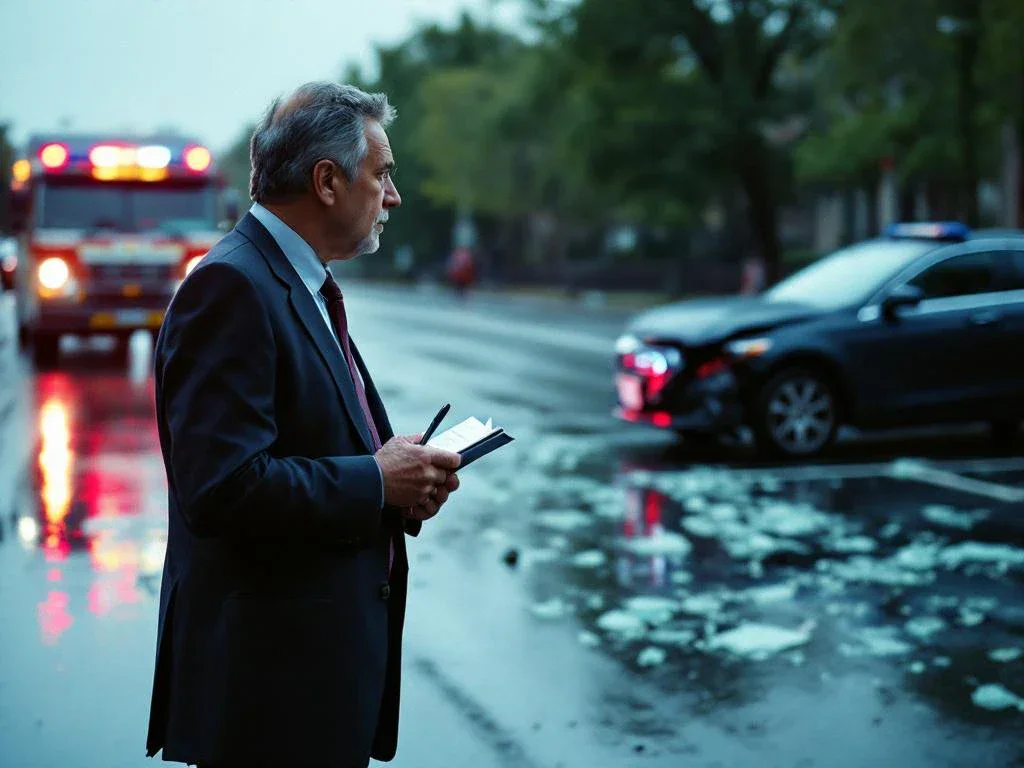
Collecting witness information after a car accident strengthens your claim and provides independent verification of events. Witnesses offer objective perspectives that can establish fault, counter disputed liability claims, and serve as crucial evidence in legal proceedings. Proper witness testimony can significantly impact your car accident claim outcome and compensation amount.
Why are witness statements so crucial after a car accident?
Witness statements provide independent verification of accident details that neither party involved can dispute based on personal interest. They offer objective accounts of what happened, helping establish fault when liability is contested between drivers or insurance companies.
These statements strengthen insurance claims by providing third-party evidence that supports your version of events. Insurance adjusters rely heavily on witness testimony when determining fault percentages and settlement amounts. Independent witnesses carry significant weight because they have no financial stake in the outcome.
Witness testimony serves as critical evidence in legal proceedings should your case require formal litigation. Courts value neutral observer accounts, especially when accident details are disputed. Witnesses can testify about vehicle positions, traffic signals, weather conditions, and driver behavior that may have contributed to the collision.
The objective perspective witnesses provide can effectively counter disputed liability claims from the other party. When drivers have conflicting accounts of the accident, witness statements often determine which version insurance companies and courts accept as accurate.
What essential information should you collect from accident witnesses?
Collect complete contact details, including full name, phone number, email address, and home address from each witness. This information ensures you can reach them later when insurance companies or legal representatives need their statements for your claim.
Document their detailed account of what they observed, including:
- Vehicle positions before, during, and after the collision
- The direction each vehicle was traveling
- Estimated speeds of the vehicles involved
- Traffic light colors or stop sign compliance
- Driver behavior they noticed
- Sounds they heard before or during impact
Record their exact location during the accident and how clearly they could see the events unfold. Note whether they witnessed the entire sequence or only portions of the collision. Document the timeline of events as they remember it, including what happened immediately before and after impact.
Ask about weather and road conditions from their perspective, including visibility issues, wet pavement, or construction zones. Request copies of any photos or videos they may have taken at the scene, as visual evidence significantly strengthens witness testimony.
How do you approach witnesses effectively at an accident scene?
Identify potential witnesses by looking for people who stopped to help, nearby pedestrians, other drivers, or individuals from adjacent businesses who may have seen the collision. Approach them calmly and respectfully, acknowledging that emotions may be running high for everyone involved.
Ensure everyone’s safety comes first by staying away from traffic lanes and moving to a safe location before conducting interviews. Create a comfortable environment where witnesses feel at ease providing information without feeling pressured or rushed to give statements.
Introduce yourself politely and explain that you’re gathering information about the accident. Thank them for their willingness to help and ask if they have a few minutes to share what they observed. Respect their time constraints and personal comfort levels.
Use a calm, non-confrontational tone when asking questions. Avoid leading questions that might influence their responses or suggest particular answers. Allow them to tell their story in their own words before asking for specific details or clarifications.
| Approach Strategy | What to Do | What to Avoid |
|---|---|---|
| Initial Contact | Polite introduction, thank them for helping | Rushing or appearing desperate |
| Environment | Move to a safe, quiet location | Conducting interviews near traffic |
| Communication | Calm, respectful tone | Aggressive or leading questions |
| Time Management | Respect their scheduling constraints | Keeping them longer than is comfortable |
What specific questions yield the most valuable witness testimony?
Use open-ended questions that allow witnesses to describe events in their own words without suggesting specific answers. Start with broad questions like “Can you tell me what you saw happen?” or “What drew your attention to the accident?” These questions encourage complete narratives.
Ask for specific details about vehicle positions and movements: “Which direction was each car traveling?” “Did you notice either vehicle changing lanes?” “How would you describe the speed of each vehicle?” These details help reconstruct the accident sequence accurately.
Focus on timing and sequence questions to establish the order of events: “What happened immediately before the collision?” “Did you see brake lights?” “Which vehicle entered the intersection first?” Timing details often determine fault in traffic accidents.
Inquire about environmental factors that may have contributed to the accident: “What were the weather conditions?” “Was visibility clear?” “Did you notice any road hazards or construction?” “Were traffic signals working properly?” These factors can significantly impact liability determination.
When dealing with a car accident, professional legal assistance helps ensure all witness statements are properly documented and used effectively. Whether you’ve sustained minor injuries or more serious harm, having experienced legal support can make a substantial difference in your claim’s outcome. For comprehensive assistance with your case and to calculate potential compensation accurately, consider consulting specialists who can guide you through the entire process and help you understand your rights. Calculate your potential compensation to better understand what you may be entitled to receive.
Frequently Asked Questions
What should I do if witnesses leave the scene before I can collect their information?
Contact local police immediately and ask if they documented witness information in their report. Check with nearby businesses for security camera footage that might have captured the accident and potential witnesses. Post on local social media groups or community boards asking if anyone witnessed the accident and is willing to provide a statement.
How long after an accident can I still contact witnesses for their statements?
Contact witnesses as soon as possible, ideally within 24-48 hours while details remain fresh in their memory. However, witness statements can still be valuable weeks or even months later, especially if the case goes to litigation. The sooner you collect statements, the more accurate and detailed they typically are.
What if a witness seems hesitant to get involved or provide their contact information?
Respect their concerns and explain that providing a statement could help ensure justice is served. Assure them that their involvement would likely be limited to a brief statement and possibly a phone call from insurance representatives. If they remain hesitant, ask if they’d be comfortable providing an anonymous written account of what they observed.
Can I record witness statements on my phone, and is this legally acceptable?
Recording witness statements can be helpful for accuracy, but always ask for explicit permission before recording anyone. Laws vary by jurisdiction regarding consent for recordings. Written statements or detailed notes are often preferred by insurance companies and courts, as they provide clear documentation without potential legal complications regarding recording consent.
How do insurance companies verify the credibility of witness statements?
Insurance adjusters typically contact witnesses directly to confirm their statements and ask follow-up questions. They evaluate consistency between multiple witness accounts and compare statements to physical evidence from the scene. Witnesses who provide detailed, consistent accounts and have no relationship to either party involved carry the most credibility in claim investigations.
Would you like to share this article?

