NL
NL ES
ES PL
PL


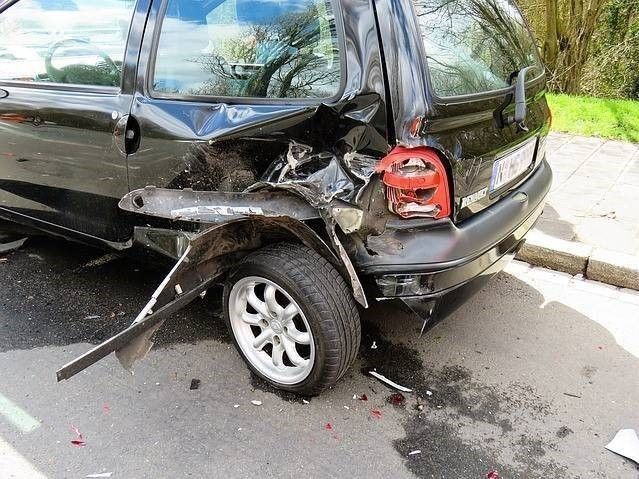
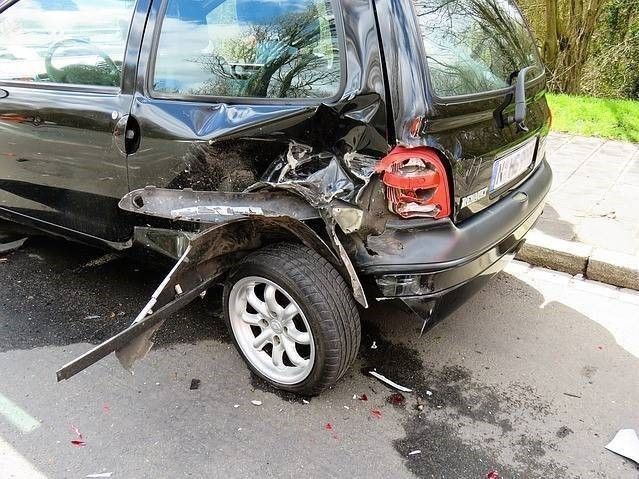
A rear-end collision caused by sudden hard braking occurs when the vehicle behind can no longer avoid the vehicle in front. Common rear-end collisions due to sudden hard braking are collisions at a traffic light. Getting hit from behind can also occur with sudden hard braking: for example, at a traffic sign, speed camera, or with a crossing animal. Who is at fault for the collision depends in part on whether the sudden hard braking was necessary.
In this article you will read:
- When does sudden hard braking cause a collision?
- Collision caused by sudden hard braking: who is at fault?
- Common collisions caused by sudden hard braking
When does sudden hard braking cause a collision?
A rear-end collision caused by sudden hard braking occurs when the vehicle behind can no longer avoid the vehicle in front. A collision due to sudden hard braking can occur in the following situations:
Braking at a traffic sign
For example, when passing a traffic sign with the maximum speed limit. If a motorist slams on the brakes to reach the maximum permitted speed and the vehicle behind does not notice this in time, a rear-end collision can occur.
Injured, pain or physical complaints after a rear-end collision? We provide free legal assistance and consultation for personal injury victims.
Braking at a traffic light
It occasionally happens that people unexpectedly step on the brake at a green traffic light or at a traffic light that changes to orange. The car driving behind them can no longer avoid them and collides with them.
Braking for a speed camera
Braking at a speed camera to avoid a fine can lead to a rear-end collision. The car behind does not expect the car in front of him to suddenly brake hard. As a result, he brakes too late and collides with the vehicle in front.
Braking for crossing animals
Do you suddenly have to brake hard for a cat or duck crossing the road? Then it is possible that your vehicle behind does not see this (in time) and collides with you.
Braking after overtaking or changing lanes
Sudden hard braking after overtaking or changing lanes can lead to a rear-end collision.
Braking when approaching a traffic jam
Not only can this lead to a rear-end collision, but even a chain collision.
Collision caused by sudden hard braking: who is at fault?
In the event of a rear-end collision caused by sudden hard braking, the question is who is at fault. Is it the vehicle in front that braked or the vehicle behind that collided? In the event of sudden hard braking without any traffic necessity, the vehicle in front can be regarded as the culprit.
Sudden hard braking without a traffic emergency is braking without there being a danger to human life. However, this still requires the rear driver to maintain sufficient distance.
Common collisions caused by sudden hard braking
Many collisions due to sudden hard braking happen at a traffic light and when passing a traffic sign or speed camera. Braking for crossing animals can also lead to a collision, as can:
- unexpectedly hard braking when approaching a traffic jam;
- after overtaking;
- or change lanes.
If the collision occurs due to sudden hard braking without a traffic emergency, the driver in front can be considered at fault.

Want to share this article?