 NL
NL ES
ES PL
PL TR
TR


 By:
By: 
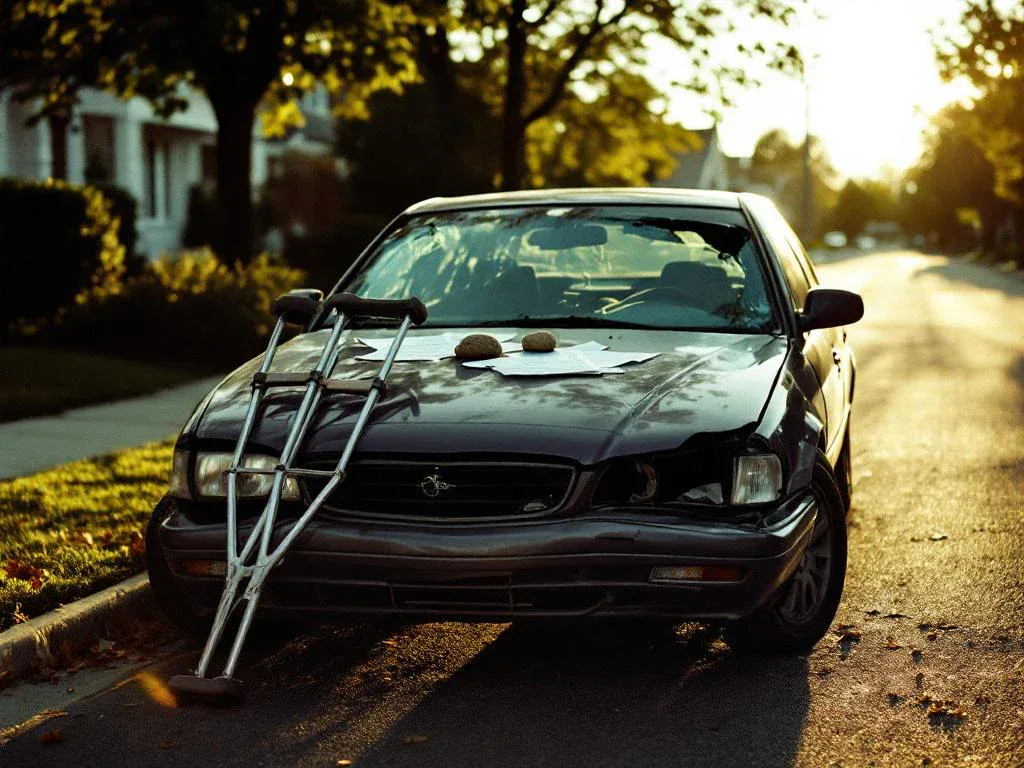
Being hit by a car creates unique personal injury circumstances that differ significantly from other types of accidents. Car accidents involve high-impact forces that cause complex injury patterns, multiple liability factors, and specialized legal considerations. The combination of severe trauma, property damage, and insurance complexities makes vehicular injury cases distinct from workplace accidents, slip and falls, or medical malpractice claims. Understanding these differences helps victims navigate the specialized legal and medical landscape following a car accident.
What types of injuries make car accidents different from other personal injury cases?
Car accidents produce distinctive injury patterns due to the extreme forces involved in vehicular collisions. The sudden deceleration, impact angles, and confined space of vehicles create trauma combinations rarely seen in other types of accidents. These injuries often affect multiple body systems simultaneously, requiring specialized medical expertise and extended treatment periods.
Whiplash injuries are particularly common in car accidents, occurring when the head and neck are violently thrown forward and backward during impact. This soft tissue damage can cause chronic pain, headaches, and mobility issues that may not appear immediately after the accident. Unlike injuries from falls or workplace incidents, whiplash specifically results from the rapid acceleration and deceleration forces unique to vehicle collisions.
Traumatic brain injuries frequently occur in car accidents, even without direct head impact. The brain can be injured by the sudden movement within the skull during a collision, leading to concussions, cognitive impairment, and long-term neurological complications. These injuries require specialized neurological assessment and can have lasting effects on memory, concentration, and personality.
The confined space of vehicles also creates unique injury risks. Passengers may suffer from:
- Chest and abdominal injuries from seatbelt compression
- Leg and knee injuries from dashboard impact
- Spinal cord damage from the force of the collision
- Internal organ damage from rapid deceleration
- Psychological trauma from the sudden, violent nature of the accident
Why is determining fault more complex in car accident cases?
Fault determination in car accidents involves multiple variables and legal considerations that make these cases more complex than typical personal injury claims. Traffic laws, road conditions, vehicle maintenance, weather factors, and the actions of multiple parties all contribute to liability assessment. Insurance companies, police reports, and witness testimony must be carefully evaluated to establish fault accurately.
Traffic law violations play a central role in determining fault, but the application is not always straightforward. A driver may have been speeding, but if another driver ran a red light, the fault percentage may be split between both parties. Comparative negligence rules mean that multiple parties can share responsibility, affecting compensation amounts for all involved.
Road conditions and infrastructure defects add another layer of complexity. Poor road maintenance, inadequate signage, or faulty traffic signals may shift partial liability to local authorities. Weather conditions at the time of the accident can also influence fault determination, as drivers have different responsibilities during rain, snow, or fog.
Vehicle defects introduce additional liable parties, including manufacturers, dealerships, or maintenance providers. If brake failure or steering problems contributed to the accident, fault may extend beyond the drivers involved. This creates a web of potential defendants and insurance policies that must be navigated carefully.
The following factors complicate fault determination:
- Multiple vehicles and drivers with different insurance policies
- Conflicting witness testimony and differing interpretations of police reports
- Complex traffic situations involving pedestrians or cyclists
- Commercial vehicles with additional regulatory requirements
- Hit-and-run scenarios requiring extensive investigation
How do car accident compensation amounts differ from other injury claims?
Car accident compensation typically involves larger settlement amounts due to the severity of injuries, property damage, and multiple cost factors unique to vehicular accidents. Unlike slip and fall cases or workplace injuries, car accident claims must account for vehicle replacement costs, rental car expenses, and often more extensive medical treatment due to the severity of the trauma.
Property damage is a significant component that does not exist in most other personal injury cases. Victims must be compensated for vehicle repair or replacement, personal items damaged in the accident, and loss of vehicle use during repair periods. These costs can range from thousands to tens of thousands of pounds, depending on the vehicles involved.
Medical expenses in car accident cases often exceed those in other types of injury due to emergency room treatment, ambulance services, diagnostic imaging, and specialist consultations. The multi-system injuries common in car accidents require comprehensive medical evaluation and treatment from various specialists, including orthopaedic surgeons, neurologists, and physiotherapists.
Insurance policy limits significantly impact compensation amounts in car accident cases. Multiple insurance policies may be involved, including the at-fault driver’s liability coverage, the victim’s underinsured motorist coverage, and potentially commercial policies if business vehicles were involved. Understanding these policy interactions is crucial for maximizing compensation.
| Compensation Component | Car Accidents | Other Personal Injury |
|---|---|---|
| Property Damage | Vehicle repair/replacement, personal items | Rarely applicable |
| Medical Costs | Emergency care, multiple specialists | Typically a single type of treatment |
| Lost Income | Often extended due to injury severity | Variable based on injury type |
| Pain and Suffering | Higher due to trauma severity | Depends on specific circumstances |
What immediate steps are uniquely important after being hit by a car?
The immediate aftermath of a car accident requires specific actions that differ from other types of accidents due to traffic safety concerns, legal requirements, and evidence preservation needs. Unlike workplace accidents or medical malpractice situations, car accidents occur in public spaces with ongoing traffic dangers and require immediate police involvement and scene documentation.
Emergency response is the absolute priority, but car accident scenes present unique challenges. If possible, move vehicles out of traffic to prevent additional accidents, but do not move injured persons unless there is immediate danger. Turn on hazard lights and use road flares or warning triangles if available. Call 999 immediately for both police and medical assistance, even if injuries seem minor.
Police reporting is mandatory for car accidents and creates official documentation that is crucial for insurance claims and legal proceedings. Provide factual information about what happened without admitting fault or speculating about causes. The police report will include officer observations, witness statements, and initial fault determinations that significantly impact your claim.
Evidence preservation at car accident scenes requires immediate attention due to traffic flow and weather conditions. Take photographs of vehicle damage, road conditions, traffic signs, and the overall accident scene from multiple angles. Document the exact location, time, and weather conditions. This evidence may be lost if not captured immediately after the accident.
Insurance notification procedures for car accidents are time-sensitive and involve multiple parties. Contact your insurance company immediately, even if you were not at fault. Obtain insurance information from all drivers involved and provide your information as required by law. Avoid discussing fault or settlement amounts with other insurance companies without legal representation.
The complexity of car accident cases, from unique injury patterns to multi-party liability and specialized compensation factors, makes professional legal guidance essential regardless of injury severity. Understanding these distinctive aspects helps victims recognize when they need specialized assistance to protect their rights and secure appropriate compensation. If you have been involved in a car accident, consider using a damages calculator to understand potential compensation amounts and seek qualified legal support to navigate the complex claims process effectively.
Frequently Asked Questions
How long do I have to file a car accident claim after being hit?
In the UK, you typically have three years from the date of the accident to file a personal injury claim. However, it’s crucial to start the process as soon as possible while evidence is fresh and witnesses are available. Delaying can weaken your case and make it harder to prove liability and damages.
What should I do if the other driver's insurance company contacts me directly?
Be polite but avoid giving detailed statements or accepting any settlement offers without legal consultation. Insurance companies may try to minimize payouts by getting you to admit fault or accept low offers quickly. Direct them to your solicitor or insurance company instead of negotiating directly.
Can I still claim compensation if I was partially at fault for the accident?
Yes, under UK comparative negligence laws, you can still receive compensation even if you were partially at fault. Your compensation will be reduced by your percentage of fault. For example, if you’re found 20% at fault, you’ll receive 80% of the total damages awarded.
How do I handle medical treatment costs while my car accident claim is pending?
Use your private health insurance if available, or access NHS treatment for immediate care. Keep detailed records of all medical expenses and treatments. Many personal injury solicitors work on a ‘no win, no fee’ basis and can arrange private medical treatment that gets paid from your settlement.
What if the driver who hit me doesn't have insurance or fled the scene?
You can claim through the Motor Insurers’ Bureau (MIB), which compensates victims of uninsured or hit-and-run drivers. You’ll need to report the accident to police within 14 days and apply to MIB within three years. Your own uninsured motorist coverage may also provide compensation.
Would you like to share this article?

