 NL
NL ES
ES PL
PL TR
TR


 By:
By: 
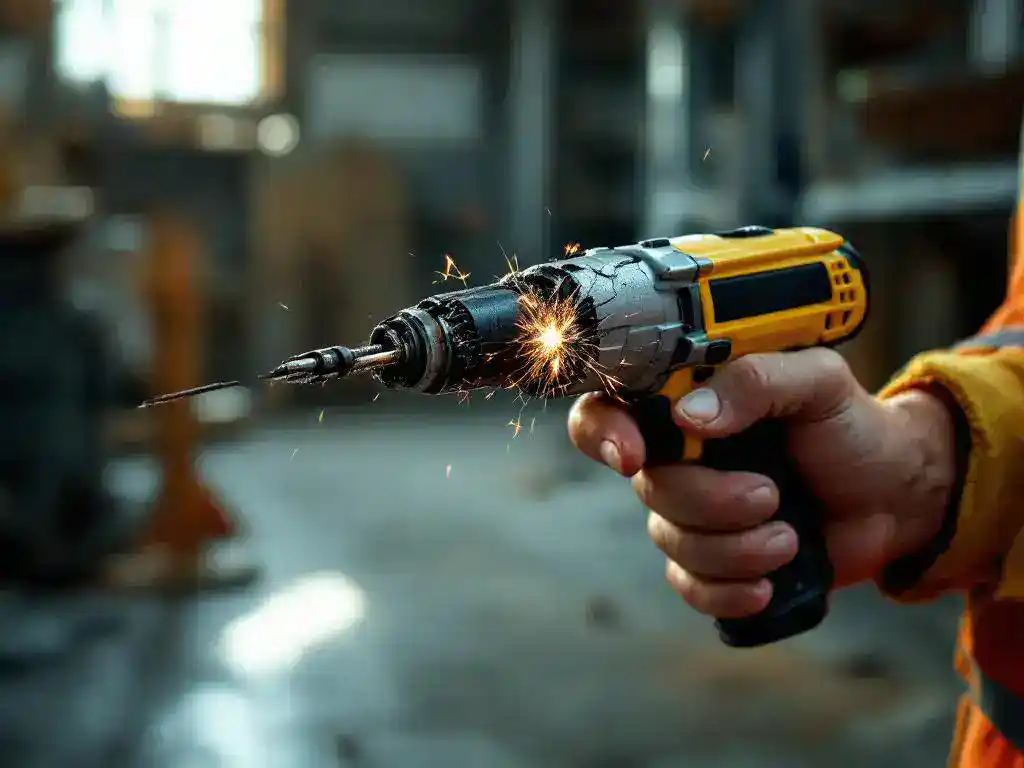
A workplace accident involving defective tools can result in serious injuries and complex legal situations. When faulty equipment causes harm at work, multiple parties may bear responsibility, including employers, manufacturers, and equipment suppliers. Understanding your rights and the steps to take immediately after such an incident is crucial for protecting your health and securing appropriate compensation for your injuries.
What constitutes a defective tool injury in the workplace?
A defective tool injury occurs when faulty equipment malfunctions and causes harm to a worker during normal use. These injuries can result from manufacturing defects, design flaws, or inadequate safety warnings that make tools dangerous even when they are used properly.
Manufacturing defects occur during production when tools fail to meet their intended design specifications. Common examples include power tools with faulty wiring, hand tools with weak metal components, or machinery with improperly installed safety guards. These defects make tools dangerous regardless of how carefully they are used.
Design flaws represent fundamental problems with how tools are conceived and engineered. Unlike manufacturing defects, design flaws affect entire product lines. Examples include power saws without adequate blade guards, machinery with controls placed in dangerous locations, or tools that lack proper safety mechanisms.
Typical defective tool accidents involve:
- Electric shock from power tools with damaged insulation
- Cuts from hand tools with defective safety mechanisms
- Crushing injuries from hydraulic equipment failures
- Burns from overheating machinery
- Eye injuries from tools lacking proper guards
Who is legally responsible when defective tools cause workplace injuries?
Legal responsibility for defective tool injuries typically involves multiple parties, creating complex liability chains. Employers, manufacturers, and suppliers may all share responsibility depending on the specific circumstances of your accident.
Employers have a fundamental duty to provide safe working equipment and maintain tools in proper condition. They must inspect equipment regularly, replace worn or damaged tools, and ensure workers receive appropriate safety training. When employers fail to meet these obligations, they may be held liable for resulting injuries.
Manufacturers bear responsibility for producing safe tools that meet industry standards. They must design products with adequate safety features, use quality materials, and provide clear warnings about potential hazards. Product liability laws hold manufacturers accountable when defective tools cause injuries during normal use.
Third-party scenarios arise when equipment rental companies, maintenance contractors, or suppliers provide defective tools. These parties may share liability if they knew or should have known about defects but failed to address them properly.
Multiple parties often share responsibility in defective tool cases. For example, a manufacturer might be liable for a design flaw, while an employer may be responsible for failing to maintain the equipment properly. This shared liability can actually benefit injury victims by providing multiple sources of compensation.
What compensation can you claim for defective tool injuries at work?
Compensation for defective tool injuries typically includes medical expenses, lost wages, pain and suffering, and disability benefits. The total amount depends on the severity of the injury, its long-term impact, and the degree of negligence involved in your case.
Medical expense compensation covers all treatment costs related to your injury, including emergency care, surgeries, rehabilitation, and ongoing medical needs. This compensation can also extend to future medical expenses when injuries require long-term treatment or cause permanent disabilities.
Lost wage compensation includes both immediate income loss and reduced earning capacity. If your injury prevents you from returning to your previous job or limits your ability to work, compensation accounts for these long-term financial impacts.
| Compensation Type | Coverage | Duration |
|---|---|---|
| Medical Expenses | All treatment costs | Current and future |
| Lost Wages | Income replacement | Until return to work |
| Pain and Suffering | Physical and emotional impact | Based on injury severity |
| Disability Benefits | Permanent impairment | Lifetime if applicable |
Pain and suffering compensation addresses the physical discomfort and emotional distress caused by your injury. Permanent disability benefits provide ongoing support when injuries result in lasting impairments that affect your quality of life and ability to work.
How do you prove your injury was caused by a defective tool?
Proving liability for a defective tool requires demonstrating that the equipment was faulty and directly caused your injury. Essential evidence includes the defective tool itself, medical records, witness statements, and expert testimony linking the defect to your injury.
Preserving the defective equipment is crucial for your case. The tool provides physical evidence of the defect and allows experts to examine how the malfunction occurred. Never attempt to repair or modify the equipment after your accident, as this can compromise important evidence.
Documentation requirements include detailed medical records showing the extent of your injuries, photographs of the accident scene and equipment, and any incident reports filed with your employer. Maintenance records can also help show whether the tool had a history of problems.
Witness statements from coworkers who saw the accident or knew about equipment problems strengthen your case. These statements provide independent verification of how the accident occurred and whether others had experienced similar issues with the tool.
Expert testimony from engineers or safety specialists helps establish the connection between the defect and your injury. These experts can explain technical aspects of the malfunction and demonstrate how the defect made the tool unreasonably dangerous.
What should you do immediately after being injured by defective workplace tools?
Seek immediate medical attention and report the incident to your employer while preserving all evidence related to the defective tool. Quick action protects both your health and your legal rights in potential compensation claims.
Your immediate action plan should include:
- Get emergency medical care for your injuries
- Report the accident to your supervisor or safety officer
- Document the scene with photographs if possible
- Preserve the defective tool without alterations
- Collect contact information from witnesses
- Keep detailed records of all medical treatment
- Contact legal representation for guidance
Timeline considerations are important because evidence can disappear and witness memories can fade over time. While you focus on recovery, having legal representation helps ensure that crucial evidence is preserved and your rights are protected throughout the process.
Common mistakes to avoid include attempting to fix the defective tool, failing to report the incident promptly, or accepting quick settlement offers without understanding the full extent of your injuries. These mistakes can significantly harm your ability to recover fair compensation.
Professional legal guidance is essential when dealing with defective tool injuries because these cases involve complex liability issues and multiple potentially responsible parties. Understanding compensation calculations and navigating insurance claims requires expertise to ensure you receive appropriate compensation for your injuries. If you have been injured by defective workplace tools, contact us for a free consultation to discuss your case and explore your legal options.
Frequently Asked Questions
How long do I have to file a claim after being injured by a defective tool at work?
The time limit for filing a claim varies by jurisdiction, but typically ranges from 1-3 years from the date of injury or discovery of the defect. However, it’s crucial to act quickly as evidence preservation and witness availability become more challenging over time, and some procedural deadlines may be shorter.
Can I sue the tool manufacturer even if my employer provided workers' compensation?
Yes, you can typically pursue a product liability claim against the manufacturer while receiving workers’ compensation benefits. Workers’ compensation covers your immediate needs, but a separate lawsuit against the manufacturer can provide additional compensation for pain, suffering, and damages not covered by workers’ comp.
What if my employer claims I was using the tool incorrectly when the accident happened?
Even if you weren’t following exact protocols, you may still have a valid claim if the tool was defectively designed or manufactured. Courts consider whether the tool failed during ‘reasonably foreseeable use,’ which can include some misuse or deviation from instructions, especially if the defect made the tool unreasonably dangerous.
How do I know if a tool defect caused my injury versus normal wear and tear?
This determination requires expert analysis of the equipment to identify manufacturing defects, design flaws, or premature failures that wouldn’t occur with normal wear. An experienced attorney can arrange for engineering experts to examine the tool and determine whether the failure was due to a defect or expected deterioration.
What should I do if my employer wants to dispose of the defective tool after my accident?
Immediately request that the tool be preserved as evidence and document this request in writing. If possible, take photographs and note the tool’s serial number and condition. Contact an attorney quickly, as they can send a formal preservation notice to prevent destruction of crucial evidence needed for your case.
Would you like to share this article?

