 NL
NL ES
ES PL
PL TR
TR


 By:
By: 
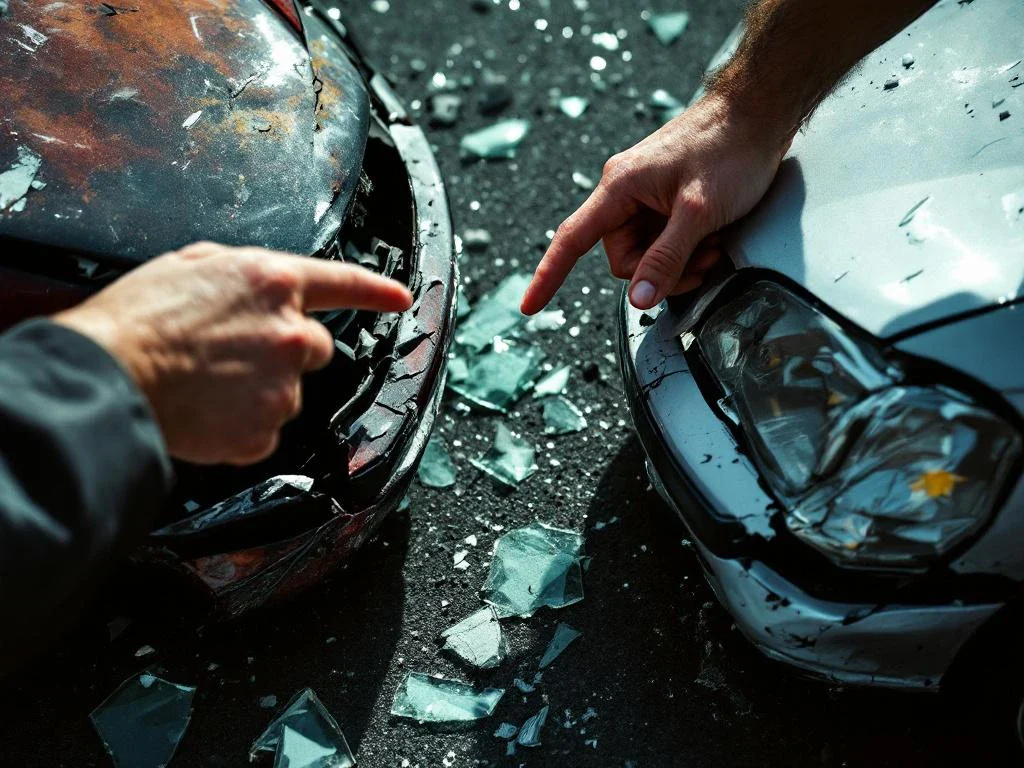
When the other party denies the accident, remain calm and immediately begin documenting everything. Take photographs of all vehicles, the accident scene, and any visible damage. Collect contact information from witnesses and request a police report. Never admit fault or engage in heated discussions. Instead, focus on gathering evidence that will support your version of events when dealing with insurance companies and potential legal proceedings.
What should you do immediately when the other party denies the accident?
Stay calm and avoid confrontation while methodically documenting the scene. Your priority is collecting evidence, not convincing the other party of their responsibility. Take multiple photographs from different angles showing vehicle positions, damage, road conditions, and any relevant traffic signs or signals.
Contact the police immediately, even for minor accidents when fault is disputed. A police report provides an official record of the incident and includes the officer’s assessment of the scene. Request witness contact information before they leave, as their statements can be crucial for your car accident claim.
Write down exactly what happened while the details are fresh in your memory. Include the time, weather conditions, traffic situation, and the sequence of events leading to the collision. Avoid discussing fault with the other driver or making statements that could be interpreted as admissions of guilt.
Exchange insurance information and take photographs of both driving licences and insurance cards. If the other party refuses to cooperate or becomes aggressive, prioritise your safety and wait for police assistance. Document their refusal to exchange information, as this behaviour can work against them during the claims process.
What evidence do you need when someone denies causing an accident?
Photographic evidence is your strongest ally when fault is disputed. Take comprehensive pictures of vehicle damage, skid marks, debris patterns, and the final positions of all vehicles involved. These images help reconstruct the accident and often reveal details that contradict false claims.
The following evidence strengthens your position significantly:
- Police report with officer observations and any citations issued
- Witness statements with full contact information
- Traffic camera footage from nearby intersections or businesses
- Mobile phone records showing the other driver was distracted
- Weather and road condition documentation
Dashcam footage provides irrefutable evidence of what occurred before and during the collision. If you don’t have a dashcam, check whether nearby vehicles, businesses, or traffic cameras captured the incident. Many commercial properties have security cameras that might have recorded the accident.
Medical records become essential if you sustained injuries, even minor ones. Seek medical attention promptly and keep all documentation of treatments, prescriptions, and follow-up appointments. This evidence demonstrates the accident’s impact on your health and supports compensation claims.
How does insurance handle claims when the other party denies fault?
Insurance companies conduct independent investigations when fault is disputed, examining all available evidence to determine liability. They review police reports, witness statements, photographs, and damage patterns to reconstruct the accident sequence. This process typically takes several weeks to complete.
Adjusters use specific criteria to assess fault determination:
| Evidence Type | Impact on Fault Decision | Reliability Level |
|---|---|---|
| Police Report | High influence on initial assessment | Very High |
| Witness Statements | Strong supporting evidence | High |
| Vehicle Damage | Reveals impact angles and speed | High |
| Driver Statements | Considered but often contradictory | Medium |
When evidence is inconclusive, insurers may assign comparative fault percentages to each party. This means both drivers share responsibility, with compensation adjusted accordingly. For example, if you’re found 20% at fault, your compensation would be reduced by that percentage.
The investigation process can become complex when both insurance companies disagree on fault determination. In such cases, they may enter arbitration or subrogation proceedings to resolve the dispute without involving policyholders directly.
When should you contact a lawyer if the other party denies the accident?
Contact a legal professional immediately if the other party denies the accident and you’ve sustained any injuries, regardless of severity. Early legal intervention helps preserve evidence, prevents insurance companies from taking advantage of your situation, and ensures your rights are fully protected throughout the claims process.
Several warning signs indicate you need professional legal assistance. If the other driver’s insurance company refuses to accept liability, unreasonably delays the investigation, or offers an inadequate settlement, legal representation becomes essential. Similarly, if your own insurance company isn’t advocating strongly for your interests, independent legal advice protects your position.
Complex accident scenarios require experienced legal guidance. Multi-vehicle collisions, accidents involving commercial vehicles, or incidents where significant property damage occurred alongside personal injuries need professional handling. These cases often involve multiple insurance companies and complex liability determinations.
Legal professionals can strengthen your case by conducting independent investigations, hiring accident reconstruction experts, and negotiating with insurance companies on your behalf. They understand the tactics insurers use to minimise payouts and can counter these strategies effectively.
Don’t delay seeking legal advice when the other party denies fault. Evidence can disappear, witnesses become harder to locate, and insurance companies may pressure you into accepting inadequate settlements. Professional legal guidance ensures you receive fair compensation while protecting your long-term interests. Use our damages calculator to estimate potential compensation, then contact us for comprehensive legal support throughout your claim.
Frequently Asked Questions
What happens if there are no witnesses and it's my word against theirs?
Focus on physical evidence like vehicle damage patterns, skid marks, and debris placement which often tell the true story. Insurance adjusters are trained to analyze these details alongside police reports to determine fault even without witness testimony.
How long do I have to file a claim when the other party denies causing the accident?
Most insurance policies require notification within 24-48 hours of the accident, regardless of fault disputes. However, you typically have 2-3 years to file a legal claim, though earlier action preserves evidence better.
What should I do if the other driver's insurance company contacts me directly?
Be polite but refer them to your insurance company or lawyer without providing detailed statements. Their goal is gathering information to minimize their liability, so avoid admitting fault or accepting quick settlement offers.
Can I still recover damages if I'm found partially at fault for the accident?
Yes, under comparative negligence laws, you can still receive compensation reduced by your percentage of fault. For example, if you’re 30% responsible, you’ll receive 70% of the total damages awarded.
Would you like to share this article?

