 NL
NL ES
ES PL
PL TR
TR


 By:
By: 
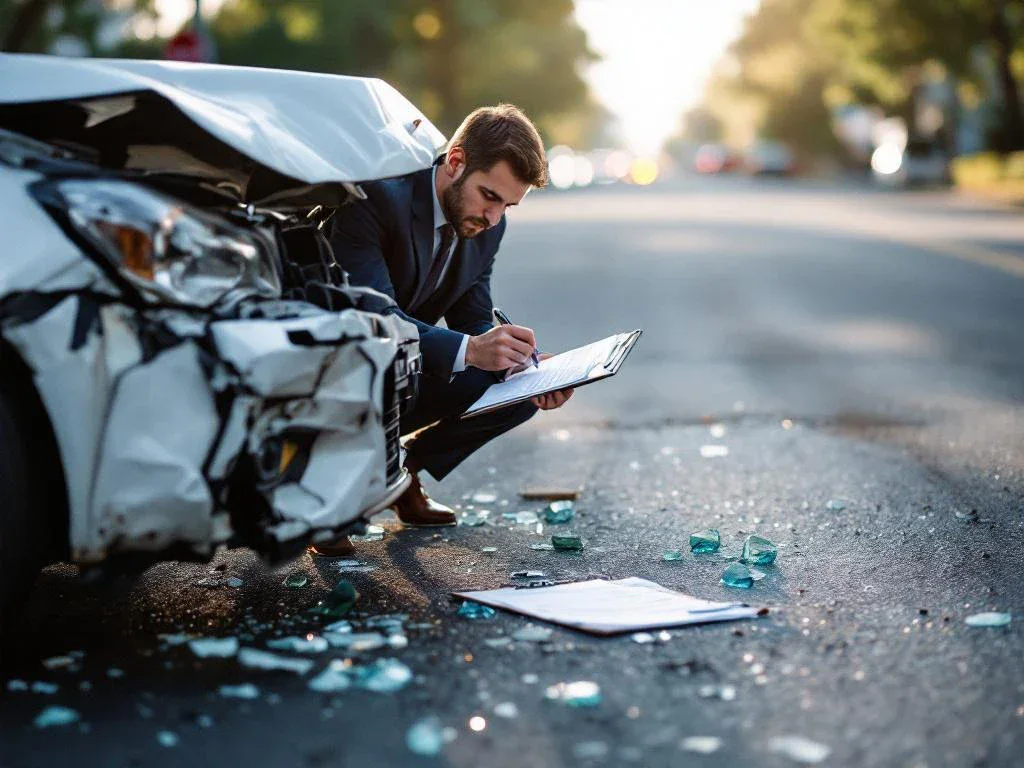
When you’re hit by a car, the other driver’s liability insurance typically covers your damages and injuries. This mandatory third-party coverage protects accident victims by paying for medical expenses, lost wages, vehicle repairs, and pain and suffering. Understanding how car accident claims work through liability insurance helps ensure you receive proper compensation. The process involves filing a claim, documenting damages, and negotiating with the insurance company for a fair settlement.
What is liability insurance and how does it protect accident victims?
Liability insurance is mandatory coverage that protects third parties when a driver causes an accident. In the Netherlands, every vehicle must carry this insurance, which covers damages and injuries inflicted on others. This protection ensures victims receive compensation regardless of the at-fault driver’s personal financial situation.
The insurance operates on a third-party liability basis, meaning it covers damages to others rather than the policyholder. When you’re struck by a car, this coverage becomes your primary source of compensation. The policy typically includes two main components: bodily injury liability and property damage liability.
Bodily injury liability covers medical expenses, rehabilitation costs, lost income, and pain and suffering. Property damage liability covers vehicle repairs, replacement costs, and damaged personal belongings. This comprehensive protection ensures accident victims aren’t left bearing the financial burden of someone else’s negligence.
The mandatory nature of this coverage provides crucial protection. Even if the at-fault driver lacks personal assets, their insurance company remains legally obligated to compensate victims up to the policy limits. This system creates a safety net that protects innocent parties from devastating financial consequences.
How does the insurance claim process work after being hit by a car?
The insurance claim process begins immediately after the accident with documentation and notification. You must report the incident to both your insurance company and the at-fault driver’s insurer within a reasonable timeframe. Proper documentation at the accident scene significantly impacts your claim’s success.
Essential steps include:
- Gathering driver information, insurance details, and witness contacts
- Photographing vehicle damage, injuries, and accident scene conditions
- Obtaining a police report if injuries occurred or significant damage exists
- Seeking immediate medical attention for any injuries, however minor
- Keeping detailed records of all accident-related expenses and communications
The insurance company will assign a claims adjuster to investigate the accident, review documentation, and determine liability. This process typically takes several weeks, during which the adjuster may request additional information, medical records, or independent accident reconstruction.
Settlement negotiations follow the investigation phase. The insurer will present an initial offer based on their damage assessment. This first offer often undervalues your claim, making negotiation necessary. The entire process can take anywhere from a few months to over a year, depending on injury severity and liability disputes.
What damages can you claim through the other driver’s liability insurance?
Liability insurance covers both economic and non-economic damages resulting from the accident. Economic damages include quantifiable financial losses, while non-economic damages compensate for intangible suffering and the impact on your life. Understanding these categories helps ensure you claim all eligible compensation.
| Economic Damages | Non-Economic Damages |
|---|---|
| Medical expenses and treatment costs | Pain and suffering |
| Lost wages and earning capacity | Emotional distress |
| Vehicle repair or replacement | Loss of enjoyment of life |
| Property damage and personal items | Permanent disability or disfigurement |
| Rehabilitation and ongoing care | Loss of consortium |
Medical expenses encompass all treatment costs, including emergency care, hospital stays, surgeries, medications, physical therapy, and future medical needs. Lost income covers both immediate wage loss and reduced future earning capacity due to permanent injuries.
Pain and suffering represents significant compensation for physical discomfort, emotional trauma, and reduced quality of life. This non-economic damage often constitutes the largest portion of serious injury settlements. The compensation amount depends on injury severity, recovery duration, and the long-term impact on your daily activities.
Long-term care costs include ongoing medical treatment, assistive devices, home modifications, and personal care services. These future expenses require careful calculation to ensure adequate compensation for lifetime needs resulting from the accident.
Why might an insurance company deny your liability claim after a car accident?
Insurance companies may deny claims for various reasons, often seeking to minimise their financial exposure. Common reasons for denial include disputed liability, policy exclusions, coverage limitations, and insufficient documentation. Understanding these potential issues helps prevent wrongful claim rejections.
Liability disputes occur when fault determination remains unclear or contested. The insurance company might argue their policyholder wasn’t responsible for the accident, citing factors like shared fault, traffic violations by the victim, or conflicting witness statements. These disputes require thorough investigation and evidence presentation.
Policy exclusions can void coverage in specific circumstances:
- Driver operating under the influence of alcohol or drugs
- Intentional acts or criminal behaviour during the accident
- Unlicensed or unauthorised drivers using the insured vehicle
- Vehicle used for commercial purposes under a personal policy
- Accidents occurring outside the policy’s geographical coverage area
Insufficient documentation frequently leads to claim denials or reduced settlements. Missing medical records, inadequate accident scene documentation, or failure to report injuries promptly can jeopardise your claim. Insurance companies exploit documentation gaps to question injury causation or accident circumstances.
Coverage limitations may result in partial claim denials when damages exceed policy limits. While the insurance company remains liable up to its policy maximum, victims must pursue additional compensation through other means. This situation emphasises the importance of understanding policy limits early in the claims process.
When facing claim denials or inadequate settlement offers, seeking professional legal assistance becomes crucial. Specialised legal support helps you navigate complex insurance procedures, gather necessary evidence, and negotiate fair compensation. Our damages calculator can provide initial insight into your potential compensation, while experienced legal professionals ensure you receive the full compensation you deserve after a car accident.
Frequently Asked Questions
How long do I have to file a liability insurance claim after being hit by a car?
You should notify both insurance companies immediately, ideally within 24-48 hours of the accident. While most policies allow several days to weeks for formal claim filing, delays can complicate the process and potentially jeopardize your claim’s success.
What should I do if the at-fault driver's insurance company offers a settlement that seems too low?
Never accept the first settlement offer, as insurance companies typically start with lowball amounts. Gather all medical records, repair estimates, and documentation of lost wages, then negotiate or consider hiring a personal injury attorney to advocate for fair compensation.
Can I still recover damages if the other driver's insurance policy limits are lower than my total damages?
Yes, you have several options including pursuing the at-fault driver personally for remaining damages, using your own underinsured motorist coverage if available, or exploring other liable parties such as employers or vehicle owners.
What happens if the other driver flees the scene or doesn't have insurance despite legal requirements?
In hit-and-run cases or uninsured driver situations, you can file a claim with your own uninsured/underinsured motorist coverage, pursue compensation through government victim compensation funds, or take legal action if the driver is later identified.
How do insurance companies determine fault when both drivers claim the other was responsible?
Insurance adjusters investigate using police reports, witness statements, traffic camera footage, vehicle damage patterns, and accident reconstruction experts. They assign fault percentages, and in disputed cases, independent investigations or legal proceedings may be necessary.
Would you like to share this article?

