 NL
NL ES
ES PL
PL TR
TR


 By:
By: 
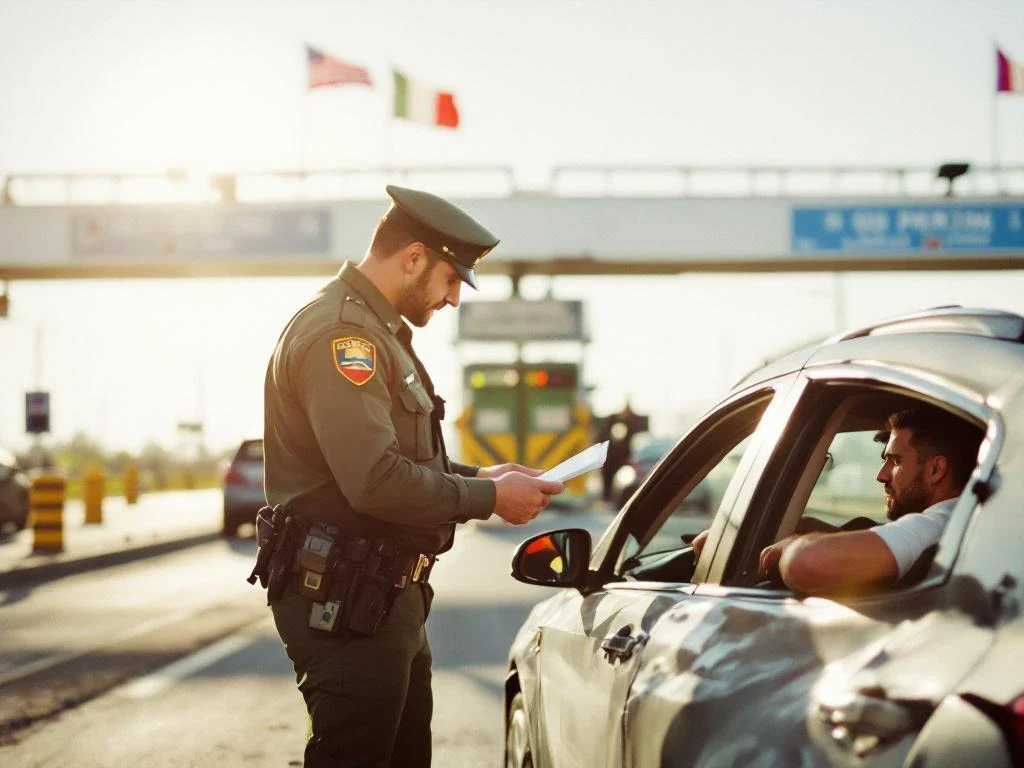
Cross-border assistance for car accidents provides essential support when traffic incidents involve multiple countries or jurisdictions. This specialised service helps you navigate complex international insurance claims, legal procedures, and documentation requirements. Whether you’re involved in a car accident abroad or dealing with foreign drivers in the Netherlands, understanding your rights and the available assistance is crucial for securing proper compensation.
What is cross-border assistance for car accidents and when do you need it?
Cross-border assistance for car accidents is specialised support that helps victims navigate legal and insurance complexities when traffic incidents involve multiple countries. You need this assistance when you’re involved in accidents abroad, when foreign drivers cause accidents in your home country, or during cross-border travel.
This type of assistance becomes essential in several scenarios. When Dutch citizens experience car accidents while travelling in other European countries, they face unfamiliar legal systems and insurance procedures. Similarly, when foreign drivers cause accidents in the Netherlands, victims may encounter challenges dealing with overseas insurance companies and different compensation standards.
These legal complexities arise because each country has distinct traffic laws, insurance requirements, and liability rules. European Union regulations provide some harmonisation, but significant differences remain in how claims are processed, which damages are covered, and how compensation is calculated. Cross-border assistance bridges these gaps by providing expertise in international accident procedures.
Professional legal support becomes particularly valuable when dealing with serious injuries or disputed liability. Insurance companies may attempt to apply their home country’s lower compensation standards, making expert intervention necessary to protect your rights.
How does insurance coverage work when you have a car accident in another country?
Dutch car insurance policies typically extend coverage to accidents occurring in other European countries through the Green Card system. Your comprehensive insurance usually provides the same protection abroad as at home, although minimum coverage requirements vary significantly between European nations.
The Green Card insurance system ensures that your Dutch policy meets minimum requirements in other European countries. However, these minimum requirements are often substantially lower than Dutch standards. For instance, while the Netherlands requires high minimum coverage amounts, some European countries have much lower thresholds.
When dealing with accidents involving foreign drivers, the situation becomes more complex. Each country maintains compensation bodies that handle claims when foreign vehicles cause accidents. These bodies ensure that victims can pursue claims even when dealing with overseas insurance companies.
| Country | Minimum Third-Party Coverage | Personal Injury Coverage |
|---|---|---|
| Netherlands | €6.07 million | €1.22 million per person |
| Germany | €7.5 million | €7.5 million |
| Belgium | €100 million | €100 million |
| France | €100 million | €100 million |
Understanding these differences is crucial because they affect potential compensation amounts. When foreign insurance companies offer settlements based on their lower domestic standards, professional assistance helps ensure that you receive compensation according to higher Dutch or EU standards where applicable.
What are your rights as a Dutch citizen involved in a car accident abroad?
Dutch citizens involved in car accidents abroad retain strong legal rights under European Union regulations and international agreements. EU directives ensure that accident victims can pursue compensation in their home country and receive protection equivalent to domestic standards in many situations.
The Motor Insurance Directive provides fundamental protections for EU citizens travelling abroad. This directive ensures that victims can claim compensation for injuries and damages regardless of where the accident occurs within the EU. You retain the right to pursue claims according to the law most favourable to your situation.
Compensation bodies in each European country serve as intermediaries for cross-border claims. These bodies handle claims when accidents involve foreign vehicles and ensure that victims are not disadvantaged by dealing with overseas insurance companies. The Dutch compensation body, for instance, can assist with claims involving foreign drivers in the Netherlands.
In certain circumstances, Dutch law may still apply to your case even when accidents occur abroad. This is particularly beneficial for victims because Dutch compensation standards are often more generous than those in other countries. Professional legal assistance helps determine which jurisdiction offers the most advantageous legal framework for your specific situation.
Your rights include pursuing compensation for medical expenses, lost income, pain and suffering, and other damages recognised under the applicable law. These rights remain protected regardless of where the accident occurs or which country’s insurance company is involved.
How do you file a cross-border car accident claim and what documents do you need?
Filing a cross-border car accident claim requires systematic documentation and an understanding of international procedures. Begin by reporting the accident to the local police and your insurance company immediately, then gather comprehensive evidence, including photos, witness statements, and official accident reports from the country where the incident occurred.
Essential documentation for cross-border claims includes:
- Official police reports from the accident location
- Medical records and treatment documentation
- Insurance policy details for all parties involved
- Photographic evidence of vehicle damage and the accident scene
- Witness contact information and statements
- Employment records showing lost income
- Receipts for all accident-related expenses
Obtaining police reports and medical records from foreign countries can present challenges due to language barriers and different administrative procedures. Many countries require specific request procedures or official translations. Professional assistance streamlines this process and ensures that all necessary documentation is properly obtained and formatted.
Evidence collection at the accident scene is particularly crucial for international cases. Take comprehensive photographs of vehicle positions, damage, road conditions, and traffic signs. Exchange complete insurance and contact information with all parties involved, including policy numbers and insurance company details.
The claims process typically involves submitting documentation to the appropriate compensation body or insurance company. Professional legal assistance ensures that claims are filed correctly and that appropriate follow-up takes place when responses are delayed or inadequate. Expert support also helps calculate compensation accurately according to the most favourable applicable standards.
Cross-border car accident cases require specialised knowledge of international insurance law and procedures. We provide comprehensive assistance for accident victims dealing with complex international claims, ensuring that you receive maximum compensation regardless of where your accident occurred. Contact us for expert guidance on your cross-border accident claim.
Frequently Asked Questions
What should I do immediately after a car accident in a foreign country?
Contact local emergency services if anyone is injured, then call the police to file an official report. Take comprehensive photos of the accident scene, vehicle damage, and collect insurance information from all parties. Notify your Dutch insurance company within 24 hours and seek medical attention even for minor injuries to create proper documentation.
How long do I have to file a cross-border accident claim?
Limitation periods vary significantly between European countries, ranging from one to six years depending on the jurisdiction and type of claim. Some countries require initial notification within days or weeks of the accident. It’s crucial to begin the claims process immediately to avoid missing critical deadlines that could bar your compensation claim entirely.
What happens if the foreign driver's insurance company refuses to pay adequate compensation?
You can escalate the claim through the compensation body in the country where the accident occurred, which acts as an intermediary for cross-border disputes. Professional legal assistance can help determine if Dutch law applies to your case, potentially securing higher compensation standards than those offered by the foreign insurer.
Can I choose which country's laws apply to my cross-border accident case?
In many situations, you can pursue compensation under the law most favourable to your case, whether that’s the law where the accident occurred, where you reside, or where the liable party is insured. EU regulations often allow victims to benefit from the highest compensation standards available, making professional legal advice essential for maximizing your claim.
What if I need ongoing medical treatment after returning to the Netherlands from an accident abroad?
Document all medical treatments received abroad and continue treatment in the Netherlands while maintaining detailed records. Your cross-border claim should include both foreign and domestic medical expenses, along with ongoing treatment costs. Professional assistance ensures that future medical needs are properly calculated and included in your compensation claim.
Would you like to share this article?

