 NL
NL ES
ES PL
PL TR
TR


 By:
By: 
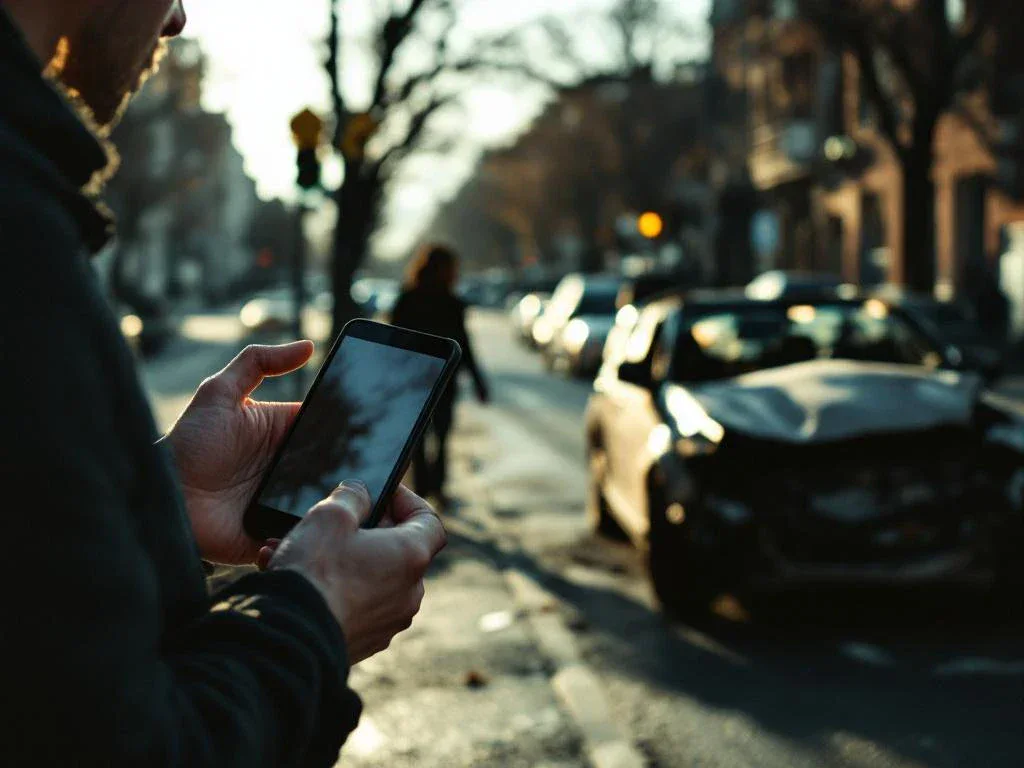
Finding witnesses after being hit by a car involves acting quickly at the scene to identify bystanders, nearby business employees, and other road users who saw the incident. Car accident witnesses provide crucial testimony that strengthens your claim by offering objective accounts of what happened. If you miss witnesses initially, you can return to the location, check with local businesses, and use social media to locate people who may have observed the collision.
Why are witnesses so important after a car accident?
Witnesses provide independent, objective accounts of how your car accident occurred, which significantly strengthens your injury claim. Unlike the parties involved, witnesses have no financial interest in the outcome and can offer unbiased testimony about fault and liability.
Witness statements help establish exactly what happened during the collision, especially when the other driver disputes your version of events. They can confirm crucial details such as traffic light colours, vehicle speeds, weather conditions, and driver behaviour that you might not have noticed in the immediate aftermath of the accident.
Insurance companies place considerable weight on witness testimony when determining liability and calculating compensation. Independent witnesses can corroborate your account of the incident, making it much more difficult for insurers to deny or reduce your claim. Their statements often become pivotal evidence if your case proceeds to court.
What should you do immediately to identify potential witnesses?
Scan the immediate area for bystanders, pedestrians, and other drivers who may have observed the collision. Look for people on pavements, at bus stops, outside shops, or in nearby vehicles who might have witnessed the incident unfold.
Check with employees from nearby businesses such as shops, restaurants, petrol stations, or offices. Staff members often step outside when they hear a collision and may have seen what happened. They are also likely to remain at their workplace, making them easier to contact later if needed.
Essential immediate actions include:
- Identifying passengers in other vehicles involved in the accident
- Speaking to cyclists or motorcyclists who may have been nearby
- Noting people waiting at traffic lights or pedestrian crossings
- Looking for delivery drivers or postal workers in the area
- Checking whether anyone is recording the scene with their mobile phone
Time is critical because witnesses often leave quickly after an accident, particularly if they are not directly involved. The sooner you identify and approach potential witnesses, the more likely you are to secure their contact details and statements.
How do you approach and talk to witnesses after an accident?
Approach potential witnesses calmly and politely, introducing yourself and explaining that you were involved in the accident. Even if you are shaken or injured, maintain a respectful demeanour, as witnesses are under no obligation to help and may leave if they feel uncomfortable.
Begin by asking whether they saw what happened, then listen carefully to their account without interrupting or correcting them. Ask open-ended questions such as “What did you see?” or “Can you describe what you observed?” rather than leading questions that might influence their responses.
Key conversation guidelines:
- Remain calm and professional despite being upset or injured
- Thank them for their time and willingness to help
- Avoid discussing fault or blame during the conversation
- Do not argue if their account differs from your recollection
- Respect their decision if they prefer not to get involved
If witnesses seem hesitant, reassure them that providing a statement is straightforward and that their information could be crucial for establishing what happened. Some people worry about being called to court, so explain that most cases are resolved without requiring witness testimony in formal proceedings.
What information should you collect from witnesses?
Gather complete contact details, including full names, mobile phone numbers, home addresses, and email addresses if possible. This comprehensive information ensures you can reach them later when preparing your claim or if additional questions arise.
Record their detailed account of what they observed, including their exact location when the accident occurred, what they saw happen, and any relevant details about vehicle movements, traffic conditions, or driver behaviour. Ask whether they noticed anything unusual before the collision occurred.
| Essential Information | Additional Details |
|---|---|
| Full name and contact details | Relationship to the area (resident, employee, visitor) |
| Detailed statement of what they saw | Weather and lighting conditions observed |
| Their location during the incident | Any photos or videos they took |
| Time they witnessed the accident | Other witnesses they may have spoken to |
Ask whether they took any photographs or videos of the scene, the vehicles, or the aftermath. Many people instinctively record accident scenes with their mobile phones, and this footage can provide valuable evidence. If they are willing to share these images, exchange contact details so they can send them to you later.
How can you find witnesses if you missed them at the scene?
Return to the accident location at the same time and on the same day of the week when the incident occurred. Many witnesses follow regular routines and may be in the same area again, such as commuters, dog walkers, or people travelling to work.
Visit nearby businesses and speak to managers or staff members who might have witnessed the accident or know employees who did. Many shops, restaurants, and offices have security cameras that may have captured the incident, and staff can often identify colleagues who were working when the accident happened.
Consider posting on local community social media groups, neighbourhood apps, or community notice boards. Include the date, time, and location of the accident, asking whether anyone witnessed the incident or knows someone who did. Be sure to include your contact details and mention that you are seeking witnesses for an insurance claim.
Professional legal assistance can be invaluable for locating witnesses after the fact. Experienced legal professionals have access to investigative resources and techniques for tracking down potential witnesses that individuals cannot access independently. They can also handle the formal process of taking witness statements and ensuring they are properly documented for your claim.
Securing witness testimony significantly strengthens your position when claiming compensation after a car accident. Whether you identify witnesses immediately or locate them later, their independent accounts provide crucial evidence that supports your version of events and helps establish liability. If you are struggling to gather sufficient evidence for your claim, consider using our damages calculator to understand the potential value of your case and explore professional legal support to maximise your compensation.
Frequently Asked Questions
What should I do if witnesses are reluctant to provide their contact details?
Respect their concerns and explain that most cases settle without requiring court testimony. Offer to have them speak with your solicitor directly, or ask if they would provide a brief written statement instead of full contact details. Sometimes witnesses feel more comfortable knowing exactly how their information will be used.
How long after an accident can I still locate and use witness testimony?
While witness memories fade over time, you can still locate and use witnesses months after an accident if necessary. However, their statements become less reliable as time passes, so it’s crucial to find them as soon as possible after the incident for the strongest evidence.
What happens if witness statements contradict each other or my version of events?
Conflicting witness accounts are common and don’t necessarily weaken your case. Insurance adjusters and courts understand that people observe events differently. Your solicitor will evaluate all statements and use the most credible and consistent testimony to support your claim effectively.
Can I use CCTV footage from nearby businesses instead of witness statements?
CCTV footage is excellent evidence but works best when combined with witness testimony. Security cameras may not capture all angles or details, and footage quality can vary. Witnesses can provide context about what happened before and after the collision that cameras might miss.
Should I take a written statement from witnesses at the scene or just collect their contact details?
Collect contact details first, then ask for a brief account of what they saw while their memory is fresh. You can record their statement on your phone or write down key points, but avoid lengthy formal statements at the chaotic accident scene.
Would you like to share this article?

