 NL
NL ES
ES PL
PL TR
TR


 By:
By: 
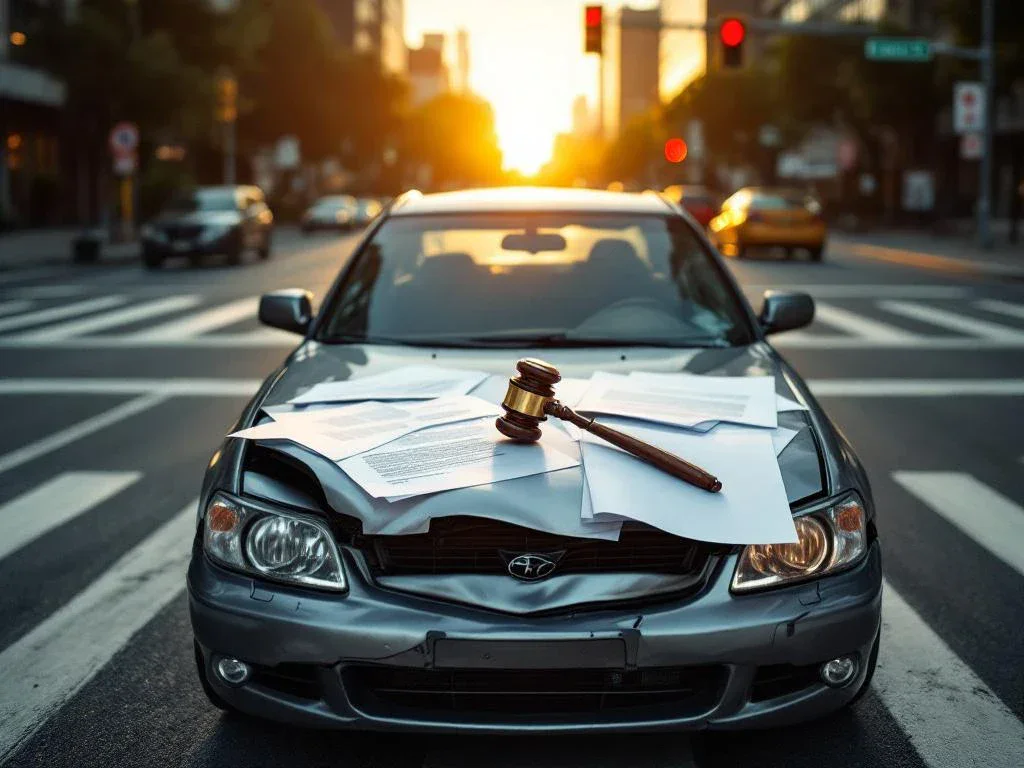
Claiming damages after a car accident depends significantly on where the collision occurred. Intersection accidents involve complex right-of-way rules and multiple potential parties, while highway accidents typically have clearer liability patterns. The location affects evidence collection, fault determination, and claim processing time. Understanding these differences helps you prepare the right documentation and set realistic expectations for your compensation claim.
What makes intersection accidents different from highway accidents when claiming damages?
Intersection accidents involve multiple traffic flows and complex right-of-way rules that make fault determination more challenging than highway collisions. Unlike highways, where traffic moves in predictable directions, intersections create conflict points where vehicles, cyclists, and pedestrians cross paths under varying traffic control conditions.
The liability patterns differ significantly between these locations. Highway accidents often involve rear-end collisions, lane changes, or merging incidents with relatively straightforward fault assignment. Intersection accidents frequently involve disputed right-of-way, traffic signal timing issues, and multiple contributing factors that complicate responsibility determination.
Compensation potential varies because intersection accidents typically involve more severe injuries due to side-impact collisions and multiple-vehicle scenarios. The claims process becomes more complex when several parties share responsibility, requiring detailed investigation of traffic controls, sight lines, and driver actions leading to the collision.
Insurance companies approach these claims differently, often requiring more extensive investigation for intersection accidents. This affects settlement timelines and may influence the compensation amount, particularly when comparative fault applies to multiple parties involved in the collision.
How does fault determination work differently at intersections versus highways?
Fault determination at intersections requires analyzing traffic signals, signs, and right-of-way rules, while highway accidents focus primarily on following distance, lane positioning, and merging procedures. Intersection liability involves examining who had the legal right to proceed through the conflict zone at the time of the collision.
Traffic rules specific to intersections include right-of-way principles for turning movements, pedestrian crossings, and signal compliance. Investigators examine traffic light cycles, stop sign positioning, and yield requirements that do not apply to highway scenarios. These factors create multiple variables that can affect fault assignment.
Highway fault determination centers on maintaining safe following distances, proper lane changes, and merging procedures. The evidence collection focuses on vehicle positions, skid marks, and impact patterns that typically provide clearer indicators of driver responsibility compared to intersection scenarios.
Evidence collection strategies differ because intersection accidents require documentation of traffic control devices, sight line obstructions, and the timing of signal changes. Highway accidents emphasize vehicle speeds, braking distances, and lane positioning that are easier to measure and verify through physical evidence.
| Accident Location | Primary Fault Factors | Evidence Focus |
|---|---|---|
| Intersection | Right-of-way, signal compliance, turning rules | Traffic controls, signal timing, sight lines |
| Highway | Following distance, lane changes, merging | Vehicle positions, speeds, braking patterns |
What types of evidence do you need for intersection claims compared to highway claims?
Intersection claims require traffic signal documentation, intersection layout diagrams, and witness statements about signal timing, while highway claims focus on vehicle damage patterns, skid marks, and speed calculations. The evidence collection strategy must match the specific factors that contribute to each type of accident.
For intersection accidents, essential evidence includes photographs of all traffic control devices, signal timing records from local authorities, and documentation of sight line obstructions. Traffic camera footage becomes particularly valuable, as it can show signal phases and vehicle movements leading to the collision.
Highway accident evidence centers on vehicle positioning, damage patterns that indicate impact angles and speeds, and road surface conditions. Police reports typically provide more straightforward fault determination for highway accidents because the contributing factors are easier to measure and document.
Witness statements serve different purposes depending on the accident location. Intersection witnesses can provide crucial information about signal compliance and right-of-way violations, while highway witnesses typically describe vehicle behavior such as sudden lane changes or following too closely.
- Intersection evidence: Traffic signal records, intersection diagrams, pedestrian signal timing
- Highway evidence: Skid mark measurements, vehicle rest positions, speed calculations
- Both locations: Police reports, vehicle damage photos, medical documentation
- Weather and road conditions affecting visibility or vehicle control
Why do intersection accident claims often take longer than highway accident claims?
Intersection accident claims typically take longer because they involve multiple parties, disputed right-of-way issues, and complex traffic signal analysis that highway accidents do not require. The investigation process becomes more extensive when fault determination depends on interpreting traffic control compliance and timing.
Multiple-party involvement creates coordination challenges between different insurance companies, each investigating their insured’s potential liability. This process requires more time than highway accidents, where fault often lies clearly with one driver for actions such as rear-ending or improper lane changes.
Traffic signal analysis adds significant time to intersection claims, as investigators must obtain signal timing records, examine maintenance logs, and sometimes reconstruct the signal sequence at the time of the accident. This technical analysis is not required for most highway accident claims.
Comparative fault assessments become more complex at intersections, where multiple drivers may share responsibility for the collision. Insurance companies spend more time negotiating liability percentages when several parties contributed to the accident, unlike highway scenarios with clearer fault determination.
The documentation requirements for intersection claims involve coordinating with traffic authorities, obtaining technical records, and conducting more detailed scene analysis. These additional steps naturally extend the claim processing timeline compared to straightforward highway accident scenarios.
Whether your accident occurred at an intersection or on a highway, seeking legal assistance helps ensure you collect the right evidence and navigate the claims process effectively. Professional guidance becomes particularly valuable for intersection accidents, where the complexity can significantly impact your compensation. Use our damages calculator to estimate your potential claim value and understand what compensation you might be entitled to receive.
Frequently Asked Questions
What should I do immediately after an intersection accident to protect my claim?
Document all traffic signals, stop signs, and their current status with photos, even if they’re working properly. Get contact information from witnesses who saw the signal timing and traffic flow. Call police regardless of damage severity, as intersection accidents require official documentation of traffic control compliance for successful claims.
How long does it typically take to resolve an intersection accident claim compared to a highway accident?
Intersection accident claims usually take 3-6 months longer than highway accidents due to traffic signal analysis and multiple-party coordination. Highway claims often resolve in 2-4 months, while intersection claims can take 6-12 months when extensive investigation of right-of-way violations and signal timing is required.
What happens if the traffic light was malfunctioning during my intersection accident?
Malfunctioning traffic signals create shared liability scenarios where all drivers must treat the intersection as a four-way stop. Your claim becomes more complex as fault determination shifts to right-of-way rules rather than signal compliance. Document the malfunction immediately and request maintenance records from local traffic authorities.
Why might my compensation be different for an intersection accident versus a highway accident?
Intersection accidents often result in higher compensation due to more severe side-impact injuries and complex liability scenarios. However, shared fault at intersections can reduce your final settlement through comparative negligence rules, while highway accidents with clear fault typically result in full compensation from the at-fault driver’s insurance.
How do insurance companies investigate intersection accidents differently than highway accidents?
Insurance companies hire traffic reconstruction experts for intersection claims to analyze signal timing, sight lines, and right-of-way compliance. They request traffic camera footage, signal maintenance records, and detailed witness statements about driver behavior. Highway investigations focus mainly on vehicle damage patterns and basic traffic violations.
Would you like to share this article?

