 NL
NL ES
ES PL
PL TR
TR


 By:
By: 
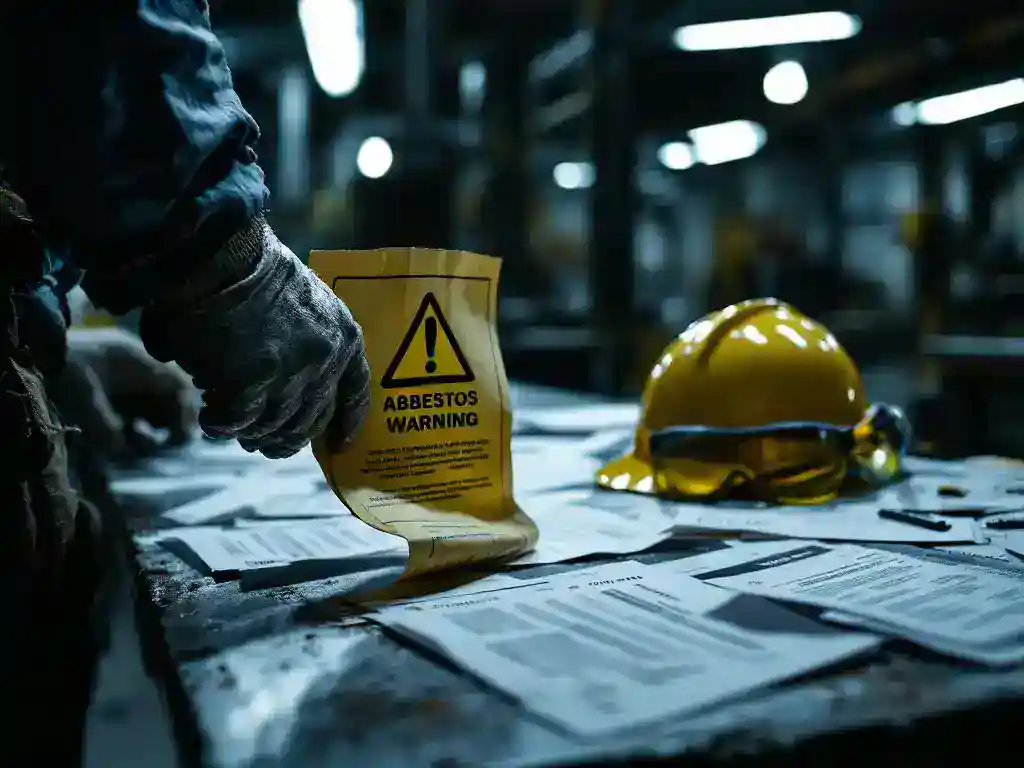
Liability in workplace accidents involving asbestos operates under complex legal frameworks that differ significantly from standard occupational injuries. Multiple parties may bear responsibility, including employers, building owners, contractors, and manufacturers. The unique nature of asbestos exposure, with its long latency periods and serious health consequences, requires specialised legal approaches to establish liability and secure appropriate compensation for affected workers.
What makes asbestos workplace accidents different from other workplace injuries?
Asbestos workplace accidents are fundamentally different because they involve long-term health effects that may not manifest for decades after exposure. Unlike typical workplace injuries that cause immediate harm, asbestos-related illnesses such as mesothelioma, lung cancer, and asbestosis can take 20–50 years to develop. This extended latency period creates unique challenges in establishing when and where exposure occurred.
The distinction between immediate injury and long-term health effects means that standard workplace accident procedures often do not apply to asbestos cases. Workers may have been exposed at multiple job sites throughout their careers, making it difficult to pinpoint the specific source of their illness. Additionally, the severity of asbestos-related diseases often results in life-threatening conditions rather than temporary injuries.
Another key difference lies in the number of potentially liable parties. While typical workplace accidents usually involve employer liability, asbestos cases may include:
- Building owners who failed to maintain asbestos-containing materials safely
- Multiple contractors and subcontractors working on the same site
- Manufacturers of asbestos-containing products
- Safety equipment suppliers who provided inadequate protection
The complexity of proving causation in asbestos cases also sets them apart. Medical experts must establish clear links between workplace exposure and the resulting illness, often requiring extensive documentation and specialist testimony that goes far beyond typical workplace injury claims.
Who is legally responsible when workers are exposed to asbestos at work?
Employer responsibility forms the primary tier of liability under occupational safety laws. Employers have a legal duty to provide a safe working environment, which includes identifying asbestos hazards, implementing proper safety protocols, and providing appropriate protective equipment. When employers fail to meet these obligations, they become liable for the resulting health consequences.
Building owners carry significant responsibility for asbestos-containing materials within their properties. They must conduct proper asbestos surveys, maintain safe conditions, and inform contractors and workers about known asbestos hazards. Property owners who neglect these duties face liability for exposures that occur on their premises.
The liability hierarchy extends to contractors and subcontractors, who may share responsibility depending on their role in the workplace accident. Primary contractors often bear liability for overall site safety, while subcontractors may be responsible for their specific work areas and employee protection. The degree of responsibility depends on contractual arrangements and actual control over safety measures.
| Liable Party | Primary Responsibility | Typical Liability Scope |
|---|---|---|
| Employer | Worker safety and protection | Training, equipment, safety protocols |
| Building Owner | Property condition and hazard disclosure | Asbestos surveys, maintenance, warnings |
| Contractor | Site safety management | Overall safety coordination |
| Manufacturer | Product safety and warnings | Adequate labelling and instructions |
Manufacturer liability applies to companies that produced asbestos-containing products without adequate warnings or safety information. These manufacturers may face liability even decades after their products caused exposure, particularly if they knew or should have known about the health risks associated with their products.
Joint liability scenarios often occur in asbestos cases, where multiple parties share responsibility for the same exposure incident. Courts determine the percentage of fault for each party based on their level of control, knowledge of hazards, and failure to implement proper safety measures.
How do you prove liability in an asbestos workplace accident case?
Proving liability requires comprehensive medical documentation that establishes a clear link between workplace asbestos exposure and the resulting illness. Medical experts must provide detailed reports showing how the specific disease relates to occupational exposure rather than other potential causes. This medical evidence forms the foundation of any successful asbestos liability claim.
Workplace exposure records become crucial evidence in establishing when, where, and how exposure occurred. These records may include employment histories, job site documentation, safety inspection reports, and witness statements from colleagues who worked in similar conditions. The challenge lies in gathering records that may be decades old or held by companies that no longer exist.
Safety protocol violations must be documented to demonstrate negligence by responsible parties. This evidence includes:
- Failure to conduct proper asbestos surveys before work began
- Inadequate or missing personal protective equipment
- Lack of proper training on asbestos hazards
- Violations of established safety regulations and procedures
- Failure to implement proper containment and removal procedures
Witness testimony from former colleagues, supervisors, and safety personnel provides essential support for exposure claims. These witnesses can describe working conditions, safety practices, and the presence of asbestos-containing materials at specific job sites during relevant time periods.
Expert medical opinions are required to establish causation between exposure and illness. Qualified medical professionals must explain how the pattern and timing of exposure could have caused the specific asbestos-related disease, often requiring detailed analysis of exposure levels and disease progression.
The burden of proof in asbestos cases requires demonstrating that exposure occurred, that it was substantial enough to cause disease, and that responsible parties failed in their duty of care. Documentation challenges specific to asbestos cases include the long time periods involved and the potential for incomplete or destroyed records.
What compensation can you claim for workplace asbestos exposure?
Compensation for workplace asbestos exposure encompasses comprehensive damages that reflect both the immediate and long-term consequences of the illness. Medical expenses form a substantial component, including costs for diagnosis, treatment, ongoing care, medications, and specialist consultations. Given the serious nature of asbestos-related diseases, these medical costs can be extensive and continue throughout the patient’s lifetime.
Compensation for lost wages covers both past and future income loss resulting from the illness. This includes salary lost during treatment periods, reduced earning capacity due to health limitations, and complete loss of income for those unable to continue working. Calculations consider the worker’s age, career prospects, and expected remaining working years.
Pain and suffering damages acknowledge the physical discomfort, emotional distress, and reduced quality of life caused by asbestos-related illnesses. These non-economic damages recognise the significant impact these serious diseases have on patients and their families, including anxiety, depression, and loss of enjoyment of life.
Long-term care costs become particularly important in asbestos cases due to the progressive nature of many asbestos-related diseases. Compensation may cover home nursing care, assisted living facilities, medical equipment, and modifications to living spaces to accommodate health needs.
Survivor benefits provide compensation to family members when asbestos exposure results in death. These benefits typically include funeral expenses, loss of financial support, and compensation for the emotional impact on surviving family members.
Compensation calculation factors include the severity of the illness, age at diagnosis, family circumstances, and degree of negligence by responsible parties. Insurance coverage may come from multiple sources, including employer liability insurance, product liability policies, and specialised asbestos trust funds established by bankrupt manufacturers.
The differences between workers’ compensation and personal injury claims for asbestos exposure can significantly impact the compensation available. Workers’ compensation typically provides limited benefits but with easier qualification requirements, while personal injury claims may offer higher compensation but require proving negligence by responsible parties.
Understanding your rights after asbestos exposure requires specialist legal knowledge due to the complex nature of these cases. Professional legal guidance helps you navigate the various compensation options, identify all potentially liable parties, and ensure that you receive the maximum compensation available. For expert assistance with workplace asbestos exposure claims, calculating your potential compensation and pursuing your case, contact our specialist team for a free consultation to discuss your specific circumstances and legal options.
Frequently Asked Questions
How long do I have to file a claim after discovering an asbestos-related illness?
The statute of limitations for asbestos claims typically begins when you discover or should have discovered your illness, not when exposure occurred. Most jurisdictions allow 2-3 years from diagnosis, but this varies by location and type of claim. It’s crucial to consult with a specialist lawyer immediately after diagnosis to ensure you don’t miss critical deadlines.
What if I was exposed to asbestos at multiple workplaces throughout my career?
Multiple workplace exposures are common in asbestos cases and don’t prevent you from seeking compensation. Each employer and property owner where significant exposure occurred may bear partial liability. Your legal team will investigate all exposure sites and pursue claims against all responsible parties to maximize your compensation.
Can I still claim compensation if the company where I was exposed no longer exists?
Yes, you may still be eligible for compensation even if the employer has closed or gone bankrupt. Many asbestos manufacturers have established trust funds specifically for victim compensation, and insurance policies may still provide coverage. Alternative sources include successor companies, insurance carriers, and government compensation schemes.
What evidence do I need to gather to support my asbestos exposure claim?
Essential evidence includes medical records confirming your diagnosis, employment records showing where and when you worked, witness statements from former colleagues, and safety documentation from your workplaces. Start gathering this evidence immediately, as older records may be difficult to obtain and witnesses may become harder to locate over time.
How do asbestos trust funds work and how do I access them?
Asbestos trust funds were established by bankrupt asbestos manufacturers to compensate victims. Each trust has specific eligibility criteria and payment percentages based on the severity of illness and exposure evidence. An experienced asbestos lawyer can identify relevant trusts, prepare applications, and ensure you receive maximum compensation from all applicable funds.
Would you like to share this article?

