 NL
NL ES
ES PL
PL TR
TR


 By:
By: 
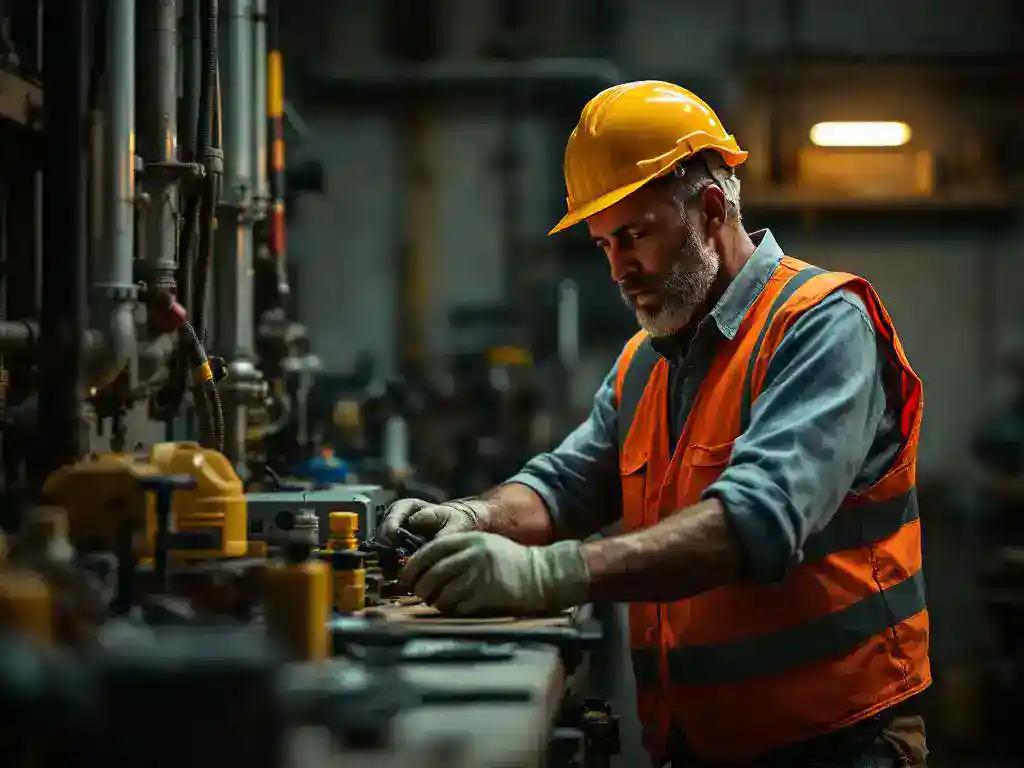
Yes, men do experience workplace accidents significantly more often than women. Research consistently shows that men account for approximately 70–80% of all workplace injuries and fatalities across most developed countries. This disparity stems from various factors, including industry distribution, job roles, risk-taking behaviours, and occupational hazard exposure patterns that affect male and female workers differently.
What does the data reveal about workplace accident rates between men and women?
Statistical data consistently demonstrates that men experience workplace accidents at rates two to three times higher than women across most industries and countries. Men represent the majority of workplace fatalities, with rates often exceeding 90% in certain high-risk sectors. These patterns remain consistent across different age groups and experience levels.
The gender gap becomes particularly pronounced when examining specific types of workplace accidents. Men are more likely to experience severe injuries involving machinery, falls from height, and exposure to hazardous substances. Women, while experiencing fewer overall accidents, tend to have higher rates of repetitive strain injuries and workplace violence incidents in certain sectors.
Industry-specific data reveals notable variations in these patterns. Construction, manufacturing, and transportation show the largest gender disparities, while healthcare and office environments demonstrate smaller but still significant differences. The timing of accidents also differs, with men experiencing more incidents during overtime hours and high-pressure periods.
Key contributing factors to these statistical differences include:
- Occupational segregation placing men in higher-risk roles
- Physical job requirements and machinery operation
- Different approaches to safety protocol adherence
- Varying levels of hazard exposure across job types
Why do men experience more workplace accidents than women?
Men experience more workplace accidents primarily due to occupational segregation, with higher representation in physically demanding and hazardous industries. Risk-taking behaviours, workplace culture differences, and varying safety protocol adherence also contribute significantly to this disparity. These factors combine to create environments where male workers face a greater likelihood of accidents.
Job role distribution plays a crucial part in accident rates. Men are more likely to work in construction, manufacturing, mining, and transportation sectors where heavy machinery, dangerous equipment, and hazardous materials are commonplace. These industries inherently carry higher accident risks regardless of individual behaviour or safety measures.
Workplace safety culture often differs between male- and female-dominated environments. Traditional masculine workplace cultures may discourage reporting minor injuries or near misses, leading to the escalation of preventable accidents. Time pressures and productivity expectations can also influence safety decision-making differently across gender lines.
| Risk Factor | Impact on Men | Impact on Women |
|---|---|---|
| Physical hazard exposure | Higher frequency | Lower frequency |
| Safety training participation | Variable compliance | Generally higher compliance |
| Incident reporting | Often underreported | More consistently reported |
Which industries show the biggest gender gaps in workplace safety?
Construction, manufacturing, mining, and transportation demonstrate the largest gender gaps in workplace safety, with men experiencing accident rates five to ten times higher than women. These sectors combine high physical demands, dangerous equipment operation, and significant hazard exposure that disproportionately affect male workers, who comprise the majority of the workforce.
Construction consistently ranks as the industry with the most pronounced gender safety gap. Male construction workers face risks from falls, equipment accidents, and structural collapses that result in both high injury rates and severe outcomes. The physical nature of construction work and traditional gender roles contribute to this disparity.
Manufacturing environments show significant variations depending on the specific sector. Heavy manufacturing, metalworking, and chemical production demonstrate large gender gaps, while food processing and textile manufacturing show smaller differences. Machinery operation and exposure to industrial processes drive these patterns.
Interestingly, some industries show reversed or minimal gender gaps. Healthcare environments often see higher injury rates among female workers due to patient handling and workplace violence exposure. Office environments demonstrate the smallest gender differences, though men still experience slightly higher accident rates overall.
Industries with the largest gender safety gaps:
- Construction and building trades
- Mining and extraction operations
- Manufacturing and heavy industry
- Transportation and logistics
- Agriculture and forestry
How can employers reduce workplace accidents for all employees regardless of gender?
Employers can reduce workplace accidents through comprehensive safety programmes that address gender-specific risk factors while maintaining inclusive approaches. Effective strategies include tailored training protocols, improved safety culture development, regular hazard assessments, and equipment design considerations that accommodate diverse workforce needs. Success requires addressing both universal safety principles and gender-specific challenges.
Creating inclusive safety training programmes helps address different learning styles and risk perceptions. Men may benefit from peer-led safety discussions and practical demonstrations, while women might prefer detailed written protocols and collaborative problem-solving approaches. Combining multiple training methods ensures all employees receive effective safety education.
Equipment design and workplace ergonomics play crucial roles in accident prevention. Ensuring machinery, tools, and safety equipment accommodate different body sizes and strength levels reduces injury risk for all workers. This includes adjustable workstations, appropriately sized personal protective equipment, and accessible safety controls.
Developing a positive safety culture requires addressing gender-specific barriers to safety compliance. This might involve challenging traditional workplace attitudes that discourage incident reporting or the expression of safety concerns. Leadership commitment and consistent reinforcement of safety messages help create environments where all employees prioritise safety.
Regular workplace hazard assessments should consider how different groups might be affected by various risks. This comprehensive approach identifies potential safety issues before they result in accidents and ensures protective measures address the needs of all employees effectively.
Understanding workplace accident patterns helps create safer environments for everyone. Whether you have experienced a workplace injury or want to understand your rights regarding workplace safety, professional legal guidance ensures you receive appropriate support and compensation. For expert assistance with workplace accident claims, contact us for a free consultation, or use our tool to calculate potential compensation for your workplace injury.
Frequently Asked Questions
What steps should I take immediately after experiencing a workplace accident?
First, seek immediate medical attention even for seemingly minor injuries, as some symptoms may develop later. Report the incident to your supervisor or HR department as soon as possible, and document everything including photos of the accident scene, witness information, and detailed notes about what happened. This documentation will be crucial for any potential compensation claims.
How can I prove that my workplace accident was caused by employer negligence?
To prove employer negligence, you need to demonstrate that your employer failed to provide a safe working environment or adequate safety measures. Key evidence includes safety training records, maintenance logs for equipment, witness statements, and documentation of any previous safety complaints or incidents. A workplace accident lawyer can help gather and present this evidence effectively.
What compensation am I entitled to after a workplace accident?
Compensation typically covers medical expenses, lost wages, rehabilitation costs, and pain and suffering damages. The amount depends on the severity of your injuries, impact on your earning capacity, and degree of employer negligence. Some cases may also include compensation for permanent disability or reduced quality of life.
How long do I have to file a workplace accident claim?
Time limits for filing workplace accident claims vary by jurisdiction, but generally range from one to three years from the date of the accident or when you became aware of the injury. It’s crucial to start the legal process as early as possible to preserve evidence and witness testimony, so contact a lawyer promptly after your accident.
Can I be fired for reporting a workplace accident or filing a claim?
No, employers are legally prohibited from retaliating against employees who report workplace accidents or file injury claims. This includes termination, demotion, reduced hours, or other forms of punishment. If you experience retaliation, you may have additional legal grounds for compensation beyond your original workplace accident claim.
Would you like to share this article?

