 NL
NL ES
ES PL
PL TR
TR


 By:
By: 
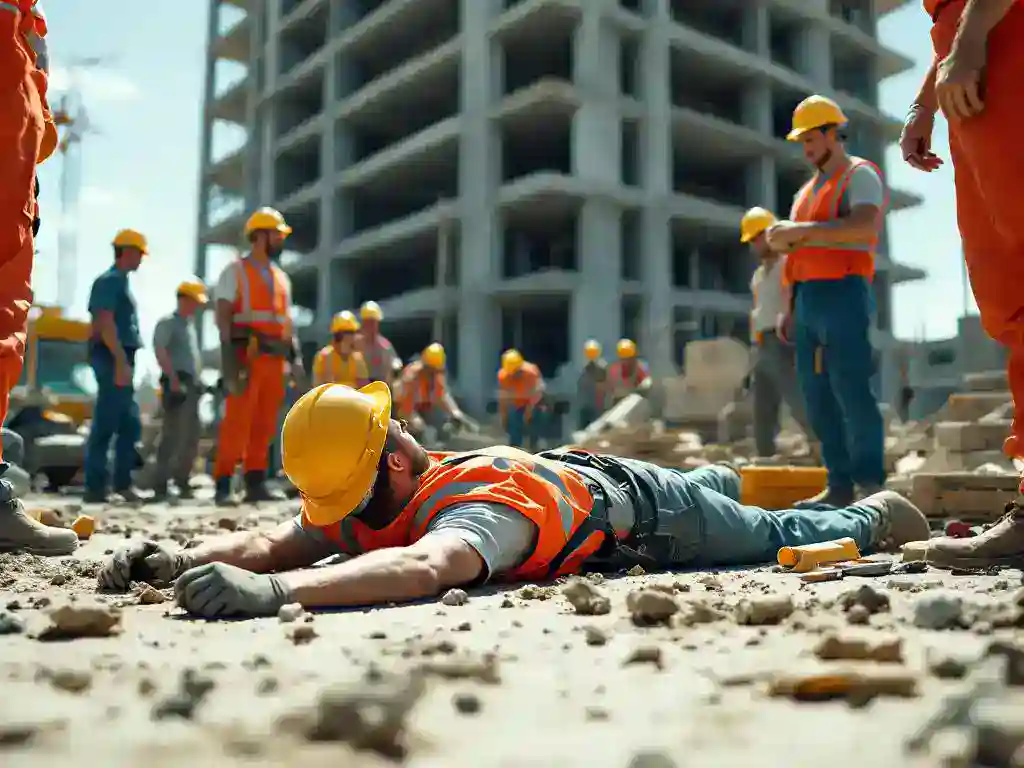
When multiple contractors work on the same construction site, determining responsibility for a workplace accident involves examining contractual relationships, safety obligations, and supervisory duties. The main contractor typically bears primary responsibility, but subcontractors, property owners, and equipment suppliers may also share liability depending on their roles and any negligence involved. The legal framework establishes a chain of responsibility that runs through the contractor hierarchy, with liability determined by the specific circumstances and available evidence.
What determines liability when multiple contractors work on the same construction site?
Liability on multi-contractor construction sites is primarily determined by contractual agreements, statutory safety obligations, and the specific circumstances of the workplace accident. The main contractor usually holds overall responsibility for coordinating site safety, while subcontractors remain liable for their specific work areas and employees.
The legal framework creates overlapping responsibilities rather than exclusive zones of liability. Main contractors must ensure that proper safety protocols are established and followed across the entire site, including coordination between different contractors. They are required to maintain overall site safety management, provide adequate safety briefings, and ensure that all parties comply with health and safety regulations.
Contractual agreements between parties significantly influence how liability is allocated. These contracts typically outline specific safety responsibilities, insurance requirements, and indemnification clauses. However, contractual terms cannot override statutory safety duties imposed by health and safety legislation.
Property owners also bear certain responsibilities, particularly regarding site conditions, access routes, and structural safety. Their liability often extends to ensuring that the site is suitable for the intended work and that all necessary permits and safety clearances have been obtained.
Who can be held responsible for workplace accidents involving subcontractors?
Multiple parties can be held responsible for workplace accidents involving subcontractors, including main contractors, the subcontractors themselves, property owners, equipment suppliers, and safety consultants. Courts determine liability by examining each party’s specific duties and whether they fulfilled their obligations.
Main contractors typically face the broadest liability exposure, as they coordinate overall site operations. Their responsibilities include ensuring that subcontractors are competent, properly trained, and following safety procedures. They must also maintain safe working conditions and provide adequate supervision across all work areas.
| Responsible Party | Primary Obligations | Typical Liability Scope |
|---|---|---|
| Main Contractor | Overall site safety coordination | Broad liability for site-wide safety failures |
| Subcontractor | Employee safety within their work area | Direct liability for their workers and operations |
| Property Owner | Site conditions and structural safety | Liability for site-related hazards |
| Equipment Supplier | Equipment safety and maintenance | Product liability for defective equipment |
Subcontractors retain direct responsibility for their employees’ safety and must ensure that their work methods comply with safety standards. They cannot simply defer all responsibility to the main contractor, particularly in relation to their specialised work activities and employee supervision.
Equipment suppliers and hire companies may face liability if accidents result from defective or improperly maintained equipment. Their responsibility extends to providing safe equipment, proper instructions, and necessary safety warnings.
How does the chain of responsibility work in construction site accidents?
The chain of responsibility flows hierarchically from property owners through main contractors to subcontractors, with each level maintaining specific duties that cannot be completely delegated. This creates multiple layers of accountability rather than a single point of responsibility.
At the top level, property owners must ensure that the site is suitable for construction work and that appropriate planning permissions and safety assessments have been completed. They retain responsibility for structural elements, access arrangements, and environmental hazards that predate construction activities.
Main contractors occupy the central position in the chain of responsibility. They must coordinate safety across all contractors, establish site-wide safety protocols, and ensure adequate communication between different parties. Their supervisory duties include regular safety inspections, incident reporting systems, and emergency response coordination.
Subcontractors cannot escape liability by pointing to main contractor oversight. They retain direct responsibility for their employees’ training, equipment maintenance, and compliance with safety procedures within their work areas. This includes conducting their own risk assessments and implementing appropriate control measures.
- Property owners ensure site suitability and structural safety
- Main contractors coordinate overall safety management and supervision
- Subcontractors maintain direct responsibility for their workers and operations
- All parties must comply with statutory health and safety requirements
- Contractual arrangements cannot override legal safety duties
The chain operates through both contractual relationships and statutory duties. Even where contracts attempt to transfer liability, courts will examine the actual control and influence each party had over the circumstances leading to the accident.
What evidence is needed to prove responsibility in multi-contractor workplace accidents?
Proving responsibility requires comprehensive documentation, including contracts, safety records, witness statements, training certificates, and site inspection reports. The evidence must demonstrate which parties had control over the specific hazard that caused the workplace accident and whether they fulfilled their safety obligations.
Contractual documentation forms the foundation of any liability investigation. This includes main contracts, subcontractor agreements, safety specifications, and insurance arrangements. These documents establish the formal responsibilities and expectations between the parties.
Safety records provide crucial evidence of each party’s approach to risk management. This includes method statements, risk assessments, safety briefings, inspection reports, and incident logs. The quality and implementation of these safety measures often determine liability outcomes.
Witness statements from workers, supervisors, and safety personnel help establish the actual working conditions and safety practices at the time of the accident. These testimonies can reveal gaps between documented procedures and what happened in practice on site.
Training records and competency certificates demonstrate whether workers received appropriate instruction and whether contractors fulfilled their training obligations. Inadequate training often indicates negligence by the responsible contractor.
Site inspection reports and photographs provide objective evidence of working conditions, the availability of safety equipment, and hazard management. These records help establish whether reasonable safety measures were in place and properly maintained.
Understanding liability in multi-contractor workplace accidents requires careful analysis of all parties’ roles and responsibilities. If you have been injured in a construction site accident involving multiple contractors, professional legal guidance can help identify all potentially responsible parties and calculate appropriate compensation. Our experienced legal team provides comprehensive support to workplace accident victims, ensuring that all liable parties are held accountable. Contact us for expert assistance with your construction site injury claim.
Frequently Asked Questions
What happens if a subcontractor doesn't have adequate insurance coverage for a workplace accident?
When a subcontractor lacks adequate insurance, the main contractor’s insurance typically becomes the primary source of compensation, though the uninsured subcontractor remains legally liable. The main contractor may then pursue recovery from the subcontractor through separate legal action to reclaim costs paid on their behalf.
How long do I have to file a claim after a construction site accident involving multiple contractors?
You typically have three years from the date of the accident or from when you first became aware that your injuries were work-related to file a claim. However, gathering evidence and identifying all responsible parties takes time, so it’s advisable to seek legal advice as soon as possible after the incident occurs.
What should I do immediately after a workplace accident on a multi-contractor site?
Report the accident to your immediate supervisor and ensure it’s recorded in the site accident book. Seek medical attention immediately, take photographs of the accident scene if possible, and collect contact details from any witnesses before they leave the site.
Can I claim compensation from multiple contractors for the same accident?
Yes, you can pursue claims against all parties who contributed to your accident, but you cannot receive duplicate compensation for the same losses. Courts will apportion liability between responsible parties, and your total compensation will reflect the full extent of your damages from all liable sources combined.
Would you like to share this article?

