 NL
NL ES
ES PL
PL TR
TR


 By:
By: 
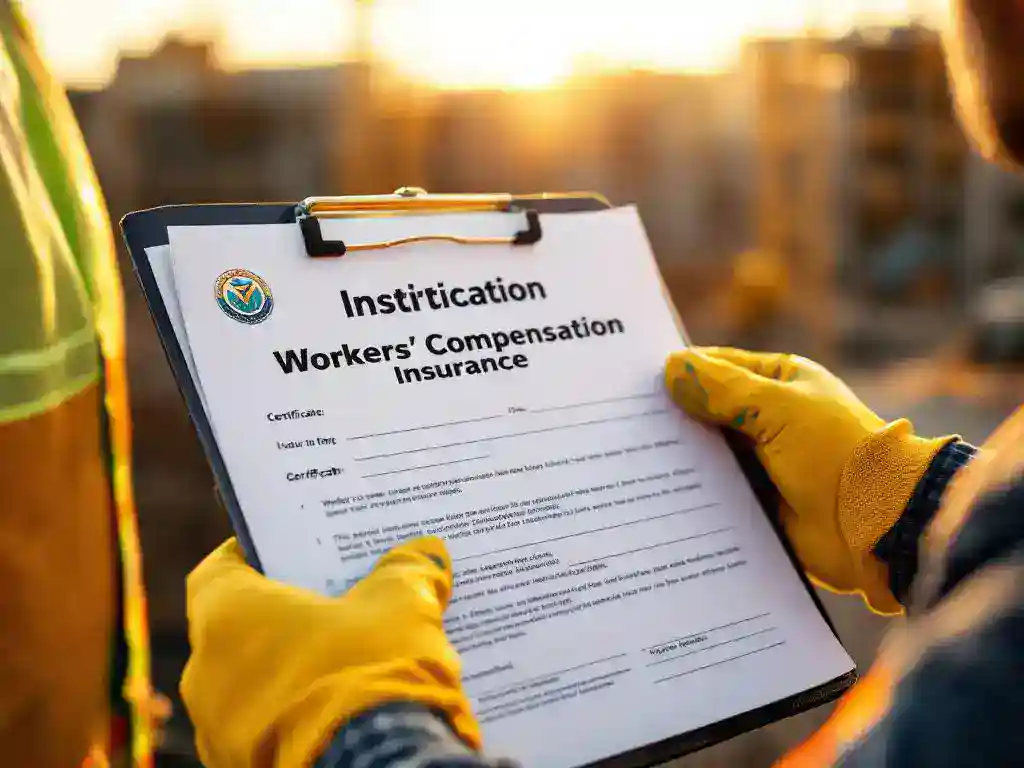
Yes, employers in the Netherlands must be insured against workplace accidents. All employers are legally required to have statutory liability coverage that protects both the company and employees when workplace accidents occur. This mandatory insurance ensures that injured workers receive proper compensation and medical care, while protecting employers from potentially devastating financial liability when accidents happen at work.
What insurance must employers have for workplace accidents?
Dutch employers must carry statutory liability insurance that covers workplace accident claims. This mandatory coverage protects employees who suffer injuries during work activities and ensures compensation for medical expenses, lost wages, and other damages.
The primary requirement is statutory liability insurance that meets minimum coverage standards set by Dutch law. This insurance activates when employees sustain injuries due to workplace conditions, equipment failures, or other work-related incidents. Many employers also choose additional coverage beyond the statutory minimum to provide enhanced protection.
Optional insurance additions include:
- Extended medical coverage for rehabilitation costs
- Higher compensation limits for severe injuries
- Coverage for psychological trauma following accidents
- Protection for temporary and contract workers
Employers should regularly review their coverage with insurance providers to ensure adequate protection levels. The insurance must remain active throughout business operations, with premiums typically based on industry risk levels and company size.
What happens if an employer doesn’t have proper workplace accident insurance?
Employers without adequate insurance face severe legal and financial consequences when workplace accidents occur. They become personally liable for all damages, medical costs, and compensation payments, which can reach substantial amounts for serious injuries.
Legal penalties include fines, potential criminal charges for negligence, and immediate orders to obtain proper coverage. The Dutch Labour Authority can shut down operations until compliance is achieved. Additionally, employers may face civil lawsuits from injured employees seeking full compensation.
Financial implications extend beyond immediate accident costs. Employers must pay:
- Emergency medical treatment expenses
- Ongoing rehabilitation and therapy costs
- Lost wage compensation during recovery
- Permanent disability payments, if applicable
- Legal fees and court costs
The situation becomes particularly complicated for injured employees, who may experience delays in receiving necessary medical care and compensation. They often require legal assistance to secure proper treatment and fair compensation when employers lack adequate insurance coverage.
How does employer insurance affect compensation for workplace injuries?
Employer insurance directly determines the speed and amount of compensation that injured workers receive. Proper insurance coverage ensures prompt payment of medical bills and wage replacement, while inadequate coverage can delay or reduce compensation significantly.
Insurance companies handle the claims process once a workplace accident is reported. They assess the injury, determine the scope of coverage, and coordinate with medical providers for treatment authorization. This system typically results in faster compensation compared to situations where employers must pay directly.
| Insurance Type | Coverage Speed | Compensation Limits |
|---|---|---|
| Statutory Minimum | Standard processing | Basic legal requirements |
| Enhanced Coverage | Priority handling | Higher compensation limits |
| No Insurance | Delayed payments | Depends on employer finances |
The insurance company’s role includes negotiating settlements, coordinating with legal representatives, and ensuring compliance with compensation requirements. Well-insured employers typically provide better outcomes for injured workers through established claims procedures and adequate financial backing.
What should employees know about their rights when injured at work?
Employees have fundamental rights to compensation and medical care regardless of their employer’s insurance situation. These rights include immediate medical treatment, wage replacement during recovery, and compensation for permanent injuries or disabilities resulting from workplace accidents.
Key employee rights include:
- Immediate access to necessary medical treatment
- Compensation for lost wages during recovery
- Protection from retaliation or dismissal
- The right to legal representation during claims
- Appeal rights if compensation is denied or inadequate
When employer insurance situations are unclear or problematic, employees should document their injuries thoroughly and seek professional legal guidance immediately. Taking photographs of the accident scene, obtaining witness statements, and keeping detailed medical records significantly strengthens compensation claims.
Employees never need to contact the opposing party’s insurance company directly, as this can complicate claims procedures. Instead, focusing on medical recovery while professional legal assistance handles insurance negotiations typically produces better outcomes.
Understanding these insurance requirements and employee rights ensures that workplace accidents receive proper handling and fair compensation. When questions arise about coverage adequacy or claim procedures, seeking professional guidance helps protect both employer and employee interests. For comprehensive assistance with workplace accident claims, calculating potential compensation and understanding your specific situation, professional legal support provides valuable clarity. We offer free consultations to help you understand your rights and options – contact us for expert guidance tailored to your circumstances.
Frequently Asked Questions
What should I do immediately after a workplace accident occurs?
Report the accident to your supervisor immediately and seek medical attention, even for minor injuries. Document the incident with photos, witness information, and detailed notes about what happened. This documentation becomes crucial for insurance claims and ensures you receive proper compensation for your injuries.
How long does it typically take to receive compensation through employer insurance?
With proper statutory liability insurance, initial medical expenses are usually covered within days, while wage replacement payments typically begin within 2-4 weeks. Enhanced insurance policies often provide faster processing, whereas uninsured employers may cause significant delays in compensation payments.
Can I choose my own doctor for workplace injury treatment?
Yes, you generally have the right to choose your treating physician for workplace injuries. However, insurance companies may have preferred provider networks that offer direct billing arrangements. Discuss your options with the insurance adjuster to understand coverage and payment procedures.
What if my employer pressures me not to report a workplace accident?
You have legal protection against retaliation for reporting workplace accidents. Document any pressure or threats from your employer and report the accident anyway. Contact a legal professional immediately, as failing to report accidents promptly can complicate your compensation claim.
How do I verify that my employer has adequate workplace accident insurance?
Ask your employer for proof of current statutory liability insurance coverage, which they are required to provide upon request. You can also contact the Dutch Labour Authority if you suspect non-compliance. Employees have the right to know their workplace protection status.
Would you like to share this article?

